
Thyrinteina
Thyrinteina
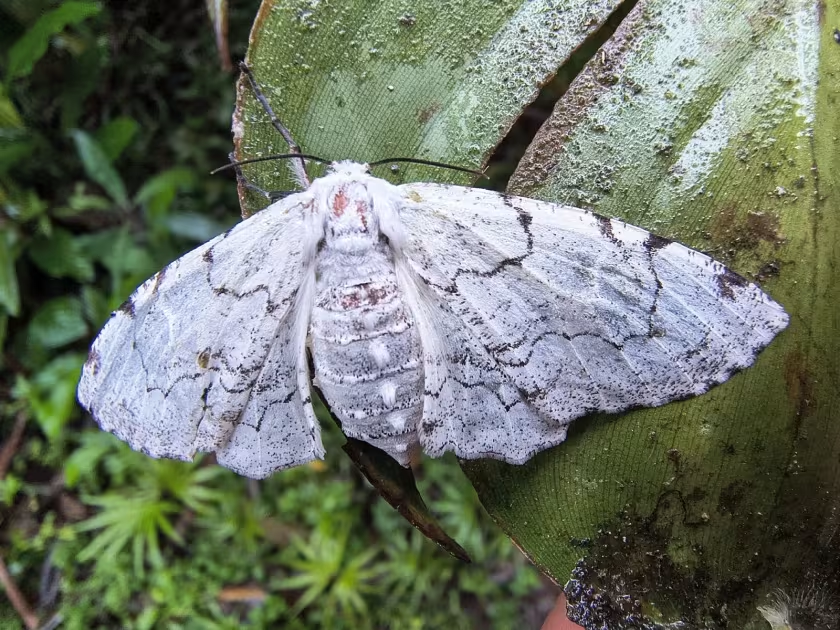
Description
How to identify
Thyrinteina is a genus of moths belonging to the Geometridae family. The most widely studied species is Thyrinteina arnobia, which causes significant economic damage to eucalyptus forestry in South America.
Adults are medium-sized nocturnal moths with cryptically colored wings, allowing them to remain well-hidden against tree bark during the daylight hours.
The larvae, or caterpillars, pass through several developmental stages known as instars, during which they may exhibit variations in color and size to avoid detection by predators.
As a specialized defoliator, the entire lifecycle of this moth is intricately linked to its ability to consume large volumes of foliage from its host plants.
Taxonomically, they are part of the order Lepidoptera, characterized by their specific feeding habits on woody plant tissues during the larval stage.
What it damages
The primary hosts for Thyrinteina are species of the genus Eucalyptus, which are extensively grown for timber and pulp production in industrial plantations.
While eucalyptus is the preferred host, larvae can adapt to other plant species growing in close proximity, demonstrating high ecological plasticity.
Early-stage larvae typically feed on the margins of the leaves, while older instars are capable of consuming entire leaves, leaving behind only the tougher midribs.
Large-scale infestations often lead to complete defoliation across vast plantation areas within a short timeframe, severely impacting the health and productivity of the trees.
Persistent defoliation slows tree growth, reduces wood quality, and can make the forest stands susceptible to secondary infections and opportunistic wood-boring pests.
When it appears
The developmental cycle of Thyrinteina is heavily influenced by environmental variables, particularly ambient temperature and relative humidity levels.
In tropical and subtropical regions, the pest can complete multiple generations within a single year, which makes control efforts particularly challenging for forest managers.
Peak larval activity generally coincides with the active vegetative growth phase of eucalyptus trees, providing the caterpillars with abundant high-quality nutrition.
Unfavorable weather conditions, including extreme rainfall or prolonged dry spells, may cause fluctuations in larval survival rates and population density.
Precise monitoring of seasonal population trends is essential for effective integrated pest management (IPM) to time intervention measures accurately.
Signs of infestation
The earliest signs of infestation are specific notch-like patterns on the leaf edges, which progress to skeletonized foliage as the larval population matures.
The accumulation of frass (caterpillar excrement) on the forest floor beneath the tree canopy is a clear indicator of active feeding in the upper branches.
Direct sightings of caterpillars during visual inspection of branches, especially during crepuscular hours, confirm the presence of an active infestation site.
A noticeable thinning of the canopy and the appearance of gaps in the foliage are classic symptoms that the infestation has reached a high, damaging level.
In severe cases, the entire canopy may take on a grayish-brown appearance due to the extensive tissue destruction, which can be monitored via satellite or drone imagery.
Control measures
Biological control agents, including the application of entomopathogenic fungi and bacteria like Bacillus thuringiensis, have proven successful in suppressing population spikes.
The use of pheromone-based traps is highly effective for monitoring adult moth flight patterns, which assists in forecasting egg-laying periods for the next generation.
Chemical control involving systemic insecticides is generally reserved for emergency situations where the economic threshold of damage is exceeded.
Encouraging the presence of natural enemies, such as parasitic wasps and predatory bugs, provides a sustainable mechanism for maintaining pest numbers below critical levels.
- Regular tree health inspections.
- Application of microbial bio-insecticides.
- Management of planting density and rotation.
- Implementation of biological control strategies.
Taxonomy
- Latin name
- Thyrinteina
- Order
- Lepidoptera (butterflies)
- Family
- Geometridae
- EPPO code
- THRNSP
Discussion
No discussions yet — be the first.