
Thecla ortygnus
Thecla ortygnus
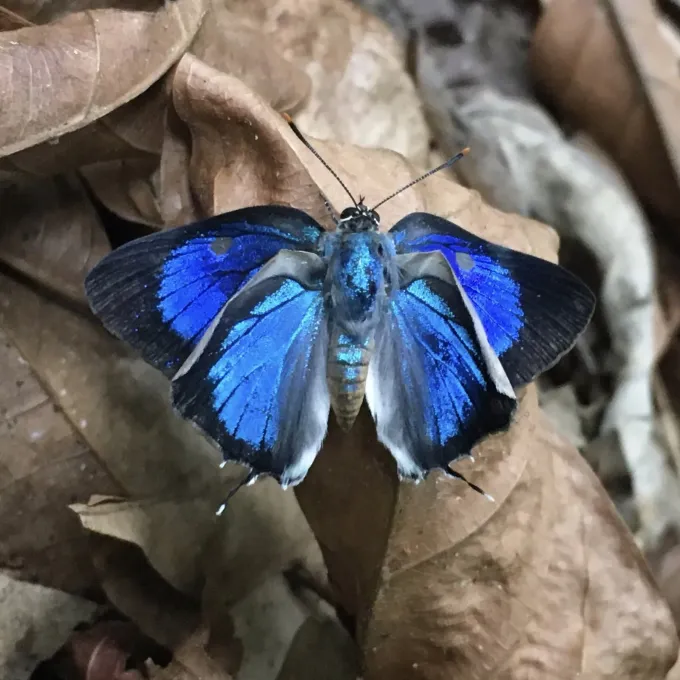
Description
How to identify
Thecla ortygnus is a species of butterfly belonging to the Lycaenidae family within the order Lepidoptera, recognized primarily as a pest of agricultural interest in the tropics.
The adult form is a butterfly, while the larval stage consists of caterpillars that are the main focus of pest control efforts due to their direct impact on crops.
This species undergoes a complete life cycle, which includes eggs, larvae, pupae, and adults, with the larvae spending the majority of their time on host plants.
The larvae possess cryptic coloration that allows them to blend seamlessly with the environment of the host plant, particularly near the fruit or flower structures.
Its biological cycles are synchronized with the flowering and fruiting seasons of its host plants, ensuring food availability for the emerging larvae.
What it damages
Thecla ortygnus is known for causing damage to cocoa trees (Theobroma cacao), targeting the pods during their developmental stage.
Larvae bore into the cocoa pods, creating tunnels that destroy internal tissues and negatively affect the development of the beans inside.
These boreholes serve as entry points for various opportunistic pathogens, including fungi and bacteria, leading to rot and complete fruit decay.
The damage often results in the abscission of young pods, which directly translates into significant yield losses for cocoa plantations.
Even if the pods remain on the tree, the quality and weight of the beans are drastically reduced, making them unsuitable for commercial processing.
Signs of infestation
The presence of Thecla ortygnus is often marked by characteristic entry holes on the exterior surface of the cocoa pods, frequently surrounded by frass.
Visible decay patches or dark, sunken areas on the pods are common indicators of larval activity beneath the surface of the fruit skin.
Excessive sap flow from the pod surface may occur as a reaction to the physical wounding caused by the larvae during their feeding process.
A deformed fruit shape or stunted growth of the pods compared to healthy ones is another reliable sign that the interior is being consumed.
In advanced cases, the internal tissues become soft and discolored, indicating that secondary infections have colonized the area damaged by the larvae.
Control measures
Management of Thecla ortygnus involves integrated pest management (IPM) practices, prioritizing non-chemical methods whenever possible.
Sanitation is a primary control method; removing and properly disposing of infested pods prevents the larvae from completing their development and spreading.
Biological control agents, such as specific entomopathogenic fungi or beneficial predatory insects, can effectively suppress the pest population.
Chemical applications should be used as a last resort, targeted at the early larval stages, and carefully selected to minimize impact on local biodiversity.
Monitoring programs using traps or visual inspection during the fruiting season are essential to time interventions correctly and maintain economic thresholds.
Taxonomy
- Latin name
- Thecla ortygnus
- Order
- Lepidoptera (butterflies)
- Family
- Lycaenidae
- EPPO code
- THECOR
Discussion
No discussions yet — be the first.