
Common groundhopper
Tetrix bipunctata
Description
How to identify
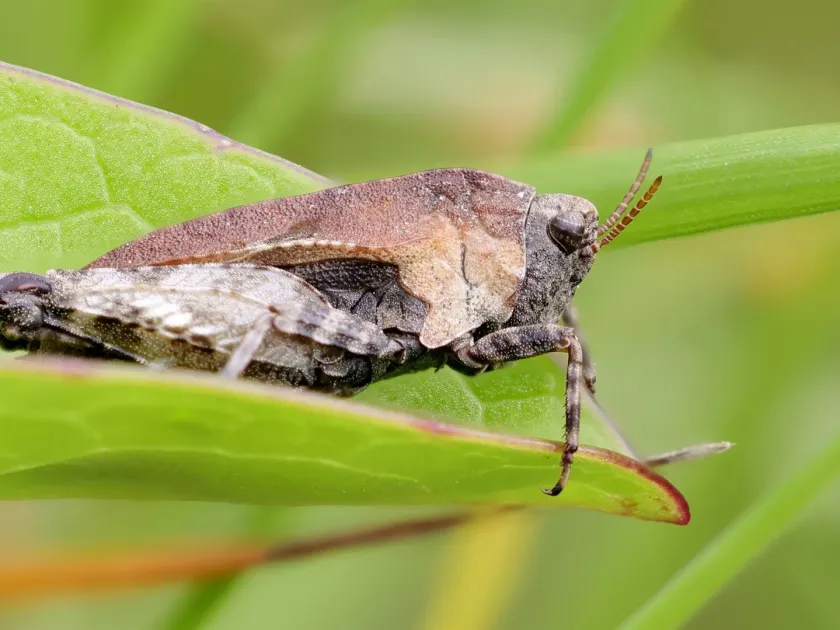
The Common groundhopper belongs to the order Orthoptera, family Tetrigidae. It is a small insect, usually ranging from 7 to 10 millimeters in length, characterized by a highly variable color pattern that mimics soil and debris for effective camouflage.
The most distinctive feature is an elongated pronotum that covers most of the abdomen and ends in a sharp point. These insects lack typical auditory organs, and their elytra are significantly reduced, distinguishing them from common grasshoppers.
The head shape is quite specific, with eyes positioned slightly above the pronotum, providing a wide field of view. Their strong hind legs allow them to make sudden, jerky jumps, which is their primary method of escape when threatened.
Nymphs resemble adults but are smaller and lack fully developed wings. They undergo several molting stages, gradually acquiring the morphological characteristics of mature individuals during their growth cycle.
They inhabit humid environments, such as damp meadows, shores, and shaded field margins, where they find moist substrates and organic debris for their survival and reproductive success.
What it damages
While not considered a major agricultural pest, groundhoppers can cause secondary damage when population densities are high. They tend to nibble on the leaves of young seedlings, causing minor but noticeable physical injury.
The primary concern involves seedlings of vegetables and nursery plants grown in highly humid conditions. Feeding damage on tender tissues can retard growth and weaken the plant, making it more susceptible to environmental stress.
Beyond direct feeding, groundhoppers can carry fungal spores on their bodies, which may contribute to the spread of pathogens that cause root or stem rots in damaged seedlings.
Infestations typically occur near field margins adjacent to wild areas or damp grasslands. In localized areas, their feeding activity can result in thinning stands of sensitive crops during the early stages of vegetation.
Regular monitoring is essential to distinguish their damage from other pests, ensuring that appropriate interventions are applied only when necessary to protect the plant's health.
When it appears
The life cycle of the groundhopper is closely tied to seasonal temperature fluctuations. Adults are the primary overwintering stage, hibernating in leaf litter, moss, or soil crevices to survive cold periods.
Emergence occurs in early spring as soil temperatures rise. Following a period of feeding, mating occurs, and females lay eggs in the moist upper layers of the soil or among moss pads where moisture is retained.
The developmental period for nymphs varies depending on local climate conditions, typically spanning from late spring to summer. Multiple generations may occur in warmer climates if conditions remain optimal.
Peak population activity is usually observed during mid-summer months. This is the period when agricultural producers should be most vigilant regarding the protection of vulnerable young crops.
As autumn approaches, groundhoppers seek protected areas to enter diapause. This migratory behavior towards safer habitats is a key survival strategy for the species to endure winter temperatures.
Signs of infestation
Signs of groundhopper activity include small, irregular feeding marks along the edges of leaves. These look like tiny bites, and unlike damage caused by slugs, there is no accompanying trail of mucus.
During a field inspection, observing sudden, jumping movements of small insects near the base of plants is a clear indicator of their presence. They often prefer to hide in shadowed, damp spots within the field.
Small holes or notches on the cotyledons of emerging seedlings indicate that these insects are actively feeding. This requires immediate inspection to estimate the extent of the impact on the stand density.
Areas of the garden that retain high moisture, such as those near drip irrigation lines, are often the primary hotspots for groundhopper colonization and damage.
Frequent activity near plants, coupled with physical leaf damage, suggests that the population density might be sufficient to warrant protective measures to save young vegetable plants.
Control measures
The most effective strategy is integrated pest management focusing on field sanitation. Regular weeding and soil cultivation help disrupt egg-laying sites and reduce the moisture levels favored by the insects.
Improving drainage on the site is crucial, as creating drier, well-aerated conditions significantly reduces the attractiveness of the area to groundhoppers, limiting their population growth.
Biological control methods include encouraging natural predators such as ground beetles and insectivorous birds, which play a significant role in keeping population numbers in check.
If chemical intervention is deemed necessary, use only insecticides approved for vegetable use, following all label guidelines to minimize environmental impact and protect beneficial organisms.
Applying physical barriers, such as agricultural fleece or netting, over young seedlings during their most sensitive stage of growth is an excellent way to prevent groundhopper damage without chemical use.
Taxonomy
- Latin name
- Tetrix bipunctata
- Order
- Orthoptera (locusts)
- Family
- Tetrigidae
- EPPO code
- TETXBI
Discussion
No discussions yet — be the first.