
Teleonemia sacchari
Teleonemia sacchari
Description
How to identify
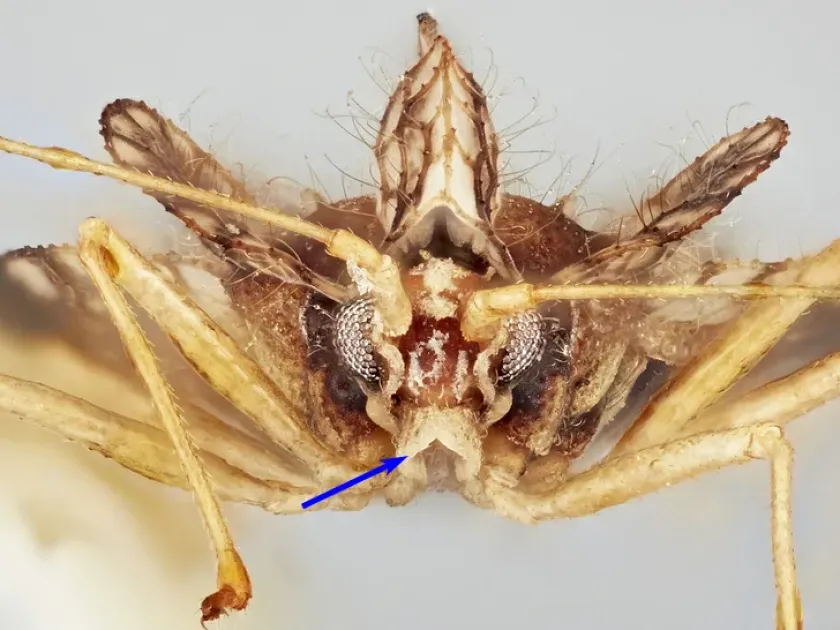
Teleonemia sacchari is a species of lace bug belonging to the Tingidae family within the Hemiptera order. The insect is named after the intricate, mesh-like structure of its wing covers, which resemble fine lace.
Adult bugs are typically small, measuring between 3 and 4 millimeters in length. Their bodies are flattened and exhibit a dull brown or grayish coloration, providing excellent camouflage against plant surfaces.
Nymphs, or immature stages, are similar to adults in general morphology but lack developed wings. They are often covered in small spines and are typically found feeding in clusters on the undersides of leaves.
Eggs are usually inserted directly into the leaf tissue or alongside major veins. This behavior protects them from predators and environmental stressors, making them harder to target with topical treatments.
Because of their size and cryptic coloration, lace bugs are often overlooked by scouts until the damage to the host plant becomes widespread and clearly visible.
What it damages
The primary host plant for Teleonemia sacchari is sugarcane, though they may inhabit other grass species. The feeding activity of these insects can significantly impact plant health.
By using their piercing-sucking mouthparts, the bugs extract cell sap from the leaves. This feeding disrupts the plant's photosynthetic capacity, leading to chlorosis and stunted growth.
Initial damage manifests as a stippling effect—small white or yellowish spots on the upper leaf surface—which eventually merge to cover larger areas, causing the entire leaf to yellow and wither prematurely.
Heavy infestations reduce the overall vigor of the sugarcane crop, resulting in thinner stalks and a decrease in sugar content, which directly impacts the economic yield.
Furthermore, the physical damage to leaf tissues acts as an entry point for secondary infections, including fungal and bacterial pathogens, which can exacerbate the loss of plant biomass.
When it appears
The development of Teleonemia sacchari is highly dependent on climate conditions. Warm temperatures and moderate humidity are ideal for rapid reproduction and population growth.
In tropical and subtropical regions, the pest can complete several generations per year. The duration of each life cycle is directly correlated with the ambient heat and the availability of fresh succulent foliage.
During the dry season, adult bugs may migrate to more favorable microclimates or search for irrigation-supplied plots to maintain their feeding activity.
Overwintering usually occurs in the adult stage, where the bugs find shelter in debris, dry plant husks, or the protected crevices of host plants and nearby weed vegetation.
The seasonal rise in population levels typically corresponds with the onset of the plant's main growing season, allowing the pest to colonize young and vulnerable leaves effectively.
Signs of infestation
The most reliable sign of a lace bug presence is the appearance of chlorotic stippling on the upper surface of the leaves, resulting from sap extraction on the underside.
Inspection of the leaf undersides will reveal colonies of adults and nymphs, as well as the presence of small, dark, sticky droplets of excrement and discarded molted skins.
In advanced stages of infestation, leaves may show curling at the edges, premature necrosis, and a general loss of turgor pressure, leading to a scorched appearance of the canopy.
The presence of the insects themselves, characterized by their unique lace-like wing pattern, confirms the identity of the pest within the field.
- Chlorotic spots on leaves.
- Dark fecal spots on the underside.
- Leaf curling and yellowing.
- Clusters of nymphs on the leaf veins.
Control measures
Integrated Pest Management (IPM) is essential for controlling Teleonemia sacchari. Regular field scouting is the first line of defense to identify infestations early.
Cultural practices, such as removing weed hosts and destroying crop residues after harvest, can effectively reduce the overwintering population and minimize the source of re-infestation.
Chemical control involving systemic insecticides is often necessary for large-scale outbreaks. These products are more effective as they are translocated within the plant, reaching the insects on the leaf undersides.
Biological control methods involve the preservation and introduction of natural predators, such as lady beetles, lacewings, and predatory mites, which can significantly suppress lace bug numbers.
Finally, utilizing resistant cultivars and maintaining optimal plant health through balanced fertilization can improve the crop's ability to tolerate low-to-moderate pest pressure.
Taxonomy
- Latin name
- Teleonemia sacchari
- Order
- Hemiptera (bugs, aphids, leafhoppers)
- Family
- Tingidae
- EPPO code
- TELESA
Discussion
No discussions yet — be the first.