
Sterrha inquinata
Sterrha inquinata
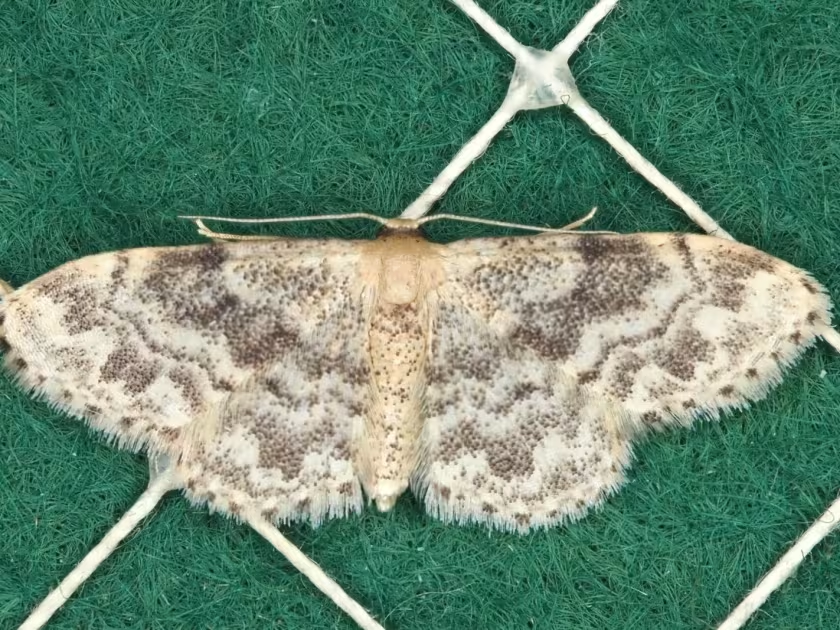
Description
How to identify
Sterrha inquinata, commonly classified in modern taxonomy as Idaea inquinata, is a small moth belonging to the family Geometridae, known for its cryptic appearance.
The adult moths are generally dull in color, which serves as an effective camouflage against the bark of trees or dried foliage, allowing them to remain undetected during the day.
The larvae, or caterpillars, exhibit the characteristic looping movement of the Geometridae family, which is why they are often referred to as inchworms or spanworms.
This species undergoes a complete metamorphosis, consisting of four stages: egg, larva, pupa, and adult, with the larval stage being the most active and damaging.
Identification of the species often requires careful examination, as many members of the genus Idaea share similar morphological characteristics.
What it damages
The larvae of this moth feed on various plant species, potentially impacting ornamental plants, shrubs, and occasionally agricultural crops if they are in close proximity.
Damage is primarily caused by the caterpillars chewing on the leaves, which reduces the surface area available for photosynthesis and weakens the plant.
In cases of significant infestation, the continuous feeding can lead to stunted growth and reduced vigor, making the plants more susceptible to secondary environmental stresses.
The presence of chewed foliage also compromises the aesthetic value of ornamental plants, which is a major concern in nurseries and landscape management.
The feeding patterns often start from the leaf margins and progress inwards, resulting in a characteristic irregular appearance of the affected leaves.
When it appears
Adult moths of Sterrha inquinata are typically active during the late spring and summer months, coinciding with warmer weather patterns.
These moths are nocturnal by nature and are frequently attracted to artificial light sources, which makes monitoring their populations relatively straightforward.
The caterpillars are active during the main growing season, feeding voraciously to reach their necessary weight for the pupation phase.
The life cycle can have overlapping generations, meaning that larvae may be present on plants for an extended period throughout the summer.
As autumn approaches, the larvae seek shelter in protected areas, such as leaf litter or crevices, to enter diapause and survive the winter.
Signs of infestation
The presence of Sterrha inquinata is often signaled by irregular holes or jagged edges on the leaves of host plants.
Scattered frass, which appears as small dark pellets, is a common indicator that larvae are actively feeding in the vicinity.
Careful inspection of the foliage may reveal the presence of caterpillars, though they are experts at hiding by mimicking twigs or stems.
- Irregular foliage damage
- Small fecal pellets under the canopy
- Visible feeding scars on young shoots
- Nocturnal adult activity around light sources
Severe infestations might lead to visible thinning of the plant's canopy, which indicates a high density of larvae present on the vegetation.
Control measures
Effective management begins with good horticultural practices, such as removing debris and leaf litter where the larvae might overwinter.
Biological control options, including the use of Bacillus thuringiensis, are highly effective against larvae and are considered environmentally friendly.
Chemical control should be applied judiciously and only when monitoring shows that population levels exceed the economic threshold for the specific crop.
Maintaining a healthy environment that supports natural predators, such as birds and beneficial insects, can help keep the pest population in check.
Regular monitoring using pheromone or light traps is a critical component of any integrated pest management program to detect the pest early in the season.
Taxonomy
- Latin name
- Sterrha inquinata
- Order
- Lepidoptera (butterflies)
- Family
- Geometridae
- EPPO code
- STRRIN
Discussion
No discussions yet — be the first.