
Stephensia
Stephensia
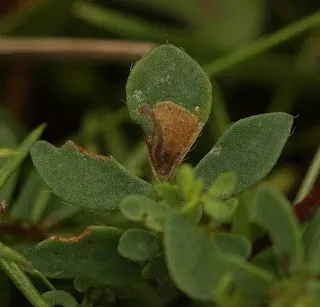
Description
How to identify
Stephensia is a genus of moths belonging to the family Elachistidae (grass miners). These insects are typically small, with narrow, slender wings adapted for concealment on host plants.
Adult moths are often nocturnal or crepuscular, making them difficult to detect during the day. Their cryptic coloration allows them to blend in perfectly with stems and foliage, providing protection from predators.
The larval stage is characterized by a hidden lifestyle, as larvae bore into the internal tissues of plants. This endophagous behavior is the hallmark of the genus and makes traditional control difficult.
The life cycle is closely synchronized with the host plant's phenology. Depending on environmental factors, the insects pass through several larval instars before pupation.
Pupation usually occurs in protective cocoons, often located within the substrate or in debris around the base of the plant, which serves as a strategy for surviving winter conditions.
What it damages
The genus Stephensia is known to affect various plants, particularly those in the Caryophyllaceae family. Larvae consume internal tissues, significantly impairing the plant's structural integrity.
The feeding activity within leaves and stems results in the disruption of photosynthesis and nutrient transport. This leads to yellowing, necrosis, and, in severe cases, the death of the plant tissue.
In ornamental horticulture, the damage manifests as reduced aesthetic value and loss of marketability. Plants infested with these larvae often appear stunted and deformed.
Stems become weakened, making them susceptible to lodging or breaking under stress. Furthermore, the tunnels created by larvae can serve as entry points for secondary pathogens and fungal diseases.
The level of damage is directly correlated with the infestation density. Early season populations can cause systemic harm, affecting the overall vigor and reproductive capacity of the crop.
Signs of infestation
The most diagnostic sign of a Stephensia infestation is the presence of mines — internal tunnels visible as pale, serpentine lines within the leaf lamina.
Frass (larval excrement) may be observed emerging from tiny exit holes in the stems or leaf sheaths, indicating the presence of actively feeding larvae inside the plant structure.
Wilting of individual shoots or entire plants, despite adequate irrigation, often points to internal tissue destruction caused by the moth larvae feeding within the stem.
Stunted development and chlorosis (yellowing) of the upper foliage are common indicators that the plant is suffering from internal vascular disruption due to larval activity.
Adult moth presence can be monitored using ultraviolet light traps during the evening hours, which helps in identifying the onset of the reproductive cycle and potential risk periods.
Control measures
Integrated Pest Management (IPM) is the most effective approach for controlling Stephensia. This involves combining monitoring techniques with physical and chemical interventions.
Cultural practices, such as the removal and destruction of crop residues after harvest, are vital to reduce the overwintering population and prevent re-infestation in the next season.
- Deployment of pheromone or light traps to monitor population spikes.
- Application of systemic insecticides specifically timed with larval emergence.
- Maintaining field hygiene by removing alternative host weeds near crops.
Chemical applications must be precisely timed. Once larvae have entered the plant tissue, they are protected from contact insecticides, making early intervention critical for success.
Promoting local populations of natural predators, such as parasitic wasps, can provide significant biological control and should be considered within a sustainable farming framework.
Taxonomy
- Latin name
- Stephensia
- Order
- Lepidoptera (butterflies)
- Family
- Elachistidae
- EPPO code
- SENSSP
Discussion
No discussions yet — be the first.