
Stephanitis oberti
Stephanitis oberti
Description
How to identify
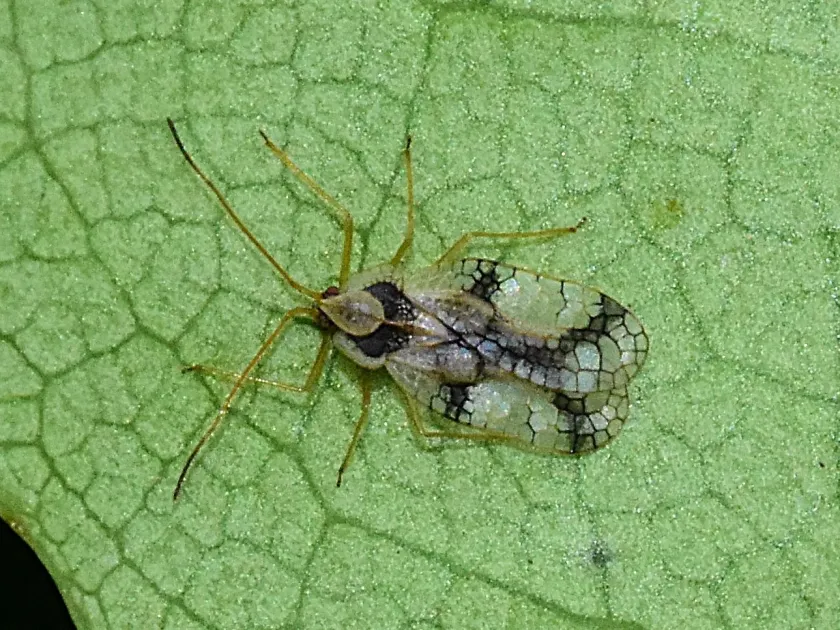
Stephanitis oberti is a small insect belonging to the Tingidae family, commonly known as lace bugs. They are named for the intricate, reticulated (net-like) patterns on their wings and pronotum.
The adult bugs are typically 3–4 mm long. Their coloration is usually brownish, allowing them to blend perfectly with the plant tissues they inhabit.
Nymphs of the species are wingless and often possess small spines on their bodies, which serve as a defensive mechanism against predators during their development.
This species is widely recognized for its preference for specific ornamental woody plants, where they establish colonies on the underside of leaves.
Identification often requires careful inspection with a magnifying glass due to their small size and effective camouflage strategy on the host foliage.
What it damages
The primary damage caused by Stephanitis oberti is the result of their piercing-sucking mouthparts, which they use to feed on the sap of the host plants.
As the insects feed, they extract chlorophyll, leading to the appearance of small, pale or yellowish stippling spots on the upper surfaces of the leaves.
Over time, these spots coalesce, causing significant tissue chlorosis, wilting, and sometimes premature leaf drop, which diminishes the aesthetic value of the plants.
Severe infestations can lead to decreased photosynthetic efficiency, which weakens the entire plant, making it more susceptible to environmental stress and secondary diseases.
The presence of fecal spots and cast-off larval skins on the underside of the leaves is a clear indicator of sustained feeding activity by the lace bug colony.
When it appears
Stephanitis oberti overwinters as an adult, typically seeking refuge in leaf litter, bark crevices, or other sheltered spots near their host plants during the colder months.
Emergence in the spring aligns with the beginning of the plant growing season, usually becoming noticeable when temperatures consistently exceed a certain threshold.
Throughout the summer, the species can complete multiple generations, with the population size peaking in the warmest months, such as July and August.
Hot and dry weather conditions generally accelerate the development cycle of the nymphs, which can result in rapid population explosions in garden settings.
As autumn temperatures begin to decline, the adults move toward their overwintering sites to survive the winter and restart the cycle the following spring.
Signs of infestation
The first signs of an Stephanitis oberti infestation are visible on the upper side of the leaves, where fine stippling or bleaching becomes apparent.
Turning the leaf over reveals the presence of the insects, dark sticky fecal deposits, and the characteristic pale, translucent cast skins of the nymphs.
Affected leaves may curl or deform, losing their vibrant green color and becoming brittle as the plant’s health progressively declines due to nutrient loss.
In high-density colonies, the overall vigor of the shrub or tree is visibly impaired, with the foliage appearing dusty, pale, or prematurely withered.
If left untreated, the discoloration spreads across the entire plant, eventually leading to a complete loss of decorative appeal and overall physiological decline.
Control measures
Effective management begins with good horticultural practices, such as clearing away infested leaf litter in the fall to eliminate overwintering adults.
Monitoring the undersides of leaves starting in late spring is crucial to detecting the initial presence of nymphs before the population expands significantly.
Chemical control involving systemic insecticides is often necessary for significant infestations, as these treatments are taken up by the plant tissues.
Applications should be thorough, specifically targeting the underside of the leaves to ensure direct contact and maximum coverage of the lace bug colonies.
Maintaining plant health through adequate irrigation and proper nutrient management helps improve the plant's resilience against insect feeding and environmental stress.
Taxonomy
- Latin name
- Stephanitis oberti
- Order
- Hemiptera (bugs, aphids, leafhoppers)
- Family
- Tingidae
- EPPO code
- STEPOB
Discussion
No discussions yet — be the first.