
Stenopelmus
Stenopelmus
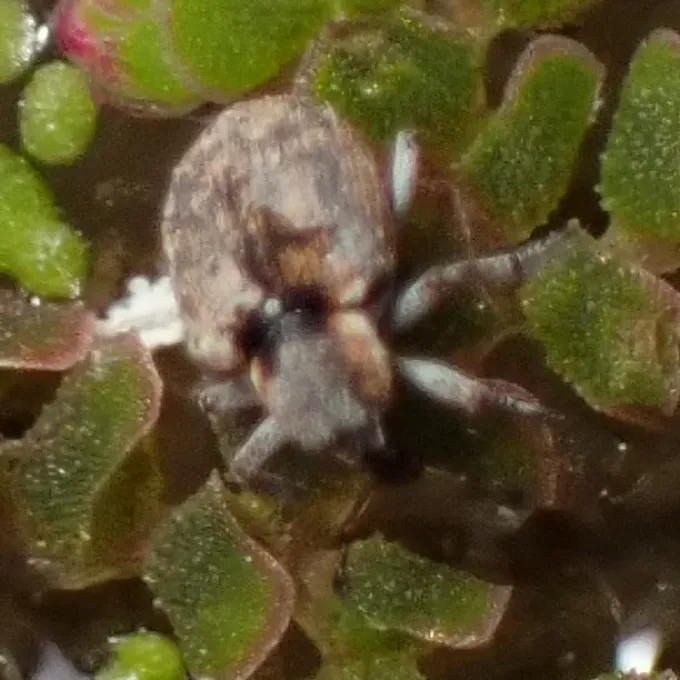
Description
How to identify
Stenopelmus rufinasus, commonly known as the Azolla weevil, is a small beetle species that specifically targets aquatic ferns of the genus Azolla. Adult weevils are small, measuring approximately 2–3 mm in length, and possess a distinct reddish-brown color.
The body of the weevil is adapted to aquatic environments, featuring a snout (rostrum) typical of the Curculionidae family. This structure allows the insect to feed effectively on the plant tissues and deposit eggs.
Larvae are small, legless, and creamy-white in color, living hidden within the plant tissues. Due to their minute size and concealed lifestyle, they are rarely seen by the naked eye during initial infestation stages.
Adult beetles are capable of active flight, which enables them to colonize new water bodies over considerable distances. They can move efficiently across both water surfaces and vegetation mats.
Accurate identification requires careful inspection of the plant's apical parts under magnification. The morphological characteristics of the pronotum and body scales are key features for entomological confirmation.
What it damages
The primary host for this pest is Azolla, a floating aquatic fern used in agricultural systems as a biofertilizer to supply nitrogen to crops like rice. Stenopelmus can devastate these fern populations.
Adult weevils feed on the leaves, creating small puncture wounds, while the larvae tunnel through the internal tissues of the plant. This mining activity disrupts the physiological processes of the fern.
Severe infestations lead to the rapid decay and eventual death of the Azolla mat. As the plant tissue dies, it loses its ability to fix atmospheric nitrogen, rendering it useless for agricultural purposes.
The damage is often characterized by browning and fragmentation of the fern colonies. In dense mats, the pest can spread rapidly, causing significant biomass loss across entire water surfaces.
Furthermore, the damage caused by tunneling creates entry points for secondary pathogens and bacteria, which accelerates the collapse of the aquatic vegetation.
When it appears
The life cycle and activity of Stenopelmus are heavily dependent on water and air temperatures. The insect becomes active during warm seasons when environmental conditions favor the rapid growth of its host plant.
The peak population density usually occurs in mid-summer. The developmental cycle from egg to adult is relatively short, allowing for multiple generations to occur during a single season.
During colder months, adults seek shelter in shoreline debris, leaf litter, or the upper layers of soil near water bodies to undergo diapause and survive the winter.
As soon as temperatures rise in the spring, the overwintered adults migrate back to the aquatic environment to restart the breeding cycle on new Azolla growth.
Because of the rapid turnover of generations, monitoring must be conducted frequently throughout the active growing season to detect early outbreaks before they become unmanageable.
Signs of infestation
The first visual signs of infestation include the appearance of tiny yellow or brown spots on the normally vibrant green surface of the Azolla mat. These are indicative of early feeding activity.
Colonies eventually begin to turn pale or reddish-brown as the tissue integrity is compromised. The ferns often lose their buoyancy and start to sink below the surface.
- Irregular yellowing and browning of the leaves.
- Visible circular punctures on the plant surface.
- Fragmentation of the Azolla mat into small, dying clumps.
- Presence of reddish-brown adult weevils on top of the vegetation.
- Accumulation of larval excrement on the damaged plant parts.
If a clump of the plant is lifted and it easily breaks apart or appears mushy, it is a definitive sign of an advanced infestation by Stenopelmus larvae.
These signs can start locally but will rapidly expand across the entire water body if no intervention takes place.
Control measures
Biological control represents the most sustainable management option, involving the use of natural predators or pathogens that specifically target this weevil species.
Manual removal of infected plant material can effectively suppress population growth in small water bodies. It is crucial to properly dispose of the biomass to prevent re-infestation.
Chemical control is generally avoided in aquatic systems to protect water quality and non-target aquatic organisms such as fish and beneficial macroinvertebrates.
Agricultural practices, such as implementing fallow periods or rotating the use of Azolla in paddies, can help break the lifecycle of the pest by removing its mandatory food source.
Regular surveillance using visual checks or targeted traps is essential for early detection. Maintaining vigorous and healthy plant growth can also improve the plant's tolerance to minor feeding damage.
Taxonomy
- Latin name
- Stenopelmus
- Order
- Coleoptera (beetles)
- Family
- Brachyceridae
- EPPO code
- STNPSP
Discussion
No discussions yet — be the first.