
Stenoma mistrella
Stenoma mistrella
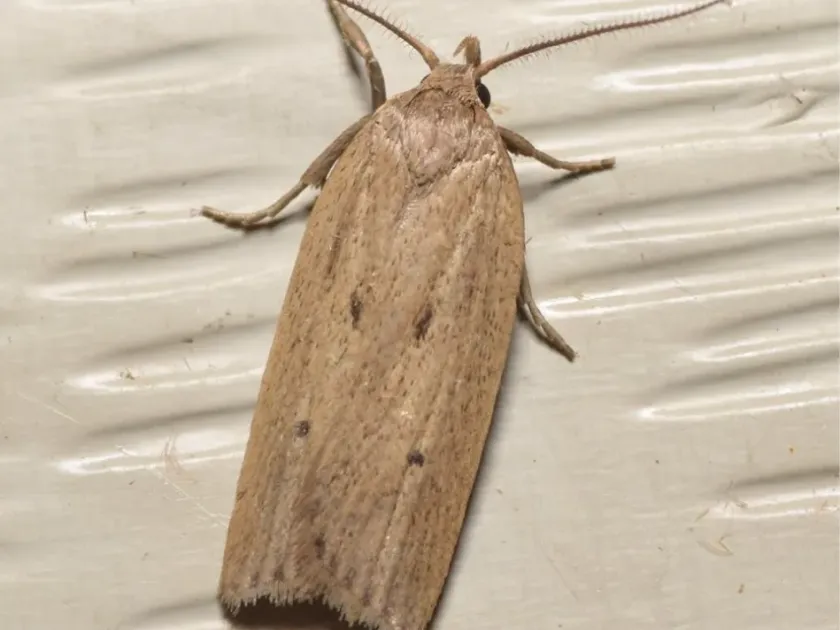
Description
How to identify
Stenoma mistrella is a moth species belonging to the family Depressariidae within the order Lepidoptera. These moths have evolved specific biological characteristics that allow them to exploit various plant species for their developmental cycle.
The larvae, or caterpillars, are the primary stage responsible for plant damage, possessing strong mandibles adapted for grazing on foliage and soft plant tissues.
The life cycle undergoes a complete metamorphosis, consisting of the egg, larval, pupal, and adult stages. Each stage is adapted to specific environmental triggers that dictate the timing of their activities.
Identification is primarily based on the presence of the caterpillars and the specific patterns of damage they leave behind, which often include webbing or leaf folding behaviors.
Understanding the population dynamics is essential, as the abundance of this species is highly dependent on climate and the availability of suitable host plants in the surrounding area.
What it damages
Stenoma mistrella is known to cause significant harm to various tree and shrub species. The larvae feed aggressively on leaf tissue, leading to a substantial decrease in photosynthetic capacity.
By consuming leaves, the pest weakens the plant's overall health, making it more susceptible to secondary environmental stresses or opportunistic pathogen infections.
In cases of high infestation, the caterpillars may also feed on buds, flowers, and developing fruits, causing malformations and direct loss of agricultural yield.
The structural integrity of the plant can be compromised when larvae feed on tender shoots, hindering the normal growth and development of the affected branches.
Economic damage is most pronounced in managed agricultural environments, such as orchards, where the cumulative effect of larval feeding leads to reduced harvest quality.
When it appears
The activity of Stenoma mistrella typically begins in the spring, triggered by rising temperatures that signal the end of the pupal diapause stage.
The period of greatest larval activity coincides with the plant's active growing phase, when the presence of young, nutrient-rich tissues provides an ideal food source.
Multiple generations can occur throughout the summer months, leading to a sustained risk of damage across the entire growing season if control measures are not implemented.
As temperatures decline in autumn, the larvae prepare for wintering by seeking shelter in bark crevices, leaf litter, or other protected locations in the environment.
Monitoring the flight periods of adult moths is a key strategy for predicting larval emergence and timing preventive interventions in agricultural fields.
Signs of infestation
The presence of silken webbing or small nests spun by the larvae on the underside of leaves is one of the most reliable indicators of an active Stenoma mistrella infestation.
Skeletonized leaves, where only the veins remain, are a clear sign of larval feeding activity that has reached a significant level of intensity.
The presence of frass (larval excrement) near the damaged areas or caught within the webbed leaves is a distinct visual sign of the pest's recent activity.
Premature leaf drop or the development of wilted, deformed fruit are symptoms that often follow a period of larval feeding, indicating localized or systemic damage.
Finding adult moths near light sources during the night suggests that the mating cycle is underway, serving as a warning to inspect plants for new egg masses.
Control measures
Cultural control is a foundational approach, involving the removal of fallen leaves and pruning of infested branches to reduce the availability of overwintering sites.
Biological control methods, including the use of entomopathogenic bacteria or natural predators, provide an environmentally friendly way to manage pest populations.
- Installation of pheromone traps to monitor and reduce adult moth populations.
- Application of selective insecticides targeting the early larval stages of development.
- Maintaining healthy plant vigor through proper irrigation and fertilization to offset damage.
Chemical intervention should be strategically timed to match the most vulnerable stage of the pest, minimizing the frequency of applications and the impact on beneficial species.
An integrated pest management (IPM) program is recommended to combine monitoring, physical, and biological methods, ensuring long-term suppression of the Stenoma mistrella population.
Taxonomy
- Latin name
- Stenoma mistrella
- Order
- Lepidoptera (butterflies)
- Family
- Oecophoridae
- EPPO code
- STENMI
Discussion
No discussions yet — be the first.