
Stenoma
Stenoma
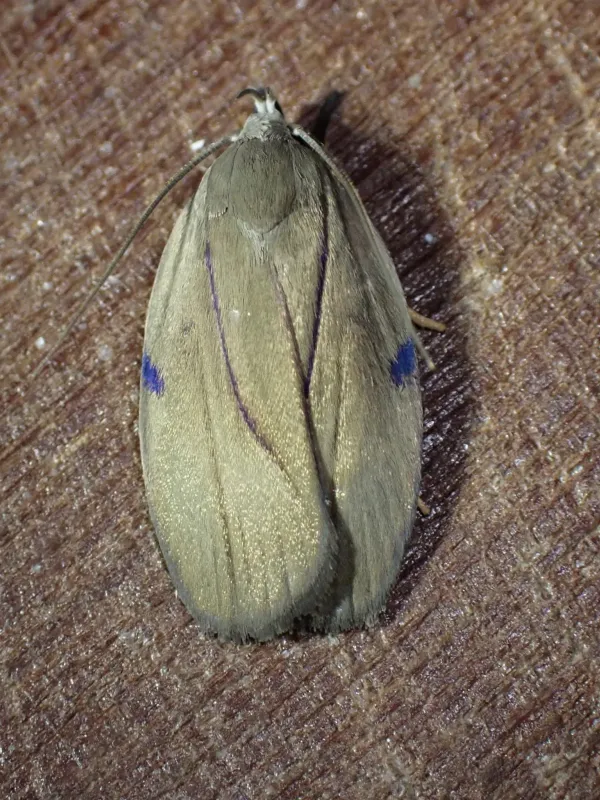
Description
How to identify
Stenoma is a genus of moths belonging to the family Elachistidae. These insects are known for their cryptic coloration, which provides excellent camouflage against tree bark and foliage, making them difficult to spot in the field.
Adult moths are typically nocturnal and possess narrow wings with distinct patterns. While the adult stage is relatively harmless, it is the primary vector for laying eggs that hatch into highly destructive larvae.
The most infamous member of this genus is Stenoma catenifer, commonly known as the avocado seed moth. Identifying specific species within the Stenoma genus often requires expert entomological examination or genetic analysis due to the similarity between related species.
Pheromone traps are essential tools for monitoring the population density of adult moths. By tracking the flight activity of these insects, growers can predict peak infestation periods and time their control measures more effectively.
In their larval stage, these insects are usually pale with darker head capsules. They are seldom seen by farmers until the internal damage to the plant tissue becomes irreversible, which is a significant challenge for early identification.
What it damages
Stenoma larvae are notorious for causing significant damage to tropical fruit crops, with avocado being the primary host. The larvae bore into the fruit, feeding on the pulp and often reaching the seed, which completely destroys the commercial value of the crop.
In addition to fruit, the larvae can attack stems and young shoots. This feeding behavior disrupts the vascular system of the plant, leading to stunted growth, nutrient deficiency, and in severe cases, the death of young saplings.
The entry points of the larvae are often marked by sap exudation, which eventually turns brown and hardens. This creates a site for secondary infection by bacteria and fungi, causing the fruit to rot from the inside out.
One of the most problematic aspects of this pest is the lack of visible external damage in the early stages of infestation. Consequently, many infested fruits appear healthy during harvest but are found to be hollowed out upon further inspection.
Left unmanaged, Stenoma infestations can lead to massive economic losses, sometimes wiping out entire harvests. It is considered a major quarantine pest in many countries that import tropical fruits.
When it appears
The lifecycle of Stenoma is closely linked to the phenology of its host plant. In tropical regions, where these pests are most prevalent, they can maintain continuous generations throughout the year, provided temperatures remain favorable.
Peak infestation levels usually occur during the fruit-setting and maturation phases. Female moths are highly selective, laying their eggs on the surface of young fruit or near the peduncle, ensuring that newly hatched larvae have immediate access to food.
The developmental period of the larvae is temperature-dependent, ranging from several weeks to over a month. Warmer climates accelerate the metabolic rate of the insect, leading to shorter generations and more rapid population growth.
Pupation typically takes place in the soil under the canopy of the host tree or within the decaying fruit itself. This makes the insect highly adaptable to various environmental conditions and difficult to eliminate solely through canopy-level treatments.
Management schedules are often adjusted based on local climate data. In areas with distinct wet and dry seasons, activity spikes are often observed immediately following the onset of the fruiting season.
Signs of infestation
Initial signs of a Stenoma infestation include small entry holes on the fruit skin, often surrounded by darkened, sunken areas. These holes are usually accompanied by small piles of larval frass, appearing like fine sawdust or brown powder.
Internal damage manifests as extensive tunneling. When an infested fruit is cut open, one will observe irregular galleries filled with excrement and decaying tissue, often accompanied by a foul, rotting smell characteristic of bacterial colonization.
Premature fruit drop is a common indicator of a severe infestation. If trees are shedding immature fruit at an abnormal rate, it is highly likely that larvae are feeding inside the fruit, causing the plant to abort the damaged organ.
On young branches, look for wilting leaves or physical deformities such as cracks or swelling. Larval feeding on the cambium layer can interrupt the flow of nutrients, leading to the yellowing and eventual death of the affected branch.
To detect the presence of the pest early, growers should employ the following:
- Perform regular inspections of fruit surfaces, especially near the stem attachment.
- Monitor pheromone traps for any increase in moth captures.
- Examine fallen fruit to check for exit holes made by emerging larvae.
Control measures
Effective management of Stenoma requires an Integrated Pest Management (IPM) approach. The most fundamental step is strict sanitation: all fallen, infested fruit must be collected and destroyed immediately to break the lifecycle.
Chemical control focuses on the use of systemic insecticides that can reach the larvae hidden within the fruit or shoots. Applications must be timed precisely with the egg-laying cycle to ensure maximum efficacy before the larvae burrow deep into the tissue.
Biological control methods, such as the release of parasitoid wasps (e.g., Trichogramma species), have shown great promise in suppressing populations naturally. These beneficial insects target the eggs of the moth, preventing the larvae from ever developing.
Cultural practices that promote tree health are vital. Ensuring the trees receive adequate nutrition and water allows them to produce natural defenses, such as resins, which can act as a barrier against boring larvae.
Finally, maintaining strict quarantine measures is essential to stop the spread of this pest to non-infested areas. International trade in host fruits from infested regions must follow stringent phytosanitary protocols to prevent accidental introduction.
Taxonomy
- Latin name
- Stenoma
- Order
- Lepidoptera (butterflies)
- Family
- Oecophoridae
- EPPO code
- STENSP
Discussion
No discussions yet — be the first.