
Carrion beetle
Silpha
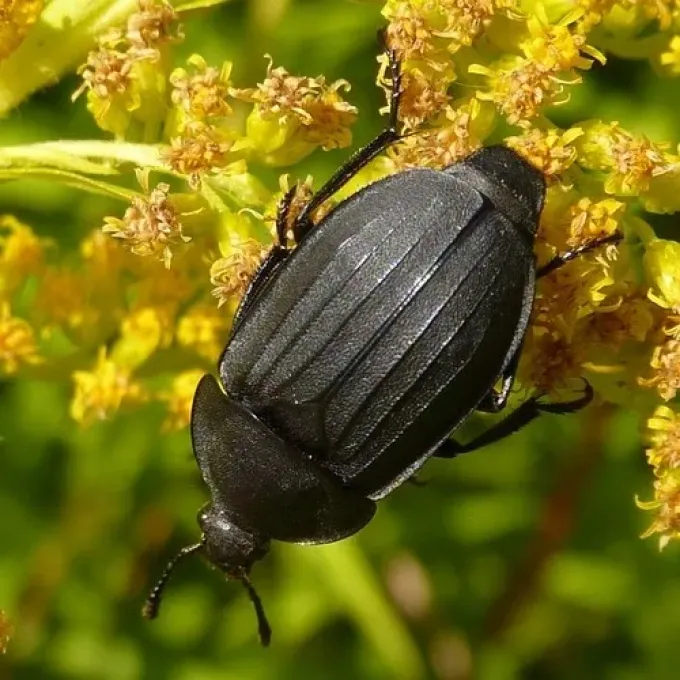
Description
How to identify
The genus Silpha belongs to the Silphidae family, order Coleoptera. While most species are scavengers, certain members, such as Silpha obscura, are known as phytophagous pests in agricultural settings.
Adult beetles possess a flattened, black or dark brown body, typically reaching 10–15 mm in length. Their pronotum is broad and rounded, which is a key morphological feature for field identification.
Larvae are flattened and segmented, often resembling woodlice in appearance. They are nocturnal by nature, remaining hidden under plant debris or in the upper soil layers during the daylight hours.
The life cycle follows a complete metamorphosis pattern: egg, larva, pupa, and imago. The insects typically overwinter as adults in the soil, under leaf litter, or within accumulated organic debris.
Upon the arrival of spring temperatures, overwintered adults emerge, begin active feeding, and start laying eggs in the soil near the host plants to ensure food for the emerging larvae.
What it damages
Phytophagous carrion beetles are primarily pests of beet crops, including sugar beet, fodder beet, and red beet. Occasionally, they may also affect other members of the Amaranthaceae family.
The most significant damage occurs at the seedling stage. Both adults and larvae can consume entire cotyledons or damage the growth point, leading to rapid plant death and reduced stand density.
On older plants, these pests skeletonize the leaves, eating the tissue between the veins. This feeding pattern significantly reduces the photosynthetic surface, leading to stunted plant growth and lower yields.
Outbreaks are most common in years with cold, wet springs. In such conditions, crop growth is slow, leaving the plants susceptible to feeding pressure for a longer duration of time.
Extensive tissue damage caused by these insects can facilitate the entry of various pathogenic bacteria and fungi, exacerbating the overall damage to the crop field.
Signs of infestation
The primary symptom is the presence of irregular, ragged holes in the leaves. In the seedling phase, this often appears as notched or completely severed leaf margins.
During morning inspections, you can often find adults near the base of the plant. They are known for "playing dead" (thanatosis) when disturbed, making them easier to spot.
Larval damage is characterized by skeletonized leaf patches. As these patches dry out, they often turn brown, creating a mottled appearance on the foliage of the affected plant.
A reduction in plant density combined with the presence of black, flattened beetles is a strong indicator of an active infestation that requires monitoring and intervention.
Searching under soil crusts or plant residue near the root zone during the day often reveals the presence of hiding larvae that emerge at night to continue feeding.
Control measures
Strategic crop rotation is the most effective management tool. By avoiding planting beets in the same field for multiple years, you interrupt the pest's reproductive cycle.
Deep autumn plowing helps expose pupae and overwintering adults to adverse weather conditions and natural predators, significantly reducing the population for the next season.
Effective weed management, especially targeting host plants like wild amaranth or goosefoot, is crucial to eliminate alternative food sources for the pests.
In cases of economic damage, the application of registered insecticides is recommended. Timely treatment during the early larval development phase is critical for success.
- Utilizing insecticide-treated seeds to provide protection during the vulnerable seedling stage.
- Promoting rapid crop development through optimized fertilization and watering.
- Monitoring fields with light traps to estimate beetle activity levels.
Taxonomy
- Latin name
- Silpha
- Order
- Coleoptera (beetles)
- Family
- Silphidae
- EPPO code
- SILPSP
Discussion
No discussions yet — be the first.