
Ablattaria
Ablattaria
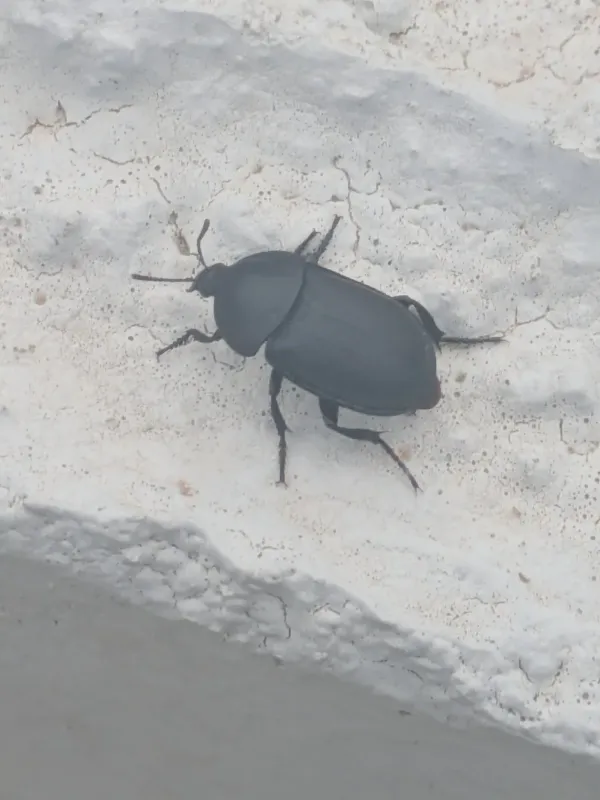
Description
How to identify
The genus Ablattaria belongs to the family Silphidae, order Coleoptera. While many carrion beetles are scavengers, these beetles are known for their association with mollusks, occasionally shifting to plant tissues.
Adult beetles are characterized by a flattened body shape and distinct elytra, which provide protection while navigating through soil and organic matter. Their coloration is typically dull and dark.
The larvae are mobile, featuring a well-developed mouthpart structure. They prefer damp environments, often residing in the upper soil layers or beneath decaying vegetation in gardens and fields.
The biological cycle is highly dependent on humidity levels. Excessive drought can negatively impact the development of larvae, while moderate moisture supports the survival and maturation of the population.
In the context of agronomy, they are classified as opportunistic pests that thrive in gardens or fields where the ecological balance favors their reproductive success.
What it damages
Ablattaria becomes a plant pest when its primary food sources, such as snails or slugs, are scarce. During these periods, they turn their attention to succulent parts of agricultural crops.
The damage is particularly severe for young seedlings and vegetable crops, which provide easy access to moisture and nutrition for both adults and larvae throughout the growing season.
Adults consume leaves and stems, creating irregular holes that interfere with photosynthesis and weaken the plant's structural integrity, leading to stunted growth or total decay.
Larvae primarily attack the subterranean parts of the plant, including the roots and root collar. This hidden feeding often results in the sudden wilting of healthy-looking plants.
Continuous feeding by a large colony of larvae can destroy entire patches of crops, significantly reducing the yield potential and quality of the final harvest.
Signs of infestation
The presence of the pest is often signaled by ragged, irregular holes in the lower leaves that are in contact with the moist soil or mulch layer near the base.
Plants wilting unexpectedly, despite adequate irrigation, may be a sign of larval feeding activity on the root collar, causing damage to the plant's vascular system.
Searching under moist debris, wood planks, or large leaves during the early morning hours can reveal the presence of adult beetles hiding from sunlight.
Excrement deposits near the base of the stems are a clear indicator of localized feeding, requiring a closer inspection of the soil around the affected plants.
Visible yellowing of foliage combined with a slow growth rate is a common diagnostic sign indicating that the root system has been compromised by insect activity.
Control measures
Autumn soil cultivation is the most effective cultural method, as it disrupts the life cycle by destroying overwintering larvae and exposing them to natural predators.
Maintaining a clean garden by removing weeds and garden debris minimizes potential habitats and daytime shelters for the beetles, effectively reducing the overall population.
Mechanical control using small wooden traps placed in the field allows growers to collect and eliminate adult beetles that seek shelter beneath these surfaces during the day.
Strategic irrigation management helps maintain soil health and ensures that conditions are not overly humid, which discourages the proliferation of the pest in the vegetable patch.
In cases of heavy infestation, farmers may apply soil-applied insecticides, ensuring that the chosen chemicals are compliant with local safety and environmental regulations.
Taxonomy
- Latin name
- Ablattaria
- Order
- Coleoptera (beetles)
- Family
- Silphidae
- EPPO code
- ABLASP
Discussion
No discussions yet — be the first.