
Phosphuga
Phosphuga
Description
How to identify
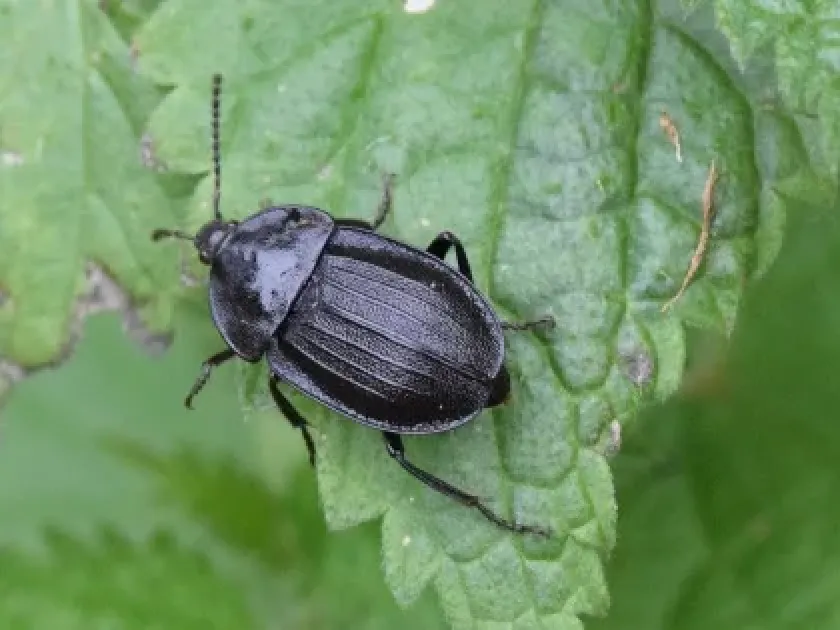
Phosphuga (Latin Phosphuga atrata) is a beetle belonging to the Silphidae family, commonly known as the black carrion beetle.
Adult beetles have an elongated body, typically matte black in color, and reach a length of 10 to 15 millimeters.
The head is distinctly elongated, providing a superficial resemblance to some ground beetles, though their antennae structure is unique to silphids.
The larvae are flattened and dark, with a body structure resembling a woodlouse, often found hidden within soil or organic leaf litter.
These insects are primarily nocturnal, which explains why they are rarely observed by farmers or gardeners during daylight hours.
What it damages
While primarily predatory, feeding on snails and slugs, Phosphuga beetles can cause incidental damage to cultivated plants when their natural prey is scarce.
Major host crops include various leafy vegetables, cabbage, lettuce, and young sprouts of cucurbitaceous plants.
Beetles scrape the epidermis of leaves, causing irregular holes and damage that can lead to significant plant stress if left unchecked.
The most severe damage occurs in nurseries and greenhouses where delicate seedlings are vulnerable to minor feeding pressure.
Severe infestations can degrade the aesthetic and commercial quality of vegetable crops, making the produce unsuitable for sale.
When it appears
Adult beetles emerge early in the spring as soon as the soil temperatures begin to rise and the winter frost subsides.
Peak activity is typically observed during damp and mild conditions throughout late spring and early summer, coinciding with the growth period of vegetables.
The beetle typically completes one generation per year, with the lifecycle timing heavily influenced by local moisture levels and temperature.
Extended periods of hot, dry weather reduce their activity, driving them into deeper soil layers or cool, damp shelters.
Overwintering occurs in the soil, under plant debris, or within logs and stone piles where they find protection from severe winter conditions.
Signs of infestation
The primary symptom of infestation is the presence of irregular holes or frayed leaf margins on plants growing near the ground level.
Look for traces of insect activity, such as excrement or damp debris around the base of the damaged host plants.
Nighttime monitoring with a flashlight is the most reliable method for detecting adult beetles while they are actively feeding.
A large population of slugs often serves as a primary attractant; where slugs are present, the likelihood of finding Phosphuga increases.
If you discover black, elongated beetles under garden refuse, wooden boards, or stones, it confirms their presence in the agricultural area.
Control measures
Implementing deep autumn tillage is the most effective cultural method to disrupt the life cycle and destroy overwintering sites.
Regular maintenance, including the removal of weeds, organic waste, and debris, significantly reduces the available hiding spots for the beetles.
Crop rotation should be practiced to prevent the population from becoming established in specific areas of the garden or farm.
If necessary, target the slug population using biological control methods, which indirectly forces the predatory beetles to leave the area.
In cases of severe economic impact, chemical insecticides approved for specific vegetable crops may be used as a last resort control measure.
Taxonomy
- Latin name
- Phosphuga
- Order
- Coleoptera (beetles)
- Family
- Silphidae
- EPPO code
- PHOGSP
Discussion
No discussions yet — be the first.