
Shijimiaeoides enoptes
Shijimiaeoides enoptes
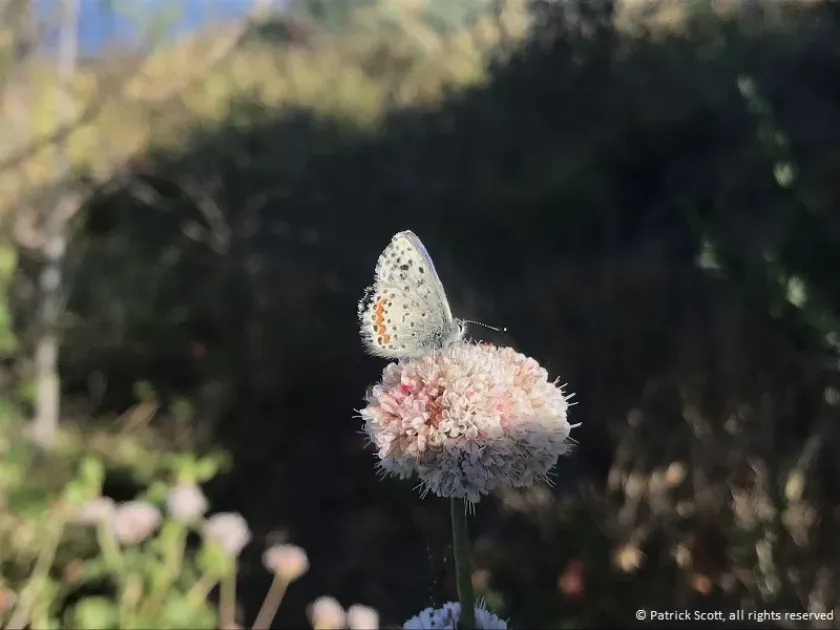
Description
How to identify
Shijimiaeoides enoptes is a butterfly species belonging to the Lycaenidae family. Adult specimens exhibit the characteristic appearance of their genus, typically featuring specific wing patterns that help differentiate them from related species.
The larvae of this species undergo several instar stages, during which their physical appearance and nutritional requirements evolve. Identifying the larvae requires expertise in morphological analysis to distinguish them from other lepidopteran pests.
As a member of the order Lepidoptera, its life cycle is deeply intertwined with its specific host plants. This specialization dictates where the species is found and when it is most likely to cause agricultural concern.
Adult butterflies are diurnal, preferring sunny environments where they can mate and deposit eggs on suitable host plants. Understanding their behavior is key to managing populations in gardens and nurseries.
Accurate identification is crucial for effective management. Because these butterflies can look similar to non-pest species, entomological confirmation is often recommended before starting intensive control programs.
What it damages
The primary damage is caused by the larvae, which feed on both vegetative and reproductive parts of the plant. Buds, flowers, and young shoots are the most frequently targeted, leading to stunted growth.
The host range is usually specific to certain plant families. When these plants are grown commercially or for ornamental purposes, the presence of the pest can cause significant aesthetic and economic losses.
Feeding larvae create wounds on the plants, which act as entry points for secondary fungal and bacterial infections. This often exacerbates the visible damage and can lead to the death of affected buds or shoots.
In cases of high infestation, the pest can drastically reduce the yield and quality of the crops. The loss of flowering potential is a major concern for ornamental growers who rely on pristine plant health.
Constant defoliation or bud destruction by the larvae weakens the plant over time, making it less resilient to environmental stressors like drought, frost, or other pest outbreaks.
When it appears
The activity of Shijimiaeoides enoptes is strictly tied to the growing season of its host plants. Larval emergence coincides with spring temperatures, which trigger the growth of fresh plant tissue.
Adult flight occurs during the warmer months, facilitating reproduction and egg-laying. Environmental factors such as temperature and precipitation play a significant role in the duration and intensity of these periods.
Generations develop sequentially, with the peak of larval damage often occurring during the flowering phase of the host crop. This makes timing management actions highly time-sensitive.
At the end of the season, the pest enters a state of diapause to survive winter conditions. Typically, overwintering occurs in the pupal stage, hidden in protected areas near the host plant site.
Ongoing monitoring throughout the spring and early summer is essential for detecting the pest early. Visual inspections should focus on signs of leaf or bud disturbance on known host species.
Signs of infestation
Early indicators of infestation include larval frass (droppings) found at the base of buds or on the leaves beneath feeding sites. These signs are often the first clue of a developing problem.
Symptoms include wilting, browning, or premature shedding of flower buds. If a bud remains closed but shows signs of external feeding, it is highly likely that a larva is feeding inside.
Visible feeding tracks or tunnels inside the plant tissue are clear evidence of the pest's presence. These tunnels can cause distortion in the shape of the leaves or shoots as they continue to grow.
Affected plants often show reduced vigor compared to their healthy counterparts. This loss of vitality manifests as uneven development, yellowing of foliage, and a general lack of growth vigor.
The presence of adult butterflies in the vicinity of vulnerable host plants serves as an early warning, indicating that monitoring efforts should be intensified to prevent mass egg-laying.
Control measures
Integrated Pest Management (IPM) is the most effective approach to handle Shijimiaeoides enoptes. It combines multiple tactics to reduce the population while minimizing environmental impact.
- Hand-picking larvae from plants in smaller garden settings.
- Removal and destruction of infested buds and plant debris.
- Application of biological insecticides containing B. thuringiensis or other entomopathogens.
- Use of targeted chemical insecticides during the most susceptible stages of larval development.
Good agricultural practices, such as crop rotation and the removal of alternative host weeds, play a significant role in keeping the population of the pest in check.
Chemical treatments should be timed precisely to target the larvae before they bore deep into the plant tissue, as this significantly increases the efficacy of the application.
Encouraging natural predators and parasitoids can provide a sustainable way to control the population. Maintaining a healthy ecosystem around the garden helps suppress the pest without intensive chemical usage.
Taxonomy
- Latin name
- Shijimiaeoides enoptes
- Order
- Lepidoptera (butterflies)
- Family
- Lycaenidae
- EPPO code
- SHIJES
Discussion
No discussions yet — be the first.