
Shijimiaeoides
Shijimiaeoides
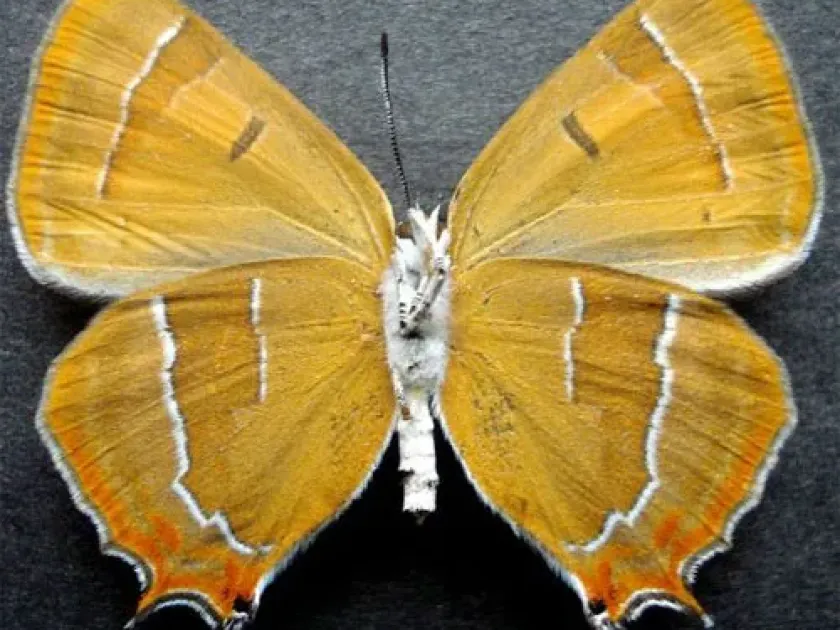
Description
How to identify
The genus Shijimiaeoides belongs to the family Lycaenidae, order Lepidoptera. These are small, day-flying butterflies known as hairstreaks or blues.
Adults are typically characterized by a wingspan of 30–40 mm with a blue, grey, or brown coloration, often featuring specific patterns on the underside of their wings.
The larvae are known for their myrmecophilous behavior, meaning they maintain a symbiotic relationship with specific ant species during their development.
The life cycle follows a complete metamorphosis pattern: egg, larva (caterpillar), pupa (chrysalis), and adult butterfly.
Identification often requires checking the underside wing patterns and the presence of larvae on host plant tissues during the flowering stage.
What it damages
The primary hosts for Shijimiaeoides larvae are leguminous plants, particularly those within the Sophora genus.
The larvae primarily feed on reproductive plant organs, including flower buds, developing flowers, and young seed pods.
This feeding behavior causes significant damage by preventing fruit set and reducing overall crop yields, which is critical for agricultural production.
Larval feeding can lead to premature flower drop and deformation of the remaining reproductive structures.
Secondary infections, such as fungi or bacteria, may invade the damaged plant tissues, further exacerbating the initial injury caused by the larvae.
When it appears
The activity of adult butterflies is observed during the summer months, matching the peak blooming season of their host plants.
The life cycle is closely synchronized with the plant phenology, ensuring larvae have fresh buds and flowers available for consumption.
Overwintering typically occurs in the pupal stage, with insects remaining in the soil or leaf litter until the next season's warmth triggers emergence.
Population surges are often influenced by local climatic conditions, specifically temperature and rainfall patterns during the spring and early summer.
Synchronous emergence allows the population to maximize survival rates by coinciding with the most nutrient-rich stages of the host plant.
Signs of infestation
Key signs include visible holes in flower buds and the presence of consumed petals, which are easily identified upon close inspection.
An unusual concentration of ants on the stems or buds of leguminous plants is a classic indicator of caterpillar presence due to their symbiotic association.
Frass (larval excrement) appearing as small, dark pellets near damaged buds or on the leaves below indicates active larval feeding.
Deformed or withered buds that fail to bloom despite suitable growing conditions are a major sign of internal damage.
- Holes in flower buds.
- Ant activity on plants.
- Accumulation of larval frass.
- Premature flower drop.
Control measures
Effective chemical control includes the use of selective insecticides applied during the early larval development stages to prevent significant damage.
Cultural management practices, such as maintaining weed-free fields and removing alternative host plants, help in reducing the local population.
Biological control methods involve promoting natural enemies, such as parasitic wasps that target Lycaenid larvae.
Monitoring programs using visual assessments during the bud-forming stage are essential to determine if treatment thresholds have been met.
Soil tillage in late autumn can help destroy pupating insects, thereby reducing the overwintering population for the following year.
Taxonomy
- Latin name
- Shijimiaeoides
- Order
- Lepidoptera (butterflies)
- Family
- Lycaenidae
- EPPO code
- SHIJSP
Discussion
No discussions yet — be the first.