
Semiothisa moth
Semiothisa
Description
How to identify
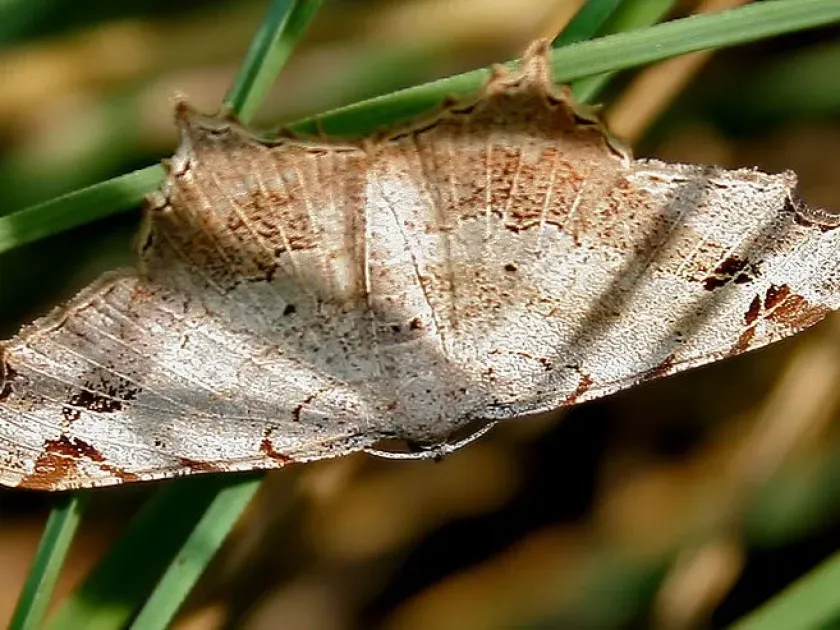
The genus Semiothisa belongs to the Geometridae family, order Lepidoptera. Adult moths typically possess a wingspan and coloration that provides excellent camouflage, allowing them to blend in with dry twigs or bark.
The larvae, often called "inchworms," move by looping their bodies, pulling the rear part toward the front. This distinct movement is a hallmark of the family Geometridae and is essential for identifying the larval stage of Semiothisa.
The pupae of Semiothisa are usually found in the soil or leaf litter, though some species pupate within folded leaves. Their ability to remain dormant during freezing conditions is a key adaptation for overwintering in various temperate climates.
Accurate species-level identification often requires examining the wing venation of the moth or detailed morphological features of the caterpillar under magnification. Distinguishing them from other defoliating insects is critical for implementing targeted control measures.
The life cycle includes egg, five larval instars, pupa, and adult stages. Depending on the climate and latitude, these moths can produce one or several generations per year, which dictates the severity of the infestation and the timing of management efforts.
What it damages
Semiothisa species are generally polyphagous, attacking a wide range of woody and shrubby plants. In forestry and orchard management, they can cause significant damage to fruit trees and various coniferous and deciduous timber species.
Larvae feed extensively on foliage and young shoots. During years of high population density, they can completely defoliate host plants, leaving only the primary veins, which severely hampers the plant's photosynthetic capacity.
Feeding damage to buds and young fruitlets leads to significant crop losses. Furthermore, weakened trees are more susceptible to secondary pests and various fungal pathogens that exploit the damaged plant tissues for entry.
Repeated defoliation over several consecutive seasons leads to premature needle or leaf drop, depletion of carbohydrate reserves in the root system, and eventually, the gradual dieback of mature trees.
In nurseries, the activity of Semiothisa caterpillars can become a critical limiting factor, causing crown deformation and stunted growth, rendering young saplings unsuitable for sale or field planting.
When it appears
Adult flight activity typically occurs during the spring and summer months, coinciding with stable warm temperatures. The moths are predominantly nocturnal or crepuscular, making them difficult to detect without specialized traps.
Larval outbreaks are most frequent in late spring and early summer, aligning with the active vegetative growth of host plants. The timing of larval feeding is perfectly synchronized with the availability of nutrient-rich young tissues.
Population dynamics show clear peaks during the season, often associated with favorable moisture conditions that support rapid larval development. In hot, dry summers, the life cycle of certain generations may accelerate significantly.
Overwintering usually occurs in the pupal stage or, depending on the specific species, as eggs on tree bark. Spring emergence is closely tied to the accumulation of growing degree days in the soil or on the bark surface.
Monitoring seasonal activity using light traps or pheromone lures is essential for predicting the emergence of early larval instars and timing insecticide applications for maximum efficacy.
Signs of infestation
A primary indicator of an infestation is the presence of frass (caterpillar excrement) beneath the tree canopy, appearing as small dark pellets. High concentrations of frass are a reliable sign of a large larval population feeding above.
Visual inspection of the foliage reveals ragged leaf edges or irregular holes. Larvae typically consume the leaf tissue starting from the margins and moving toward the midrib, leading to a characteristic "tattered" appearance.
While leaf rolling or light webbing is not universal for all Semiothisa species, it may occur when they coexist with other leaf-rollers or as a defensive behavior to escape predation.
Detecting the larvae is facilitated by shaking branches over a light-colored sheet. The larvae will drop and often hang on thin silk threads, a behavior that confirms the presence of geometer caterpillars in the canopy.
Increased activity of natural predators, such as birds, predatory bugs, and parasitic wasps, in the crown area serves as a natural indicator of a caterpillar infestation, as these organisms gravitate toward high-density prey areas.
Control measures
Biological control includes the application of products based on Bacillus thuringiensis, which is effective against early larval instars while maintaining safety for beneficial entomofauna and pollinators.
Agrotechnical strategies focus on maintaining tree vigor, including proper pruning and balanced fertilization. Removing leaf litter and disturbing the soil around the base of trees in autumn can help destroy pupae overwintering in the ground.
When populations exceed economic thresholds, chemical insecticides—including pyrethroids, organophosphates, or insect growth regulators—should be applied, ensuring thorough coverage of the canopy foliage.
- Using pheromone traps for mating disruption of adult moths.
- Installing bird boxes to encourage natural predation by insectivorous birds.
- Cleaning tree trunks of moss and lichens to reduce overwintering sites.
It is vital to rotate chemical modes of action to prevent the development of pesticide resistance in the population, always adhering to local regulations regarding honeybee safety and environmental protection.
Taxonomy
- Latin name
- Semiothisa
- Order
- Lepidoptera (butterflies)
- Family
- Geometridae
- EPPO code
- SEMOSP
Discussion
No discussions yet — be the first.