
Semioscopis
Semioscopis
Description
How to identify
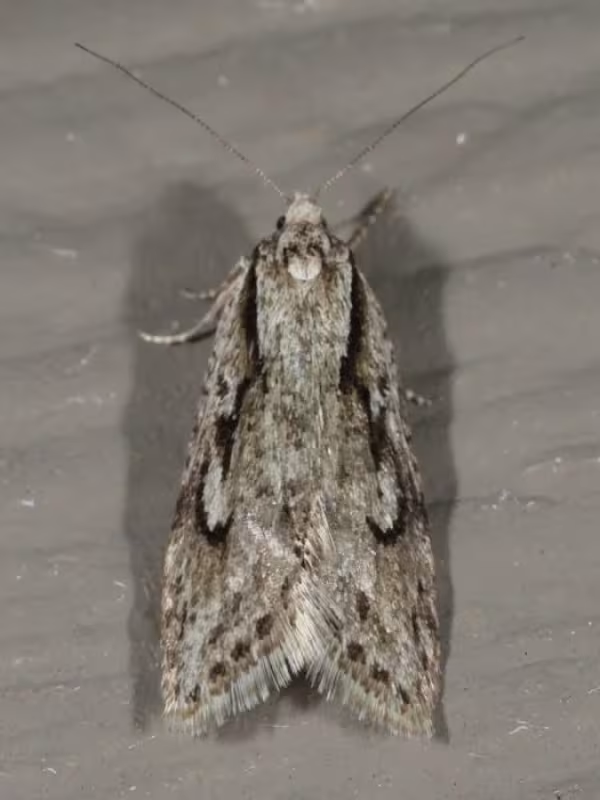
Semioscopis is a genus of moths belonging to the family Depressariidae (flat moths). These small insects typically have a wingspan ranging from 20 to 30 mm. Their coloration is cryptic, usually displaying shades of grey or light brown, which provides excellent camouflage against tree bark.
When resting, these moths fold their wings flat against their body, forming a shape that resembles a small piece of wood or bark. Because they are nocturnal, they are rarely seen during the day, making them challenging to detect without specialized equipment or night-time observations.
The larvae, or caterpillars, have a slender body, often pale green or yellowish with subtle markings. This coloration allows them to blend in with young, succulent foliage, where they spend most of their time feeding.
A key diagnostic feature of the larvae is the presence of fine setae (hairs) on their bodies, which assist in movement and anchoring within the silk webs they construct. These webs are a clear indicator of their presence within the canopy.
Professional identification often involves the use of light traps to attract the adult moths. Monitoring flight periods through these traps is essential for understanding the local population density and timing of emergence.
What it damages
This pest primarily attacks various deciduous trees and shrubs, including birch, aspen, and certain fruit-bearing species. The larvae cause the most damage in early spring by feeding on swelling buds and newly developed leaves.
In cases of high infestation, Semioscopis can cause significant defoliation. Damage to the buds prevents proper shoot development, which weakens the tree and significantly reduces fruit or nut production in orchards.
As the larvae feed, they pull leaf edges together using silk threads, creating protective shelters or "tunnels." This behavior protects them from predators and environmental stress while they consume the leaf tissue.
Persistent infestation leads to overall tree decline, making the plants more susceptible to secondary pests and fungal infections. In parklands or urban settings, this detracts from the aesthetic value of the trees.
Young saplings in nurseries are particularly vulnerable. A heavy infestation can lead to stunted growth or even the mortality of the young plants if not managed effectively during the critical spring growth phase.
When it appears
The life cycle of Semioscopis is closely synchronized with the phenology of its host plants. Adult moths emerge in early spring, precisely when temperatures begin to rise and trees start to develop buds.
Caterpillars typically appear from April to May, coinciding with the rapid growth of foliage. During this period, they are extremely active and consume significant amounts of plant material to fuel their development.
After completing their feeding cycle, the larvae move to the soil or crevices in the tree bark to pupate. The pupal stage is quite long, lasting throughout the summer and autumn months as the insect remains in diapause.
Overwintering occurs exclusively in the pupal stage. This stage is highly resistant to cold weather, allowing the species to survive harsh winters and emerge promptly when the next spring arrives.
The species is monocyclic, meaning it has only one generation per year. While this limits the rate of population increase, the synchronization with the plant's most vulnerable growth period makes it a significant horticultural concern.
Signs of infestation
The earliest signs of an infestation include damaged or hollowed-out buds that fail to open correctly. Observing small, dried-up buds in early spring is a warning sign of larval activity.
Visible webbing on the tips of branches is a definitive indicator of Semioscopis activity. These silk structures are often accompanied by curled or skeletonized leaves, revealing the larvae inside.
Small black droppings (frass) found on the leaves or branches below the feeding site indicate the presence of larvae higher up in the canopy. This "frass trail" is a reliable sign for identifying the zone of damage.
Thinning of the crown is noticeable as the season progresses. The canopy may appear uneven or "ragged" due to the localized consumption of leaf tissue, leading to premature leaf drop in severe cases.
In the evening, one might detect adult moths resting on the trunks of host trees. Using a flashlight after sunset can help confirm their presence before the caterpillars cause visible damage to the foliage.
Control measures
Effective management requires a proactive approach aimed at catching the pest before the larvae become too well-protected within their leaf shelters.
- Applying insecticides during the bud-burst stage to target early-instar larvae before they create silk nests.
- Using bio-rational pesticides containing Bacillus thuringiensis, which are effective against young larvae while being safer for non-target species.
- Manual removal and destruction of infested leaves and shoots on young or small-sized trees.
- Encouraging natural predators, such as insectivorous birds and parasitic wasps, by creating suitable habitats within the garden.
- Cultivating the soil beneath the trees in late autumn to expose and destroy overwintering pupae.
Chemical applications should be timed carefully to avoid harming pollinators. It is recommended to use selective products that have a minimal impact on beneficial insects whenever possible.
The use of pheromone traps for monitoring is highly recommended to determine the exact timing of adult emergence, allowing for the precise application of control measures only when necessary.
Combining cultural practices, such as removing debris, with targeted monitoring ensures that the Semioscopis population remains below the economic threshold, protecting both tree health and aesthetic appeal.
Taxonomy
- Latin name
- Semioscopis
- Order
- Lepidoptera (butterflies)
- Family
- Depressariidae
- EPPO code
- SMOSSP
Discussion
No discussions yet — be the first.