
Parsnip moth
Agonopterix liturosa
Description
How to identify
The parsnip moth (Agonopterix liturosa) is a species of the family Depressariidae, known for its ability to damage various plants of the Apiaceae family.
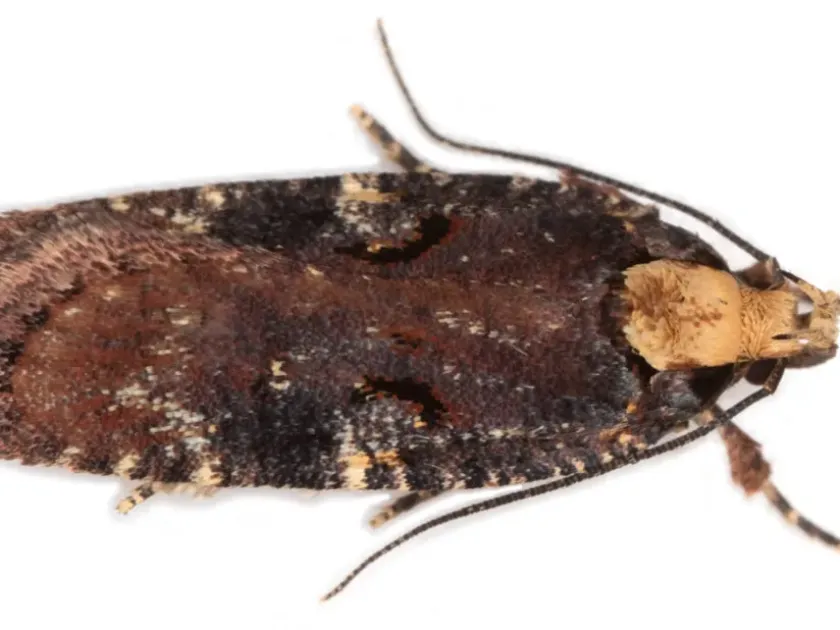
The adult moth is a small insect with a wingspan of approximately 15–20 mm, characterized by mottled brownish forewings that mimic dried vegetation.
The larvae are active caterpillars, typically pale green with a dark head capsule, which allows them to blend in with the foliage they consume.
The life cycle undergoes complete metamorphosis, consisting of the egg, larval, pupal, and adult stages, with timing heavily dependent on local climate.
This species is highly resilient, overwintering as an adult in sheltered locations such as leaf litter, tree bark, or near field edges.
What it damages
Damage is primarily caused by the larvae, which feed extensively on the foliage, stems, and flower heads of host plants.
Host crops commonly affected include carrots, parsley, dill, parsnips, and various wild species within the Apiaceae family.
Larval feeding causes skeletonization of leaves, stunted growth, and destruction of the developing umbels, which reduces seed yield.
In addition to direct damage, the larvae create webbed nests on the plants, which can cause secondary physiological stress to the host.
The resulting physical damage often exposes the plant tissue to subsequent opportunistic infections by fungi and bacteria.
When it appears
Adult moths typically emerge from overwintering sites in early spring as temperatures begin to rise consistently.
The life cycle continues throughout the growing season, with larvae being most active during the vegetative and reproductive phases of crops.
Depending on the region, the moth may complete one or two generations within a single growing season.
The most significant damage is observed during the flowering stage when larvae feed directly on the umbels.
As autumn approaches, the adults seek protected areas to enter diapause, marking the transition to the wintering phase.
Signs of infestation
The presence of fine webbing on leaves and flower stalks is the most definitive sign of a parsnip moth infestation.
Damaged leaves often appear rolled or tightly bound together by silk threads, indicating the presence of a larva inside.
Black or dark brown frass (larval excrement) is often visible near the feeding sites on the umbels or leaf bases.
Plants may show reduced vitality, with deformed or wilted flower heads failing to produce healthy seeds.
Careful inspection of the growing tips and leaf axils usually reveals the presence of larvae or their discarded skins.
Control measures
Cultural control measures include crop rotation and the removal of alternative wild host plants near the growing area.
Maintaining high field hygiene by clearing debris and residues helps eliminate overwintering sites for the adults.
If economic thresholds are exceeded, targeted applications of approved insecticides can effectively reduce larval populations.
Biological control, such as the use of microbial pesticides or preserving natural enemies, is encouraged in integrated pest management programs.
Monitoring using traps or visual field inspections is crucial for timely decision-making regarding protective interventions.
Taxonomy
- Latin name
- Agonopterix liturosa
- Order
- Lepidoptera (butterflies)
- Family
- Depressariidae
- EPPO code
- AGOXLI
Discussion
No discussions yet — be the first.