
Acria
Acria
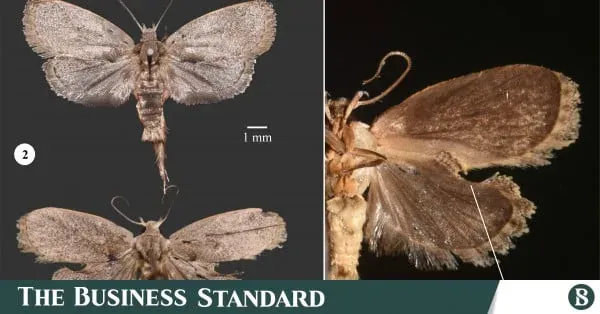
Description
How to identify
The genus Acria belongs to the family Depressariidae, which comprises small moths. These insects are often characterized by subtle coloration that provides camouflage against tree bark or leaves.
The adults, or imago, are primarily nocturnal, making them difficult to detect during standard daytime visual inspections of orchards or landscapes.
The larvae are the destructive stage of this pest. They possess strong mandibles capable of consuming leaf tissue efficiently during their developmental phases.
Their life cycle includes complete metamorphosis: egg, larva, pupa, and adult, with each stage adapted to specific environmental variables.
Taxonomic classification within this group is often refined through advanced entomological research, reflecting the diversity and complexity of these moths.
What it damages
Acria species primarily damage woody plants and shrubs, potentially causing economic impact in horticultural settings and nurseries.
The larvae feed on leaves, often skeletonizing them or tying them together with silk to create protective shelters, which disrupts photosynthesis.
Severe infestations lead to premature leaf drop and can weaken the tree's vigor, reducing its ability to withstand winter stresses.
Young shoots and buds are frequently attacked, which stunts plant growth and significantly diminishes the aesthetic or yield value of the host.
Injuries caused by larval feeding often serve as entry points for pathogens, potentially leading to secondary fungal or bacterial issues.
When it appears
Adult moths typically emerge during the late spring and summer months, with their activity dictated by ambient temperatures and humidity levels.
The larval stages are most active during the peak vegetative growth season, synchronizing their feeding with the availability of succulent new tissue.
Overwintering usually occurs in the pupal or larval stage, utilizing protected niches like bark crevices or sheltered leaf litter.
Multiple generations may occur within a single growing season, particularly in warmer climates, leading to prolonged infestation risks.
Monitoring for population peaks is crucial, as environmental conditions can accelerate development cycles and increase the pressure on host plants.
Signs of infestation
The presence of silken webs binding leaves together is a primary indicator that Acria larvae are active on the host plant.
Visual inspection often reveals deformed, curled, or skeletonized leaves, frequently littered with larval frass (excrement).
Affected plant parts may appear wilted or discolored due to the destruction of internal tissues by the feeding larvae.
- Silken webs on branch tips.
- Curled or tied leaves.
- Visible holes or skeletonized leaf tissue.
Stunted growth or dieback of terminal shoots during the mid-summer period is a classic sign of internal or heavy larval infestation.
Control measures
Cultural control practices, such as the pruning and destruction of infested foliage, help reduce local population density significantly.
Biological control using microbial insecticides based on Bacillus thuringiensis is highly effective against young larvae without harming beneficial insects.
Chemical control measures should be timed to coincide with egg hatch or early larval stages to maximize efficacy and minimize crop damage.
Pheromone traps are essential for monitoring adult activity, allowing growers to make data-driven decisions regarding the timing of insecticide applications.
Encouraging the presence of natural predators and parasitoids can provide sustainable, long-term suppression of pest populations in managed environments.
Taxonomy
- Latin name
- Acria
- Order
- Lepidoptera (butterflies)
- Family
- Depressariidae
- EPPO code
- AQRISP
Discussion
No discussions yet — be the first.