
Scotorythra paludicola
Scotorythra paludicola
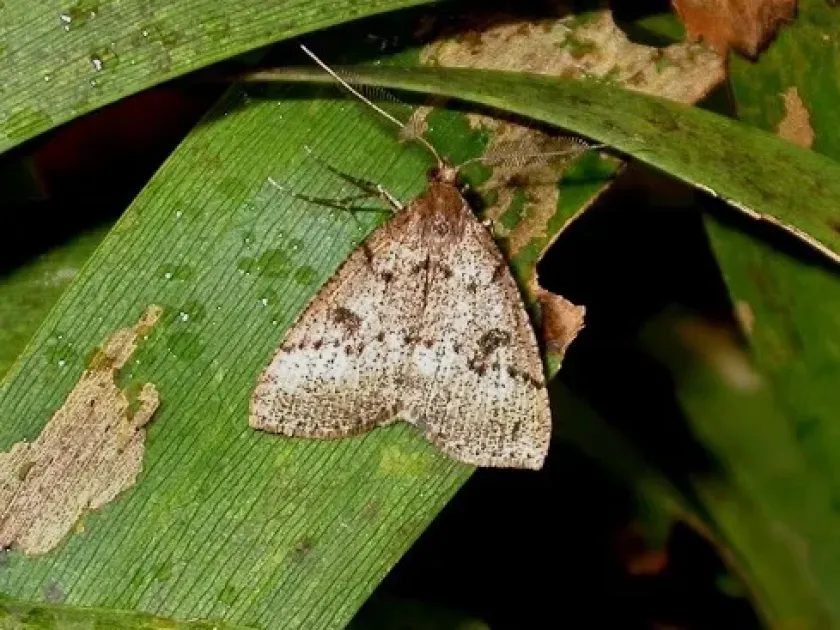
Description
How to identify
Scotorythra paludicola is a species of moth belonging to the Geometridae family, within the order Lepidoptera. It is native to the Hawaiian Islands, specifically adapted to high-elevation forest environments.
The adult moth features cryptic coloration that blends perfectly with the bark of native trees, serving as a highly effective camouflage against avian predators during the day.
The larval stage, or caterpillar, is known for its variable appearance, which allows it to mimic twigs or leaf textures, providing protection while it feeds on host plants.
Developmental stages are closely linked to the seasonal phenology of the host flora. The species undergoes complete metamorphosis, passing through egg, larva, pupa, and adult stages.
Scientific identification usually requires specialized entomological study, as many species within the Scotorythra genus share similar morphological traits.
What it damages
The primary host plant for Scotorythra paludicola is the Koa tree (Acacia koa), a culturally and ecologically significant hardwood species in Hawaii.
The larvae are responsible for the damage, as they consume leaf tissue, which can lead to significant defoliation of the canopy during population outbreaks.
Severe defoliation reduces the photosynthetic capacity of the Koa trees, resulting in slowed growth rates and a weakened physiological state for the affected trees.
Cumulative damage over several seasons can reduce the overall health of forest patches, potentially hindering the natural regeneration of the species.
Weakened trees become susceptible to secondary infections, such as fungal pathogens, which can exacerbate the damage caused by the initial insect feeding.
Signs of infestation
Evidence of infestation is usually found through the inspection of leaf edges, which exhibit irregular, chewed patterns characteristic of caterpillar feeding.
Frass (larval excrement) accumulation on the forest floor or on lower leaves is a clear indicator of active feeding activity within the canopy layers.
The presence of fine silk threads, used by the larvae for movement between branches or to reach the ground, often signals a high population density.
Careful examination of leaf surfaces and branch joints can reveal the presence of larvae that remain motionless to avoid detection.
- Irregularly notched or consumed leaf margins.
- Visible larval droppings on the plant surface.
- Silk webbing visible among the foliage and terminal shoots.
Control measures
Managing Scotorythra paludicola requires a balanced approach, focusing on maintaining forest health rather than aggressive chemical interventions.
In managed forestry or nursery settings, the application of biological insecticides like Bacillus thuringiensis is highly effective against larvae while being safe for non-target species.
Implementing monitoring programs using pheromone traps allows land managers to detect early population spikes and implement timely, low-impact control measures.
Conservation of native parasitoids, including specific species of parasitic wasps, is essential for maintaining natural biological control of the moth population.
Pruning and removal of heavily infested twigs in small-scale plantings can help limit the spread of the larvae to neighboring healthy trees.
Taxonomy
- Latin name
- Scotorythra paludicola
- Order
- Lepidoptera (butterflies)
- Family
- Geometridae
- EPPO code
- SCORPA
Discussion
No discussions yet — be the first.