
Scotorythra
Scotorythra
Description
How to identify
Scotorythra is a genus of moths belonging to the family Geometridae. Most species in this genus are native to the Hawaiian Islands and exhibit unique adaptations to the local environment.
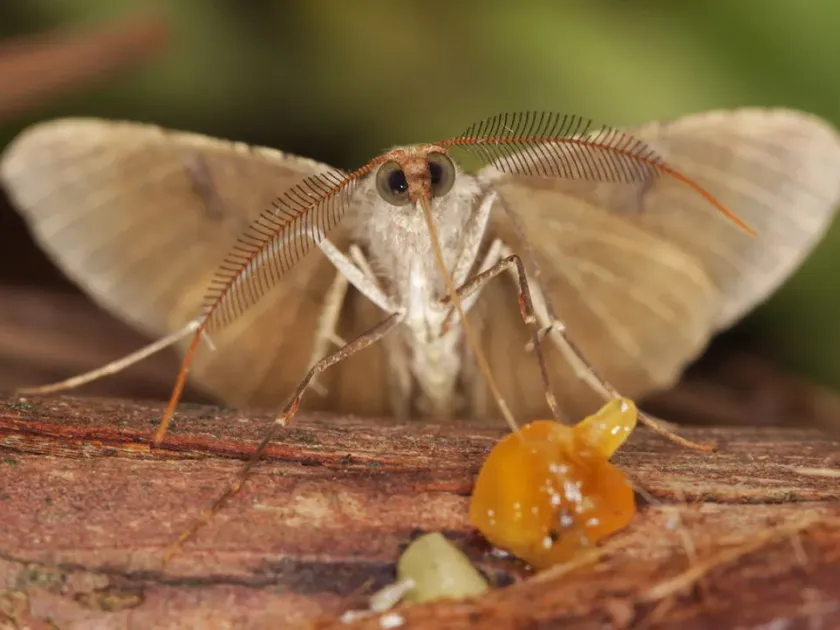
The adult moths are typically small and cryptic, possessing wing patterns that allow them to blend into the bark of trees, effectively avoiding detection during the day.
The larvae, known as loopers, exhibit remarkable mimicry by assuming the shape, color, and posture of twigs or leaf petioles, making them difficult to spot.
Their life cycle consists of four distinct stages: egg, larva, pupa, and adult. Population dynamics are highly dependent on humidity levels and the availability of specific host plants.
Identification of the specific species within the genus is complex due to their morphological similarity, often requiring expertise or genetic analysis for precise classification.
What it damages
The genus Scotorythra primarily targets native woody plants, with Acacia koa being one of the most significant and economically important hosts in Hawaiian forests.
The larvae are active defoliators that feed on leaf tissue, often consuming the entire lamina while leaving only the tougher veins, which severely impacts the plant's photosynthetic ability.
Outbreaks of these moths can lead to extensive defoliation, stressing the trees and potentially causing significant growth reduction over time.
Severe infestations reduce the aesthetic and ecological value of forests, making trees more susceptible to secondary stressors like drought or opportunistic pathogens.
Repeated damage to young buds and developing foliage hinders the normal development of juvenile trees, impacting the regeneration of the forest canopy.
Signs of infestation
The most evident sign of a Scotorythra infestation is the presence of skeletonized leaves and irregularly notched leaf edges throughout the canopy.
Large amounts of frass (larval excrement) appearing as small, dark pellets on the forest floor beneath the trees indicate heavy larval activity in the upper canopy.
Close inspection of the branches may reveal the loopers themselves, often found in a rigid, extended posture mimicking a dead twig to evade predators.
Increased activity of natural predators, such as birds or predatory wasps, around specific trees can often serve as an early warning sign of a localized larval outbreak.
Premature leaf drop is another common indicator, resulting from the cumulative damage to the leaf tissues caused by intense feeding by multiple generations of larvae.
Control measures
Biological control methods are the preferred approach for managing Scotorythra, focusing on the preservation and augmentation of native parasitoids and predators.
Bio-insecticides based on Bacillus thuringiensis have proven effective in reducing larval populations during severe outbreaks without disrupting the native ecological balance.
Integrated Pest Management (IPM) strategies include the use of light traps to monitor moth activity and timing the application of biological agents to the most vulnerable larval stages.
Maintaining the overall health of the forest through proper environmental management is crucial to reducing the susceptibility of host trees to heavy moth infestations.
Strict biosecurity protocols regarding the movement of plant materials are essential to prevent the spread of these moths to non-infested areas or new habitats.
Taxonomy
- Latin name
- Scotorythra
- Order
- Lepidoptera (butterflies)
- Family
- Geometridae
- EPPO code
- SCORSP
Discussion
No discussions yet — be the first.