
Lesser Wave Moth
Scopula minorata
Description
How to identify
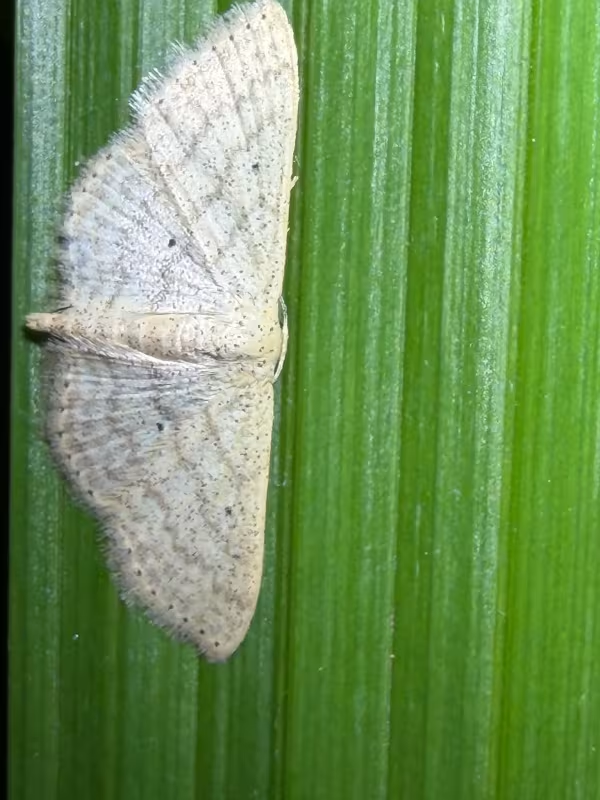
The Lesser Wave Moth (scientifically known as Scopula minorata) belongs to the Geometridae family, order Lepidoptera. These moths are relatively small and possess the characteristic body shape typical of the Geometer moths.
Adult moths exhibit a subtle coloration, which allows them to camouflage effectively against vegetation during the daylight hours. Their wings often display shades of ochre, yellow, or grey with distinctive transverse lines.
The larvae, known as inchworms or loopers, exhibit a unique locomotion method. By pulling the rear of the body toward the thoracic legs, they form a characteristic loop, which is the signature trait of this insect family.
The species undergoes complete metamorphosis: egg, larva, pupa, and adult. Each developmental stage is highly adapted to specific environmental conditions, ensuring the survival of the population in various habitats.
They are typical inhabitants of open spaces, frequently encountered in fields and grasslands, where they find suitable host plants for egg-laying and larval development.
What it damages
The larvae of Scopula minorata primarily feed on the foliage of various herbaceous plants. In agricultural settings, they can infest legumes and certain weed species that act as reservoirs for the pest.
Damage is caused by larvae consuming leaf tissue, resulting in irregular holes or notched leaf margins. Significant defoliation can occur if larval density is high, leading to substantial damage to green mass.
Beyond direct leaf consumption, the damage reduces the plant's overall photosynthetic capacity, negatively impacting growth rates and final crop yields. Stressed plants also become more susceptible to secondary pathogens.
The most severe damage is observed during mass reproduction periods, when the intensity of larval feeding increases significantly, potentially affecting large areas of crops within a short timeframe.
Additionally, contamination of plant tissues by larval frass decreases the quality of produce, which is particularly critical for leafy crops intended for fresh consumption or market sale.
When it appears
The activity of Scopula minorata commences with the arrival of stable, warm temperatures in spring, which triggers the emergence of overwintering adults.
The flight period of these moths is typically extended, reflecting the development of multiple generations throughout a single growing season. Larval activity usually peaks in mid-summer.
The development of the moth is highly correlated with temperature; hot and dry weather conditions contribute to faster reproduction rates and higher population density in agroecosystems.
As autumn approaches and temperatures decline, insect activity decreases, and the pest enters a diapause state. Overwintering usually occurs in the larval or pupal stage within the soil or plant debris.
Understanding these seasonal peaks is essential for farmers to plan protective interventions and apply control measures at the stages when the larvae are most vulnerable to treatment.
Signs of infestation
The first indicator of infestation is the appearance of small holes or notched edges on the leaves, which expand as the larvae continue to grow and feed.
During morning or evening inspections, larvae can often be found on the undersides of leaves or along stems, as they utilize their protective coloration to blend into the plant structure.
The presence of fine webbing or larval excrement on leaf surfaces also serves as a reliable indicator of the moth's presence and active feeding on the crop.
In areas of heavy infestation, plants may show visible signs of stunted growth, premature yellowing, and general wilting, which are detectable during field surveys.
Increased numbers of moths fluttering up when vegetation is disturbed or touched can indicate the beginning of an active reproduction cycle and warrant closer field monitoring.
Control measures
Effective management includes rigorous weed control around field perimeters, as these areas often serve as primary breeding grounds for Geometrid moths.
Deep fall tillage is an effective cultural practice, as it helps destroy overwintering pupae in the soil, disrupting the pest's life cycle and reducing the population for the next season.
If population levels exceed economic thresholds, the application of biological insecticides based on Bacillus thuringiensis is recommended, as they are effective against young larvae while remaining environmentally friendly.
Chemical insecticides should only be used as a last resort when the risk of significant crop loss is high, ensuring strict adherence to pre-harvest intervals for all treated products.
- Implement diverse crop rotation.
- Monitor populations using light traps.
- Encourage the presence of natural predators and parasitoids.
Taxonomy
- Latin name
- Scopula minorata
- Order
- Lepidoptera (butterflies)
- Family
- Geometridae
- EPPO code
- SCOUMI
Discussion
No discussions yet — be the first.