
Grey Scalloped Moth
Scopula luridata
Description
How to identify
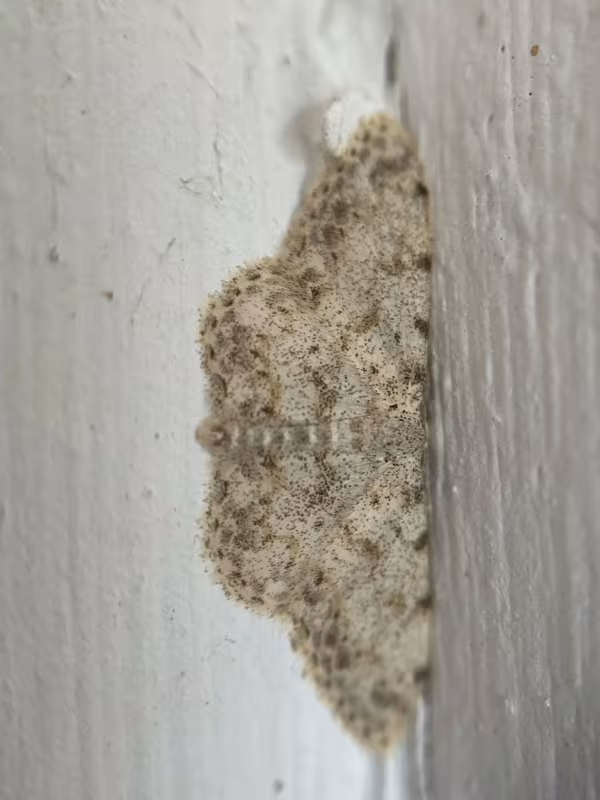
Scopula luridata, commonly known as a type of wave moth, belongs to the family Geometridae within the order Lepidoptera. These moths are generally small, often overlooked due to their camouflaging appearance.
Adult moths typically have a wingspan ranging from 20 to 25 mm. Their wing patterns consist of subtle greyish or brownish shades, which perfectly blend with tree bark or dried foliage.
The larvae, known as loopers or inchworms, move by arching their bodies. This unique locomotion is a hallmark of the Geometridae family and helps them remain inconspicuous while feeding.
Throughout their lifecycle, they pass through several larval instars, with the duration of development heavily dependent on ambient temperature and food availability.
These moths are primarily nocturnal or crepuscular, meaning they are most active during the twilight hours, which makes observing them during the day quite difficult.
What it damages
The larvae of Scopula luridata are polyphagous, feeding on a wide variety of plant tissues. While they often prefer wild vegetation, they can occasionally shift to agricultural crops.
Feeding damage typically manifests as irregular holes or skeletonized leaves, where the soft tissue is consumed, leaving only the complex vein structure intact.
Such damage significantly reduces the plant's capacity for photosynthesis, leading to stunted growth, loss of vigor, and potentially reduced harvest yields.
During outbreaks, large numbers of larvae can rapidly defoliate younger plants, leaving them vulnerable to environmental stress and secondary pathogen attacks.
Wounds caused by larval feeding serve as primary entry points for various fungi and bacteria, which can lead to further decay and localized necrosis.
Signs of infestation
One of the most obvious signs of infestation is the presence of irregular notches or large holes in the leaves during the peak of the growing season.
Small dark pellets of frass (larval excrement) found on leaves or at the base of the plant are a clear indicator that larvae are actively feeding nearby.
During the day, larvae may be found resting on the undersides of leaves or along stems, often holding themselves rigid to mimic a small twig.
In cases of high infestation, you might notice an unusual amount of spider-like webbing or silk threads used by the larvae to secure themselves while molting.
Premature leaf drop or yellowing of the foliage, even when water and nutrient levels are sufficient, should prompt a search for larvae on the affected plants.
Control measures
Cultural control is essential, focusing on the removal of weed hosts in and around the cultivated area to disrupt the life cycle of the moth.
Biological control methods, such as the application of Bacillus thuringiensis sprays, are highly effective against young larvae while remaining safe for beneficial insects.
For more severe cases, targeted use of contact insecticides can be applied during the early stages of larval development to achieve maximum suppression.
Regular monitoring of the garden using pheromone traps or light traps can help identify the timing of adult flight, allowing for better-planned control actions.
Soil cultivation in autumn can expose pupae hiding in the topsoil to predators and cold temperatures, significantly reducing the population for the following spring.
Taxonomy
- Latin name
- Scopula luridata
- Order
- Lepidoptera (butterflies)
- Family
- Geometridae
- EPPO code
- SCOULU
Discussion
No discussions yet — be the first.