
Scopula decorata
Scopula decorata
Description
How to identify
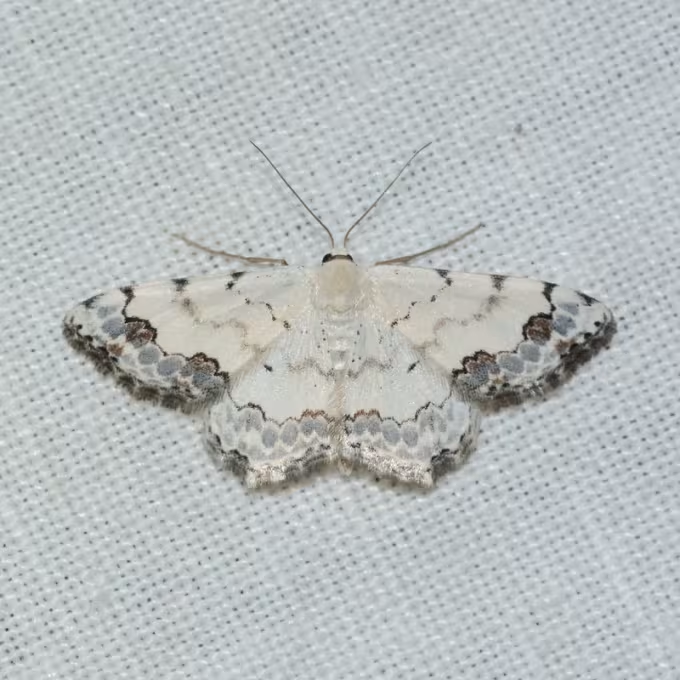
Scopula decorata is a moth belonging to the family Geometridae. These moths are generally small, with a wingspan typically ranging from 18 to 22 millimeters.
The wings exhibit a brownish-grey or ochre coloration, often featuring distinct transverse lines and a small dark central spot on each wing, providing excellent camouflage.
The larvae, known as inchworms or loopers, possess the characteristic body structure of the Geometridae family, moving by looping their bodies forward.
Adult moths are primarily nocturnal or crepuscular, spending the daylight hours resting on vegetation where their color pattern blends perfectly with the background.
Pupation usually occurs in the soil or within leaf litter, where the pupae remain protected until they emerge as adult moths in the following season.
What it damages
The primary damage is caused by the caterpillars, which feed on the foliage of various herbaceous plants, including those in the Lamiaceae family.
Heavy infestations can lead to significant defoliation, reducing the plant's photosynthetic capacity and hindering its overall growth and vigor.
Feeding larvae often start by creating small holes in the leaf surface, eventually progressing to consuming larger areas, which can leave plants weakened and stunted.
In herb gardens or commercial crops, the loss of foliage can impact both the aesthetic quality and the essential oil yield of the affected plants.
Plants weakened by larval feeding become more susceptible to secondary stressors, including drought, nutrient deficiencies, and pathogenic infections.
When it appears
The lifecycle of Scopula decorata is influenced by climatic conditions, with the species completing one or more generations per year depending on the region.
Adult moths typically appear in late spring and early summer, actively seeking suitable host plants to deposit their eggs.
Larval activity is most intense during the summer months when foliage is abundant and the conditions for rapid development are optimal.
Overwintering usually takes place in the larval stage, with the insects seeking shelter in protected areas such as soil crevices or under plant debris.
Monitoring the population throughout the spring and early summer is crucial for predicting potential outbreaks and implementing control measures at the right time.
Signs of infestation
Visible signs of infestation include irregular holes or chewed edges on the leaves, which are the direct result of caterpillar feeding habits.
The presence of frass (caterpillar excrement) on the leaves or at the base of the plant is a strong indicator of an active population of larvae.
Some larvae may use silk threads to bind leaves together, creating small, concealed shelters that protect them from predators and environmental exposure.
Stunted growth or wilting of individual stems may occur if the larvae have consumed a significant portion of the leaf tissue supporting those sections.
Careful inspection of the undersides of leaves, especially during the cool parts of the day, is necessary to locate the caterpillars effectively.
Control measures
Good agricultural practices, such as removing weeds and cleaning up plant debris, help to eliminate potential breeding sites and wintering shelters.
Tilling the soil in the autumn or early spring can disrupt the pupal stage, effectively reducing the number of moths that will emerge in the new season.
Light traps can be utilized during the moth flight period to reduce the adult population and subsequently minimize the number of eggs laid.
Biological control agents, including bacterial-based sprays, provide an environmentally friendly option for managing caterpillar populations during their younger stages.
Chemical control should be used as a last resort, ensuring that selected insecticides are effective against the specific life stage of the pest while minimizing impact on pollinators.
Taxonomy
- Latin name
- Scopula decorata
- Order
- Lepidoptera (butterflies)
- Family
- Geometridae
- EPPO code
- SCOUDE
Discussion
No discussions yet — be the first.