
Scopula
Scopula
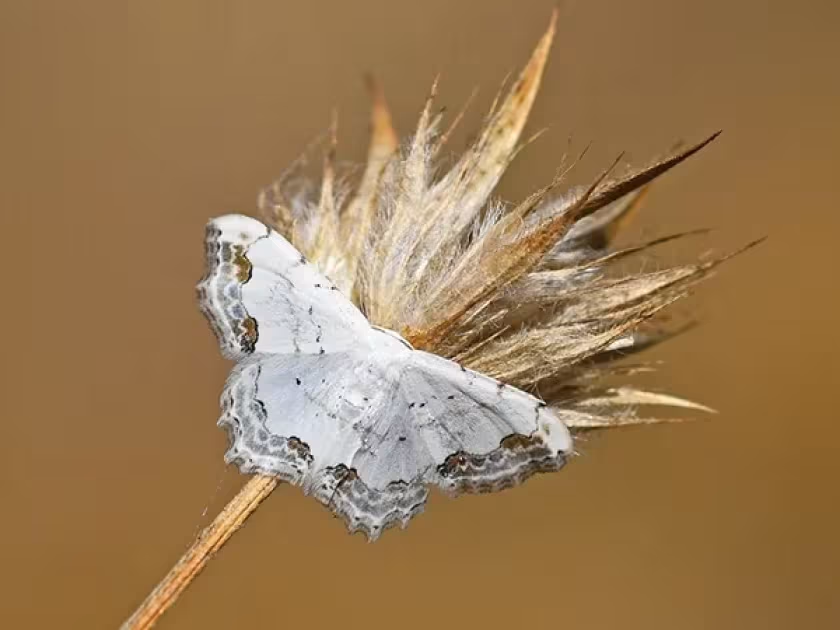
Description
How to identify
The genus Scopula belongs to the family Geometridae. These moths are characterized by slender bodies and broad wings, which are typically held flat against the surface while the insect is at rest.
The larvae, or caterpillars, usually have a slender body shape. They typically complete two to three generations per season. Their coloration often provides excellent camouflage against leaves and stems, making them difficult to spot during initial field inspections.
Species identification often requires microscopic examination of the genitalia, as the adults of many species within the Scopula genus look remarkably similar. In agronomy, focusing on identifying the larvae is more practical for crop management.
The life cycle includes four stages: egg, larva (caterpillar), pupa, and adult. Most species in this genus overwinter as pupae, either in the soil or protected within plant debris, which allows them to survive low winter temperatures.
Adult moths are primarily crepuscular or nocturnal. They deposit their eggs on the underside of host plant leaves or directly onto the soil near suitable food sources for the emerging larvae.
What it damages
Scopula larvae are polyphagous, meaning they feed on a wide variety of cultivated plants, including vegetables, berries, and ornamental crops. They cause the most significant damage to the foliage of young plants.
Feeding damage typically involves skeletonizing leaves, where larvae consume the soft tissue while leaving the tougher veins intact. Under high infestation pressure, they can strip leaves entirely, severely reducing the plant's photosynthetic capacity.
In addition to leaves, some species may feed on flower buds, young shoots, or developing fruit, which significantly impacts crop yield and marketable quality.
Plants damaged by Scopula are weakened, becoming more susceptible to secondary infections such as fungal or bacterial pathogens. The damage to plant tissues also leads to increased transpiration and moisture loss.
In both greenhouse and open-field production, high caterpillar populations can result in 30-50% crop loss if effective control measures are not implemented early in the infestation cycle.
When it appears
The first adult emergence occurs in spring once soil temperatures rise, allowing pupae to exit diapause. Activity continues throughout the growing season, depending on the specific region and climate.
The second generation of larvae is usually the most numerous and causes the most severe damage to crops in mid-summer, coinciding with the peak vegetative growth stage of most agricultural plants.
Weather conditions significantly affect the pest's development: a wet spring promotes early emergence, while hot summer weather accelerates the larval stages, often leading to rapid population explosions.
As autumn approaches, development slows, and the pest prepares for hibernation by seeking shelter in the soil or plant debris. Autumn soil cultivation is essential during this period to disrupt their overwintering habitat.
Pest monitoring should begin in May, utilizing pheromone traps to track adult moth activity, which helps determine the optimal timing for implementing protective interventions.
Signs of infestation
The first indicator of an infestation is the appearance of small "windows" or translucent spots on leaves, which gradually develop into larger holes as the larvae grow and consume more tissue.
- Presence of frass (small black or dark green pellets) on leaf surfaces beneath feeding sites.
- Curled or partially eaten young leaves with ragged, uneven edges.
- The visual presence of caterpillars on the underside of leaves, especially when inspected during early morning or late evening hours.
- Reduced vigor and stunted plant growth, even in the absence of obvious disease symptoms.
Upon close inspection, one may notice fine silk threads used by certain species of larvae to anchor themselves to the leaf surface or to create simple protective shelters against predators and weather.
Control measures
Agronomic practices include regular deep fall tillage, which helps destroy overwintering pupae by exposing them to predators and harsh environmental conditions that lead to mortality.
Effective weed management is crucial, as weeds serve as alternative hosts and reservoirs for the pest at the beginning of the season. Removing crop residues immediately after harvest eliminates vital food sources and overwintering sites.
Biological control agents, such as formulations containing Bacillus thuringiensis, are highly effective against young larvae and provide an environmentally friendly alternative to chemical pesticides.
When the economic threshold is reached, chemical insecticides such as pyrethroids or organophosphates may be necessary, provided that harvest intervals and safety guidelines are strictly followed.
In greenhouse settings, the use of natural enemies like Trichogramma wasps or predatory bugs can successfully keep the Scopula population under control without the need for intensive chemical applications.
Taxonomy
- Latin name
- Scopula
- Order
- Lepidoptera (butterflies)
- Family
- Geometridae
- EPPO code
- SCOUSP
Discussion
No discussions yet — be the first.