
Sciapus
Sciapus
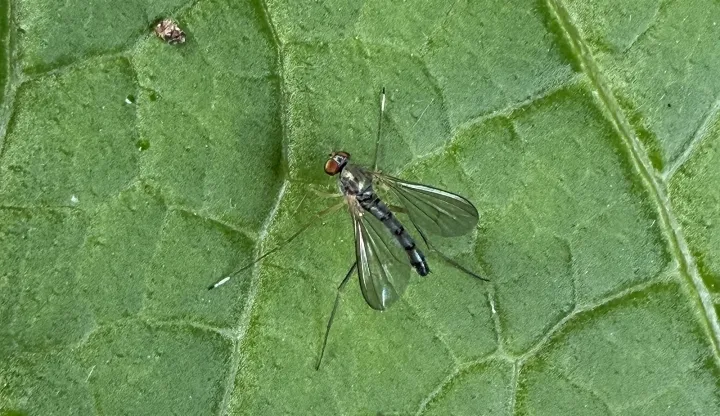
Description
How to identify
Sciapus is a genus of flies belonging to the family Dolichopodidae, commonly known as long-legged flies. These are small, often metallic-colored insects that are easily recognized by their slender bodies and characteristic resting position with wings held at specific angles.
The adults are distinguished by their thin, elongated legs and iridescent coloration, which frequently ranges from bright green to bronze. This metallic luster is a key diagnostic feature for the family in general.
Accurate identification to the species level in the field is challenging, as the genus Sciapus contains many morphologically similar members. Experts rely on male genitalia structures and wing venation patterns for precise classification.
The biology of these insects is deeply linked to humid microhabitats. They are typically found in moist environments such as forest edges, near bodies of water, and in gardens with dense foliage and lush ground cover.
While many members of the Dolichopodidae family are considered beneficial predators, certain species within the genus exhibit feeding habits that can be detrimental to specific cultivated plants, categorizing them as potential pests.
What it damages
Sciapus can affect a variety of vegetable and fruit crops, particularly those grown under conditions of high soil and air humidity. Significant damage is usually observed during periods of high population density.
The larvae represent the most significant threat, as they develop in the soil or decaying plant debris, where they feed on the root systems of young plants. This causes the host plant to lose vigor and stunts its overall development.
Adult flies may also cause injury by damaging delicate tissues of leaves and flower buds while feeding on sap or during the oviposition process. Such wounds often facilitate the entry of secondary fungal and bacterial pathogens.
In commercial agriculture, infestation can reduce the marketable quality of the produce. Young seedlings in nurseries are particularly vulnerable, as damage to the root system can jeopardize their establishment and survival.
While their status as a major pest remains moderate, localized outbreaks during favorable weather conditions can lead to noticeable harvest losses in specific areas if left unmanaged.
When it appears
The activity level of Sciapus is highly dependent on temperature and moisture levels during the spring and summer months. The appearance of the first adults typically coincides with the blossoming of major orchard crops.
Population peaks are generally recorded in mid-summer when conditions are warm and humid. This period is marked by increased metabolic activity and intensive reproductive cycles.
The life cycle consists of several stages: egg, three larval instars, pupa, and adult. While development usually spans one season, favorable environmental conditions may support a partial second generation.
As autumn approaches, activity wanes, and the insects enter a state of diapause. Larvae or pupae overwinter in the upper soil layers or under dense organic mulch, where they are protected from winter extremes.
Spring emergence is triggered by rising soil temperatures, typically around 10-12 degrees Celsius. Monitoring this timing is essential for effective preventative planning and timely intervention.
Signs of infestation
The first indication of an infestation is the presence of numerous small, metallic flies resting on the foliage or in the root zone during the early morning hours.
Root damage caused by larvae is often signaled by sudden wilting of the plants, which cannot be attributed to drought or insufficient irrigation. The crop appears stunted, with leaves losing turgor and turning yellow.
Leaf surfaces may exhibit small necrotic spots or punctures, which are mechanical marks left by adults feeding on plant fluids. These marks can lead to localized chlorosis and leaf deformation over time.
Soil inspection around the base of the plant may reveal active, mobile larvae. Their presence is frequently associated with soil-borne rot, as the damaged plant tissue becomes prone to secondary infection.
- Yellowing and premature shedding of foliage.
- Reduced growth rates and poor overall plant health.
- Development of secondary rot at wound sites.
- Visible puncture marks on leaves and tender stems.
Control measures
The primary control strategy is agrotechnical, focusing on creating an environment unsuitable for larval development. Regular, deep tilling of the soil in autumn and spring is highly recommended to disrupt their life cycle.
Effective weed management is crucial, as wild vegetation often acts as a reservoir for the pest. Implementing strict crop rotation schedules further helps to decrease the local population pressure.
When infestation levels exceed economic thresholds, authorized systemic or contact insecticides may be applied. The choice of treatment should be tailored to the specific crop and growth phase.
Biological control options include the application of entomopathogenic fungi and nematodes. These organisms effectively target the soil-dwelling larval stages while maintaining minimal impact on the beneficial ecosystem.
Monitoring efforts should utilize yellow sticky traps installed in greenhouses and orchards. These traps provide an early warning system, allowing for precise timing of management interventions.
Taxonomy
- Latin name
- Sciapus
- Order
- Diptera (flies)
- Family
- Dolichopodidae
- EPPO code
- SPUSSP
Discussion
No discussions yet — be the first.