
Sabulodes transversata
Sabulodes transversata
Description
How to identify
Sabulodes transversata belongs to the family Geometridae, commonly known as inchworms. Adult moths are characterized by a specific wing pattern and a nocturnal habit, which makes them difficult to observe during the day.
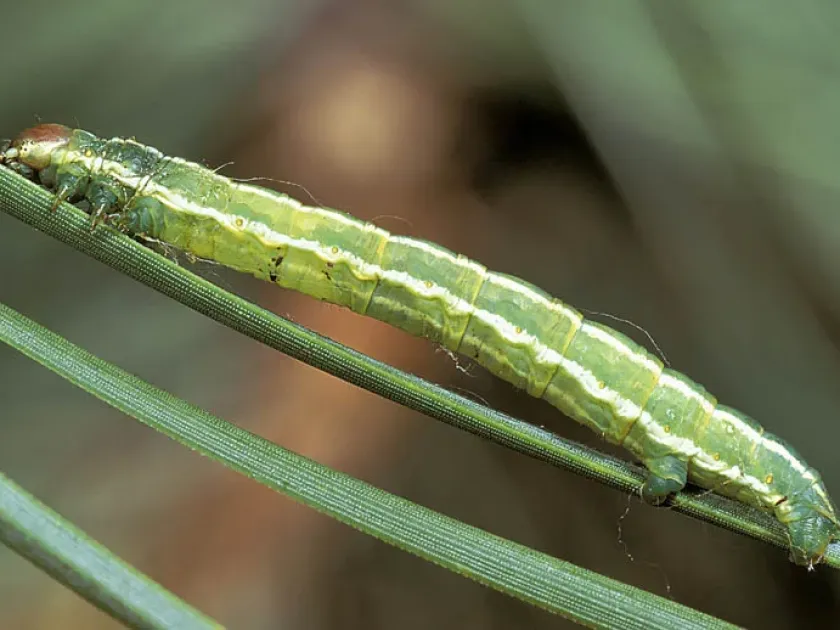
The larvae, known as inchworms, have a unique method of locomotion, looping their body while moving across the foliage. They often blend perfectly with the plant tissue, providing excellent camouflage.
The biological cycle consists of four distinct stages: egg, larva, pupa, and adult. The number of generations per year is largely dependent on the local climate and temperature conditions.
As a polyphagous species, it can survive on a wide range of host plants. Identification is usually confirmed by the larvae's movement patterns and the specific shape of the pupa found in soil or leaf litter.
During the cooler months, the species survives primarily in the pupal stage, often sheltered in protected areas near the host plants, which makes winter sanitation crucial for pest management.
What it damages
This pest is known for attacking a broad variety of broadleaf trees and shrubs. It is particularly problematic in fruit orchards and ornamental plantations where aesthetic value and yield are high priorities.
Damage is exclusively caused by the larvae, which are voracious feeders. They consume leaf tissues, often leading to partial or complete defoliation of the host plant if the infestation is heavy.
Defoliation directly impacts the plant's ability to photosynthesize. This stress weakens the tree, resulting in reduced fruit production, stunted growth, and increased susceptibility to environmental stressors.
Young plants and nursery stock are at the highest risk. Because they lack a large canopy to absorb the damage, the loss of leaves can rapidly lead to growth cessation or severe developmental issues.
Secondary infections are common after the larvae have fed, as damaged leaf surfaces create open wounds that allow fungi and bacteria to enter the plant system more easily.
Signs of infestation
The first signs of an infestation often include small, irregularly shaped holes in the leaves. As the larvae grow, they begin eating from the edges of the leaves inward, eventually leaving only the veins.
Silk webbing is a common indicator of their presence. Larvae often spin thin silk strands to pull leaves together, creating a protected micro-environment where they feed and hide from predators.
The accumulation of dark, pellet-like frass on the leaves below the feeding sites is a classic sign of active larvae. This is often the most reliable way to locate them within a dense canopy.
Premature leaf yellowing or unexpected shedding of leaves in the middle of the growing season should trigger an inspection, as this may be caused by the weakening effect of the larvae.
Observing a sudden increase in the activity of predatory insects, such as wasps or lacewings, can also signal that a population of caterpillars has established itself in the tree.
Control measures
Mechanical control is effective for small-scale infestations. This involves manual removal of caterpillars during the early morning or evening when they are more active or visible.
Biological control using microbial insecticides based on Bacillus thuringiensis is highly effective against young larvae while remaining safe for most beneficial insects and the environment.
Cultural practices include tilling the soil under the trees in late fall or early spring to disrupt the pupae buried in the ground, preventing them from emerging as adults during the season.
Chemical control should be applied as a last resort when the infestation exceeds economic thresholds. Use selective insecticides to minimize harm to natural predators of the inchworms.
- Monitor flight patterns of adults using light traps to predict egg-laying.
- Maintain garden hygiene by removing debris and leaf litter.
- Encourage natural enemies like birds and parasitic wasps to inhabit the garden.
Taxonomy
- Latin name
- Sabulodes transversata
- Order
- Lepidoptera (butterflies)
- Family
- Geometridae
- EPPO code
- SABUTR
Discussion
No discussions yet — be the first.