
Sabulodes caberata
Sabulodes caberata
Description
How to identify
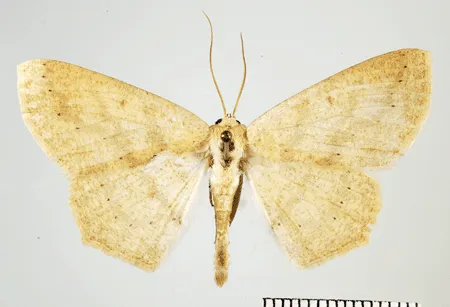
Sabulodes caberata is a moth belonging to the family Geometridae. Often referred to as an inchworm or spanworm, the adult moth is characterized by broad wings, while the larvae are known for their unique loop-like movement.
The larvae, or caterpillars, display camouflage colors ranging from green to brown, mimicking the twigs and branches of their host plants perfectly. This cryptic coloration makes them difficult to spot during daytime observations.
The life cycle encompasses four stages: egg, larva (with five instars), pupa, and adult. Females typically deposit clusters of eggs on the undersides of leaves, providing a protected starting point for the emerging larvae.
Pupation occurs in secluded spots, often within folded leaves tied together with silk threads. Depending on regional temperatures, the insect can complete multiple generations within a single growing season.
Adult moths are nocturnal and rarely seen during the day. Monitoring for this pest primarily involves inspecting the foliage for larval activity or signs of damage during the growing season.
What it damages
The primary damage is caused by larvae feeding on the leaf tissue. Host plants include a wide variety of ornamental shrubs and fruit-bearing trees, such as citrus and avocado trees.
During heavy infestations, larvae can cause complete defoliation, leaving only the primary veins of the leaves behind. This severe leaf loss significantly reduces the plant's photosynthetic capacity and weakens the overall tree.
Larval feeding on buds and young shoots may lead to stunted growth and irregular branch development. Such weakened plants often show increased susceptibility to secondary environmental stressors and opportunistic pathogens.
In nurseries, the presence of Sabulodes caberata can ruin the marketability of ornamental crops. The cosmetic damage caused by the caterpillars often necessitates the removal or extensive pruning of the affected plant material.
Peak damage generally occurs when larvae reach their later growth stages and require larger volumes of foliage to support their rapid development.
Signs of infestation
The most immediate sign of infestation is irregular, ragged-edged leaves. Frass (larval excrement) found on leaves lower in the canopy is a strong indicator of caterpillar activity directly above.
Rolled or tied-together leaves indicate that larvae are hiding or preparing to pupate. When branches are disturbed, caterpillars may drop down on silk threads, a behavior typical of the Geometridae family.
Egg masses appear as small, subtle clusters on the undersides of leaves. Consistent scouting of the foliage is essential to identify these early stages before the larvae disperse.
Reduced plant vigor and stunted terminal growth can suggest a persistent pest presence, even if the caterpillars are not immediately visible. Severe damage often becomes obvious only after the larvae have grown significantly.
An increase in bird activity or the presence of predatory wasps and beetles in the canopy can sometimes signal an underlying population of Sabulodes caberata.
Control measures
Effective management of Sabulodes caberata relies on an integrated pest management (IPM) approach. This includes systematic monitoring, cultural practices, and, when necessary, targeted intervention.
- Application of biological insecticides containing Bacillus thuringiensis, which specifically target caterpillar larvae.
- Mechanical removal of leaves showing signs of egg clusters or larval folding to reduce local population pressure.
- Encouraging and conserving beneficial natural predators and parasitoids that help regulate moth populations.
- Using systemic or contact insecticides during peak infestation periods while adhering to safety guidelines for pollinators.
Proactive orchard maintenance, such as proper pruning and canopy thinning, creates an environment less favorable for pest reproduction. Rotating treatments and careful monitoring are key to preventing the buildup of resistant pest populations.
Taxonomy
- Latin name
- Sabulodes caberata
- Order
- Lepidoptera (butterflies)
- Family
- Geometridae
- EPPO code
- SABUCA
Discussion
No discussions yet — be the first.