
Rhypodes clavicornis
Rhypodes clavicornis
Description
How to identify
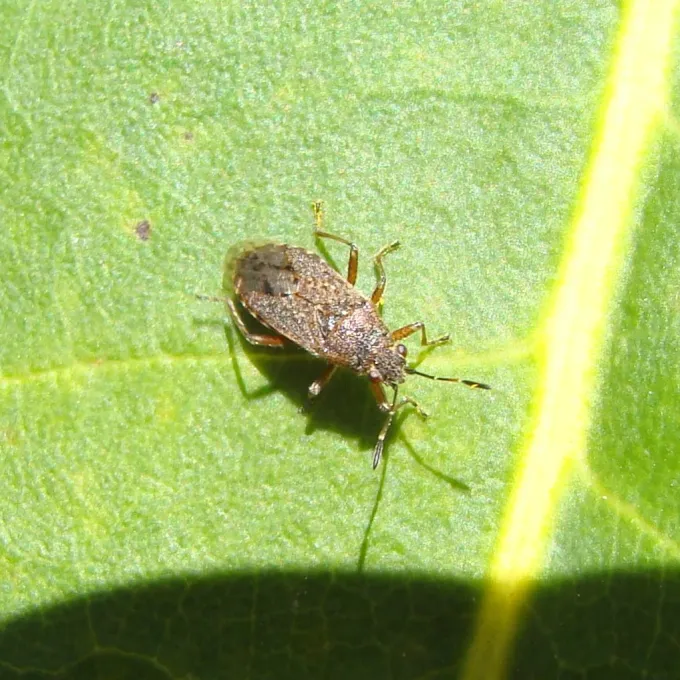
Rhypodes clavicornis is a species of true bug belonging to the Rhyparochromidae family within the Hemiptera order. It is characterized by its distinct club-shaped antennae, which provide a clear morphological marker for field identification.
The adult insect has an elongated body shape, typically brownish or grayish in color, which acts as camouflage against soil particles and plant debris. These bugs are primarily ground-dwelling, often found hiding under leaves or at the base of stalks.
Its life cycle involves incomplete metamorphosis, including the egg stage, five nymphal instars, and the adult stage. The duration of each phase depends significantly on ambient temperature, with warmer conditions accelerating development.
Overwintering takes place in the adult stage, where the insects find shelter in protected areas such as field margins, leaf litter, or crevices in the topsoil. They emerge in early spring as temperatures rise to resume their feeding and reproductive activities.
Female bugs deposit their eggs near host plants, typically in soil or on lower stems. The nymphs emerge and undergo several molts, gradually increasing in size and eventually becoming reproductive adults ready to start the next generation.
What it damages
This bug is considered a polyphagous pest, meaning it feeds on a wide range of plants, including cereals and grain legumes. By inserting their piercing-sucking mouthparts into plant tissues, they extract cell sap, causing stress to the host.
The feeding process results in localized tissue damage and necrosis. When plants are attacked during critical growth stages, such as the grain-filling period, the quality and yield potential can be significantly reduced due to impaired nutrient transport.
Increased damage is often observed during dry spells. Plants weakened by lack of water are more susceptible to the mechanical damage caused by the bugs' feeding, often leading to withered leaves and stunted stems in highly infested areas.
Furthermore, the physical punctures serve as entry points for secondary pathogens, including fungi and bacteria. This can lead to localized infections that further degrade the health of the crop and complicate disease management efforts.
In high-density populations, the insects can affect grain quality directly. Their saliva, injected during feeding, may alter the nutritional composition of the seeds and occasionally leave a distinct odor, lowering the commercial value of the harvest.
Control measures
Effective management begins with integrated cultural practices. Post-harvest cultivation, such as plowing and deep tillage, is essential for disturbing the insects' overwintering sites, significantly reducing the survival rate of the population.
Weed control is another critical component of integrated pest management. Eliminating alternate host plants in and around fields minimizes the food sources available to the bugs, forcing them to disperse or perish before the main crop season begins.
If population densities exceed established economic thresholds, the application of registered insecticides is recommended. Systemic insecticides are often preferred as they provide protection to the inner plant tissues where the bugs feed.
Monitoring programs using scouting techniques, such as sweep netting or visual inspection of soil surface near plant bases, are vital for timely intervention. Early detection allows for more precise and cost-effective management decisions.
Biological control strategies, including the conservation of natural predators like ground beetles and parasitoid wasps, can play a significant role. Maintaining healthy agroecosystems with diverse habitats supports these natural enemies, assisting in long-term pest suppression.
Taxonomy
- Latin name
- Rhypodes clavicornis
- Order
- Hemiptera (bugs, aphids, leafhoppers)
- Family
- Lygaeidae
- EPPO code
- RHYXCL
Discussion
No discussions yet — be the first.