
Rhypodes
Rhypodes
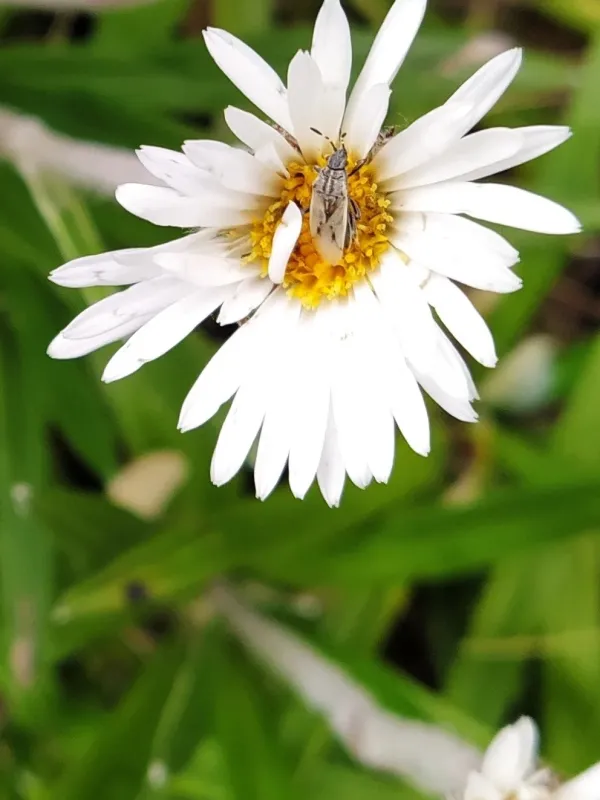
Description
How to identify
Rhypodes is a genus of insects within the family Rhyparochromidae, commonly known as ground bugs. These insects are typically small, brownish or black, and are well-adapted for life in leaf litter, debris, or the top layer of the soil, making them elusive to spot in agricultural fields.
Adult bugs possess piercing-sucking mouthparts, which they use to feed on plant tissues. Their body structure is flat, allowing them to navigate easily between soil particles and under decaying organic matter where they spend most of their life cycle.
Systematically, they belong to the order Hemiptera. Identifying specific species within the genus often requires close inspection of their physical features, such as the shape of the pronotum or wing venation, which may be difficult to distinguish in the field without magnification.
What it damages
Rhypodes species are recognized as pests of various agricultural crops, including cereals and legumes. They primarily damage the crop by feeding on seeds during germination or by piercing the stems of young seedlings, which extracts vital nutrients and water.
This feeding activity often leads to the death of the seedling or significant developmental retardation. High infestations can cause thinning of the plant stand, directly impacting the final yield and requiring replanting if the damage is severe enough to cause large gaps.
When it appears
The life cycle of Rhypodes is largely dependent on soil temperatures and moisture availability. As temperatures rise in early spring, overwintering adults emerge from the soil to begin feeding and reproduction, often coinciding with the planting season of major crops.
Throughout the spring and early summer, the population undergoes several developmental stages. Females lay eggs in the soil or at the base of plants, and the emerging nymphs continue to feed in the same microhabitats until they reach the adult stage and prepare for the next cycle.
Signs of infestation
The most common indicator of a Rhypodes infestation is a patchy or uneven emergence of seedlings. Fields may show signs of wilting or chlorosis in early development stages, which may initially be mistaken for nutrient deficiency or soil-borne diseases.
Upon closer examination of the seeds and root zones in affected areas, one might find small puncture marks or lesions. The presence of the insects themselves under soil crusts or plant debris during the early morning or evening hours is a definitive sign of their activity.
Control measures
Integrated pest management strategies are crucial for controlling Rhypodes populations. Deep tillage is highly effective in disrupting their overwintering sites, significantly reducing the number of adults that survive until the following planting season.
Chemical control options include the use of systemic or contact-based seed treatments, which protect the vulnerable germination stage. If the economic threshold is reached, foliar insecticide applications may be necessary to manage the population during the critical seedling growth phase.
Taxonomy
- Latin name
- Rhypodes
- Order
- Hemiptera (bugs, aphids, leafhoppers)
- Family
- Lygaeidae
- EPPO code
- RHYXSP
Discussion
No discussions yet — be the first.