
Rhagonycha elongata
Rhagonycha elongata
Description
How to identify
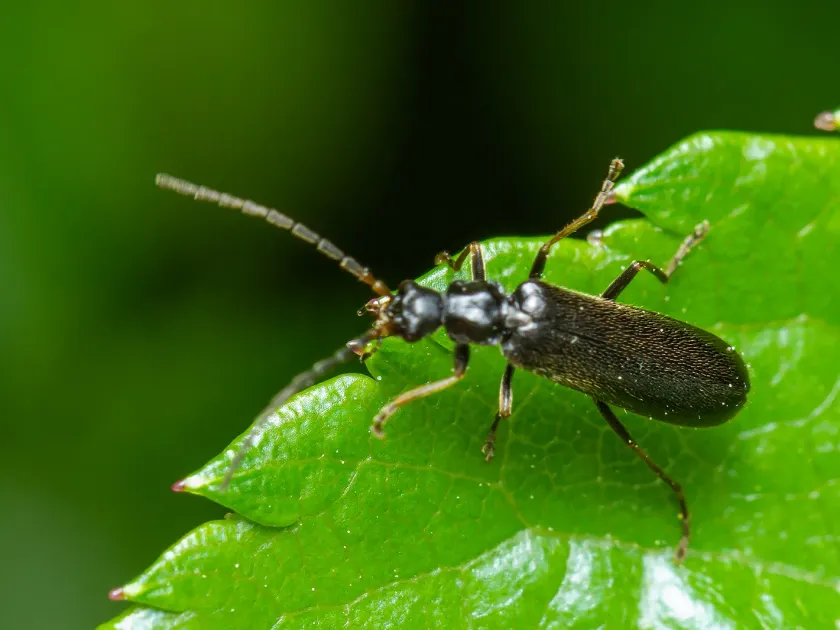
Rhagonycha elongata is a species of soldier beetle belonging to the Cantharidae family within the order Coleoptera. Adult beetles are typically 8–10 mm long, featuring an elongated, flattened body colored in yellowish-brown or reddish hues with dark elytra.
The common name "soldier beetle" refers to their soft wing covers. These insects have sensitive antennae consisting of 11 segments, which they use to navigate through dense vegetation during their daily foraging activities.
The larvae are distinct from the adults, characterized by a long, flattened body covered with thick, dark hairs. This dense coat serves as a protective mechanism against predators while they move through the upper soil layers or leaf litter.
The insect undergoes a complete metamorphosis process: egg, larva, pupa, and adult. The larval stage is the primary overwintering phase, allowing the species to survive significant cold temperatures by finding refuge in sheltered soil or under debris.
A unique physiological defense mechanism includes special glands that secrete a foul-tasting hemolymph when the beetle is threatened. This chemical defense makes them less palatable to birds, assisting in their survival within agricultural landscapes.
What it damages
Although soldier beetles are often considered predators of other insects, they can damage crops during mass outbreaks, particularly affecting the generative parts of fruit trees, ornamental bushes, and vegetables.
Adults consume pollen and nectar but also feed on delicate flower petals and stamens. This mechanical damage disrupts the pollination process, often leading to reduced fruit set or the complete loss of flowers on infected branches.
Larvae inhabit the top layer of the soil and under decaying organic matter. If the natural food source is insufficient, they may shift to feeding on the roots of young seedlings, hindering their development and overall plant vigor.
The feeding sites created by the adults often serve as entry points for fungal infections. By damaging the integrity of the petals and flowers, the beetles increase the risk of secondary pathogens, which can weaken the host plant.
- Damage to fruit tree blossoms and floral tissues.
- Reduction in crop yield due to poor pollination.
- Potential root damage to young vegetable seedlings.
- Increased susceptibility of plants to fungal diseases.
When it appears
The activity of Rhagonycha elongata begins in the spring, typically as temperatures consistently stay above 10–12°C. Adult beetles usually emerge in sync with the peak flowering period of fruit orchards.
Mass activity of the adult beetles occurs during late May and throughout June. During this time, they are most visible on flowers, where they engage in feeding and mating, and the females lay eggs in moist, organic-rich soil.
The larval stage is most active in early spring after emerging from dormancy and again in the autumn as they prepare for the coming winter. During the hottest months of summer, larvae often undergo a resting phase or pupation.
The lifespan of the adult beetle is relatively short, usually lasting a few weeks. The synchronization of their life cycle with the blooming period ensures that they have abundant food sources for reproduction.
As summer draws to a close, the beetle population declines naturally. The new generation of larvae moves deeper into the substrate to establish a stable microenvironment for overwintering, ensuring the species' survival until the next spring.
Signs of infestation
The most common sign of infestation is the presence of adult beetles on flowering plants during the day. A quick inspection of the blossoms often reveals the insects clustered together while feeding on pollen or nectar.
Irregularly eaten edges on flower petals are a telltale sign of adult feeding activity. If flowers appear wilted or show premature browning without evidence of drought, it is often a direct result of damage to the floral reproductive organs.
Beetles can be easily detected by gently shaking branches over a light-colored surface or cloth. Their reaction is to drop off the plant immediately, a defense strategy that makes them easily observable against a contrasting background.
General plant stunted growth, especially in young plants, may indicate root activity by the larvae. In such cases, carefully examining the topsoil around the plant base might reveal the presence of larvae or their trails.
The presence of insect waste on foliage or flowers serves as a visual confirmation of their activity. Monitoring these signs early in the season is crucial for taking timely measures to protect the integrity of the garden blooms.
Control measures
The most effective agrotechnical strategy involves maintaining a clean garden by removing weeds that provide shelter and secondary food sources for the beetles. Regular soil cultivation in the root zones disrupts larval development.
For small-scale gardens, manual removal of beetles during the cool morning hours is highly effective, as the insects are less active and easier to catch. Light traps can also be utilized to significantly reduce adult populations at night.
Biological control using entomopathogenic fungi is a sustainable way to target larvae in the soil without harming beneficial pollinators. This method is highly recommended for organic management systems.
Chemical insecticides should only be used as a last resort when the damage threshold is exceeded. Any treatment must be applied before the full bloom stage to prevent toxic exposure to honey bees and other essential pollinators.
Fostering an environment that supports natural enemies, such as insectivorous birds and predatory beetles, is the best long-term solution. A balanced ecosystem will naturally keep Rhagonycha elongata populations at non-damaging levels.
Taxonomy
- Latin name
- Rhagonycha elongata
- Order
- Coleoptera (beetles)
- Family
- Cantharidae
- EPPO code
- RHAOEL
Discussion
No discussions yet — be the first.