
Raglius alboacuminatus
Raglius alboacuminatus
Description
How to identify
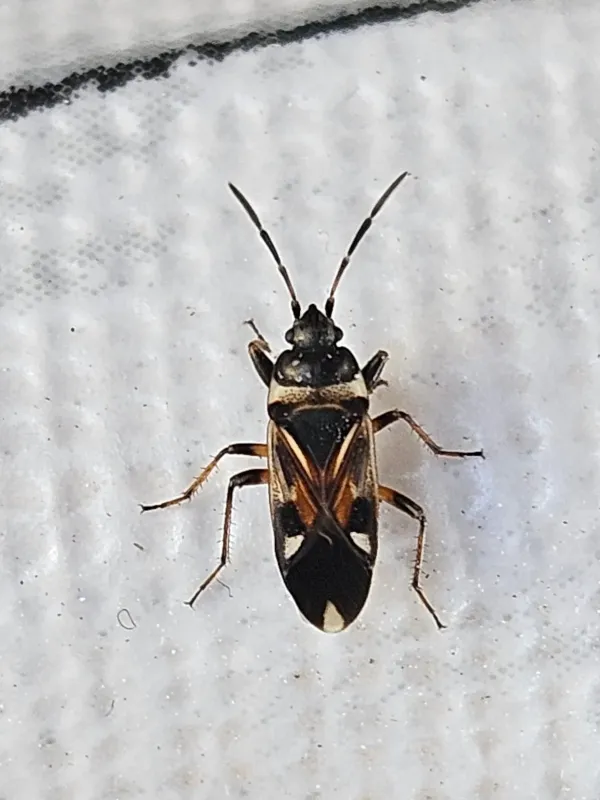
Raglius alboacuminatus is a species of seed bug belonging to the family Rhyparochromidae. Adult insects typically reach 6 to 8 mm in length and have a distinct elongated body shape.
The coloration of the bug is dark brown or black, often with a matt texture caused by short, dense pubescence covering the insect's exterior.
The species name is derived from the light-colored patch at the tip of the scutellum, which serves as a primary diagnostic feature for identification in the field.
Nymphs of this species go through several developmental stages (instars) and resemble miniature adults, though they lack fully developed wings and may show variation in coloration.
The eggs are small and oval, typically laid in the soil or protected areas near the base of host plants, where the larvae begin their life cycle.
What it damages
Raglius alboacuminatus is known as a polyphagous pest, occasionally causing damage to cereals, grasses, and strawberry plants, leading to significant yield losses.
Both adults and nymphs feed by piercing the plant tissue with their mouthparts and sucking the sap from stems, leaves, and developing grain kernels.
This feeding process results in localized necrosis, leaf yellowing, and general plant stunting, which reduces the plant's overall photosynthetic capacity.
Damage to the generative organs, specifically the ear or spike of cereals, can prevent proper grain development and decrease the overall market quality of the harvest.
Furthermore, the physical wounds caused by the bug's feeding act as entry points for secondary pathogens, such as fungi and bacteria, further damaging the crop.
When it appears
The bug survives the winter as an adult in a state of diapause, hiding in leaf litter, stubble, under loose bark, or within the top layer of soil.
As spring temperatures begin to rise, usually when the air temperature exceeds 10-12°C, the insects emerge from their winter refuges and begin feeding.
The peak activity period for Raglius alboacuminatus generally occurs during the late spring and summer months, coinciding with the rapid growth phase of host plants.
Developmental cycles are strongly influenced by local climatic conditions, with hot and dry summers often leading to more rapid population expansion.
As autumn approaches and temperatures drop, the bugs seek out protected overwintering sites, often moving away from agricultural fields to hedgerows or forest edges.
Signs of infestation
One of the earliest signs of infestation is the appearance of chlorotic spots on leaves, which gradually coalesce, leading to premature leaf wilting and death.
Stunted growth of the main shoots and a reduction in the number of successful tillers are common indicators that the pest is active within the field.
Direct observation of the bugs can be performed during the cooler parts of the day, as they tend to congregate near the base of the plant or within the leaf sheaths.
The presence of shriveled, deformed grain at harvest time without obvious signs of fungal disease often indicates a history of sucking insect pressure.
- Yellowing and drying of leaves.
- Visible presence of bugs at the base of stems.
- Reduced vitality and stunted plant height.
- Poor grain filling in spikes.
Control measures
Effective management begins with robust agricultural practices, such as deep autumn plowing, which disrupts the bug's overwintering sites.
Sanitation is critical; removing weeds and debris from the field margins significantly reduces the local population before they can migrate to the main crop.
Implementing a proper crop rotation strategy helps to prevent the buildup of pest populations, making the environment less favorable for the bugs.
In cases of high infestation levels, chemical control using registered insecticides may be necessary to protect the economic yield of the crop.
Monitoring programs are essential to determine the pest density and apply control measures only when necessary, thus promoting sustainable agricultural practices.
Taxonomy
- Latin name
- Raglius alboacuminatus
- Order
- Hemiptera (bugs, aphids, leafhoppers)
- Family
- Lygaeidae
- EPPO code
- APASAL
Discussion
No discussions yet — be the first.