
Wandering snail
Radix peregra
Description
How to identify
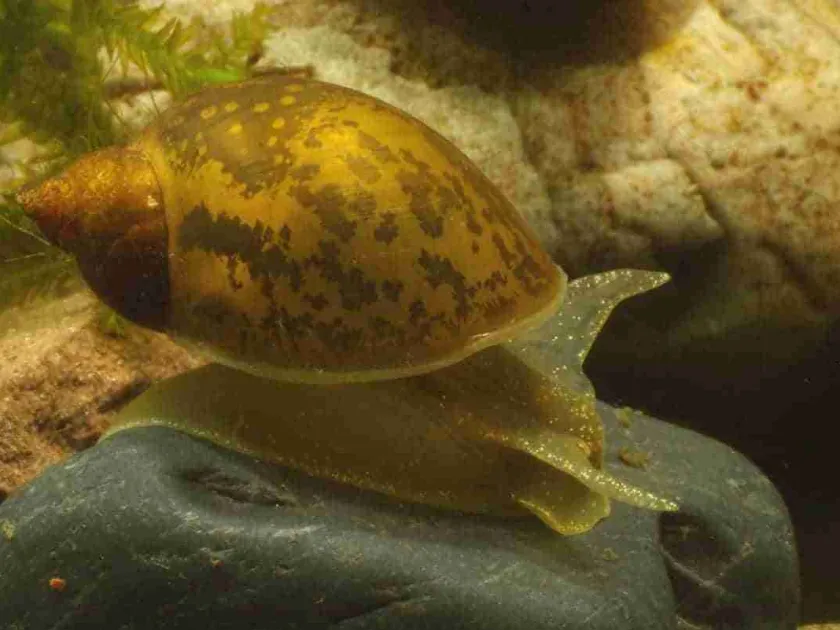
The wandering snail (scientific name Radix peregra) is a common freshwater gastropod belonging to the Lymnaeidae family. Its shell is typically elongated and conical with a sharp apex, exhibiting a pale brown or yellowish horny coloration.
Adult specimens generally measure between 10 to 20 millimeters in height. The body is soft, grayish in color, featuring two triangular tentacles with eyes situated at their base. The species is highly adaptable to various standing or slow-moving freshwater habitats.
The biology of this species is characterized by hermaphroditism, which enables rapid population growth under favorable conditions. Eggs are laid in transparent, jelly-like capsules attached to underwater surfaces such as aquatic plants or stones.
The life cycle progresses from the egg stage to juveniles, which are morphologically similar to adults. In agricultural environments like flooded rice paddies, warmer water temperatures significantly accelerate the maturation rate of the snails.
A key biological trait is the need for atmospheric oxygen, forcing these snails to migrate towards the water surface, which makes them highly visible and susceptible to surface-based monitoring.
What it damages
The wandering snail primarily causes damage to rice crops during the early stages of development. The period from seed germination to the tillering phase is the most critical, as the delicate tissues of young plants are highly vulnerable.
Snails feed by scraping the epidermis of leaves and stems using their radula. This feeding behavior results in significant mechanical tissue destruction, impeding photosynthesis and reducing the plant's overall vigor and stress tolerance.
Severe infestations can lead to thinning of the rice stand, as seedlings may be weakened or completely destroyed. Furthermore, the feeding wounds provide entry points for secondary bacterial or fungal infections common in aquatic environments.
In addition to rice, this pest can affect other hydrophytes and aquatic crops. In neglected irrigation channels, snails can multiply rapidly, acting as a persistent source of re-infestation for adjacent cultivated fields.
Beyond direct crop damage, Radix peregra is known to serve as an intermediate host for various trematodes, posing additional sanitary risks to the farming environment and potentially affecting livestock water sources.
Signs of infestation
The primary diagnostic sign of an infestation is the presence of longitudinal scraping marks on the rice leaves. These marks are typically linear or irregular in shape, indicating where the snail's radula has removed the soft plant tissue.
Direct observation of the snails clustered around the root zones or lower stems of rice plants is a definitive indicator. Their presence is often most noticeable in the morning or early evening when they are active.
The presence of clear, jelly-like egg masses attached to plant stems or submerged weeds serves as a strong indicator that a breeding colony is established in the area.
A visible decline in the health of young rice plants, characterized by wilting or yellowing of foliage despite sufficient water supply, suggests sustained feeding pressure from mollusc populations.
During sunny periods, the snails often congregate in the warmest, shallowest areas of the field, making them easy to spot as they perform surface breathing or move along the stems of rice plants.
Control measures
Effective management begins with agronomic practices, such as water level manipulation. Periodic drainage of rice paddies can effectively reduce mollusc populations by exposing them to desiccating conditions.
Maintaining clean irrigation channels by removing excessive aquatic vegetation is crucial, as this limits both the food source and the substrate required for the snails to deposit their egg capsules.
Chemical control involving molluscicides may be utilized when infestation levels exceed the economic threshold; however, these must be applied cautiously to ensure compliance with environmental and local regulatory safety standards.
Biological control methods, such as the introduction of predatory fish or ducks, can be highly effective in reducing snail numbers in integrated rice-fish farming systems, minimizing the need for chemicals.
Regular monitoring of population density from the onset of the season is essential for timely decision-making, allowing producers to implement preventative measures before the snail population reaches peak levels.
Taxonomy
- Latin name
- Radix peregra
- Order
- Molluscs
- Family
- Lymnaeidae
- EPPO code
- RADXPE
Discussion
No discussions yet — be the first.