
Galba truncatula
Galba truncatula
Description
How to identify
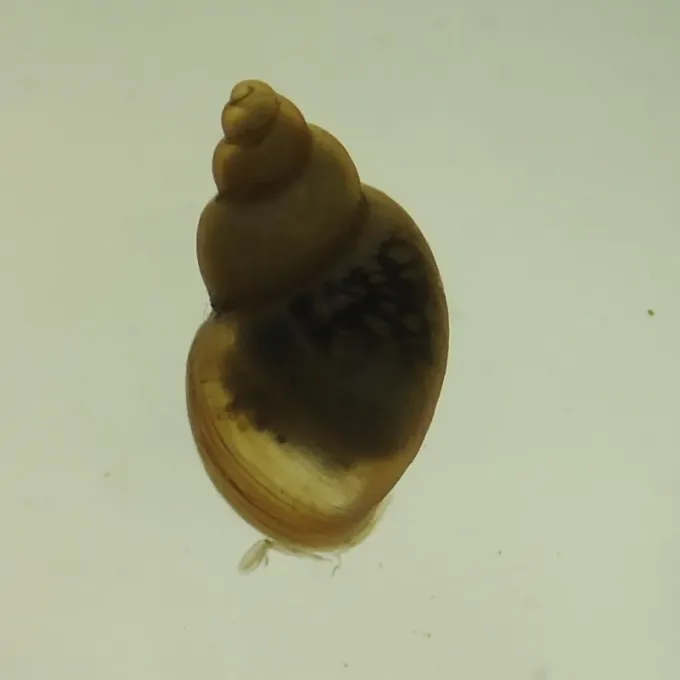
Galba truncatula, commonly known as the dwarf pond snail, is a small amphibious gastropod belonging to the Lymnaeidae family.
The shell is typically 7–12 mm long, brownish, and dextral (right-handed), with a characteristic conical shape and a pointed apex.
It occupies various environments, including temporary pools, ditches, marshy lands, and the edges of larger bodies of water where the soil remains moist.
This species is hermaphroditic and highly reproductive, allowing it to rapidly colonize suitable habitats during favorable weather conditions.
As a key biological component of wetlands, it possesses a high degree of plasticity, enabling it to survive periods of drying by aestivating in the mud.
What it damages
While Galba truncatula does not cause significant direct damage to agricultural crops, it is a primary intermediate host for Fasciola hepatica.
This liver fluke parasite causes fascioliasis, a devastating disease in cattle, sheep, and other livestock that leads to massive economic losses.
Animals contract the disease by grazing on infected pastures where snails release fluke larvae onto the vegetation during damp weather.
The presence of this snail forces farmers to implement expensive veterinary measures and restrict the use of certain grazing lands.
This creates a significant indirect burden on the farming industry, affecting both milk and meat production quality and quantity.
When it appears
Activity begins in early spring as temperatures rise, signaling the snails to emerge from their overwintering states in mud or shallow water.
The peak activity period corresponds with the warmer months, specifically when rainfall creates large, shallow, and stagnant wet areas.
In mid-summer, if extreme drought occurs, the population density may decline temporarily as snails retreat into the soil for survival.
Autumn brings a second surge in activity and egg-laying, ensuring that the next generation is ready for the upcoming winter season.
The lifecycle is strictly dictated by moisture levels, meaning that hydrological fluctuations directly influence the snail's reproductive success.
Signs of infestation
Signs of infestation include the physical presence of snails along the margins of stagnant ditches and puddles on farmland.
- Visible mucus egg masses attached to aquatic vegetation or moist bank surfaces.
- Clinical signs of liver fluke infection in the grazing herd, such as weight loss or poor condition.
- Increased occurrence of muddy, damp patches in fields that do not drain properly.
- Presence of semi-aquatic plant species known to support snail populations.
Surveillance involves surveying damp areas, especially after rainfall, to assess the risk of parasite transmission to the herd.
Control measures
Land drainage and improvement of irrigation systems are the most effective ways to permanently eliminate snail habitats.
Routine maintenance of drainage ditches, including the removal of excess mud and vegetation, significantly reduces the snail carrying capacity.
Fencing off high-risk, waterlogged areas from livestock is a critical management practice to prevent the ingestion of parasites.
Strategic grazing management, including resting pastures and providing clean troughs, helps minimize contact with infected areas.
In severe cases, targeted molluscicide application may be considered, though this must be managed to ensure environmental and safety compliance.
Taxonomy
- Latin name
- Galba truncatula
- Order
- Molluscs
- Family
- Lymnaeidae
- EPPO code
- LYMNTR
Discussion
No discussions yet — be the first.