
Galba glabra
Galba glabra
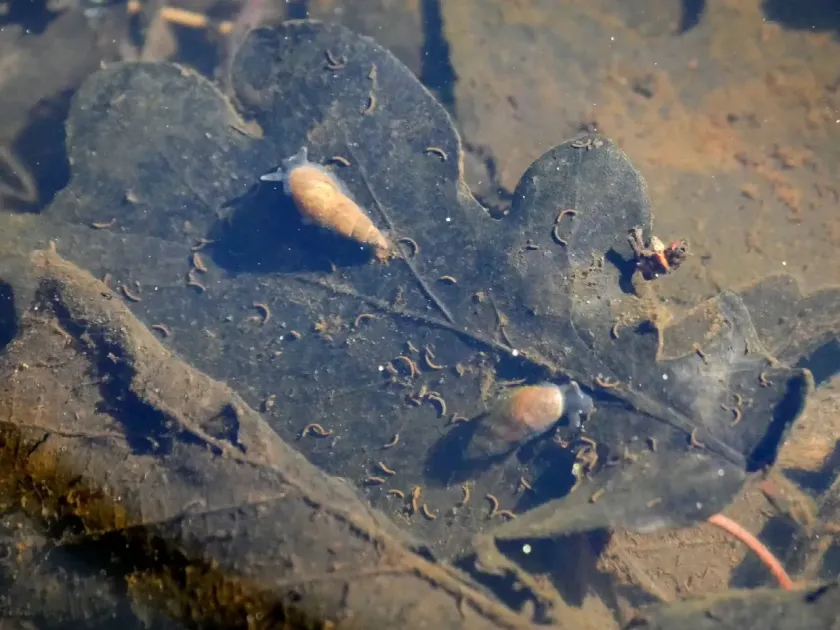
Description
How to identify
Galba glabra is a freshwater pulmonate mollusk belonging to the Lymnaeidae family. It is characterized by an elongated, slender, and conical shell, often having a horn-like or brownish coloration.
The shell size typically ranges from 10 to 12 millimeters, making it a relatively small mollusk. Its body structure follows the typical form of pond snails, with a broad foot and sensitive tentacles.
Taxonomically, it is classified under the order Hygrophila. This species is highly sensitive to humidity and typically prefers damp environments, including muddy soils and edges of water bodies.
Identifying this mollusk requires careful inspection of soil and plant bases, particularly in areas with poor drainage or during seasons with high precipitation levels.
Distinguishing it from other Lymnaeidae species is possible through the analysis of its elongated shell shape, which is more slender compared to the broader shell of the common pond snail.
What it damages
The primary damage caused by Galba glabra involves scraping plant tissues using its radula. This leads to distinctive irregular holes in leaves and stems, especially in young seedlings.
Vegetable crops, such as lettuce, cabbage, and young cereals, are most vulnerable. The mollusk typically attacks the parts of the plant near the ground where moisture is retained.
Beyond direct physical tissue damage, the presence of these mollusks facilitates the spread of fungal diseases through the created wounds, which can kill delicate plants.
Galba glabra is also a known intermediate host for various trematode parasites. This makes it a significant risk factor for livestock grazing on pastures where these mollusks are present.
Cumulative damage often results in stunted plant growth, reduced photosynthetic capability, and, in severe cases, the complete destruction of crops in water-logged fields.
When it appears
Activity peaks during spring and autumn when soil moisture levels are consistently high. Temperatures between 15°C and 22°C are optimal for their reproductive cycle.
They overwinter by burrowing into the mud or deep within the soil near water sources. As temperatures rise in spring, they emerge and migrate toward vegetation.
Hot and dry summer weather limits their activity, forcing them to remain deep in the soil or in shaded, damp microhabitats to prevent dehydration of their soft bodies.
The reproductive cycle includes laying egg clutches on moist surfaces. Under favorable conditions, several generations can develop within a single growing season.
Monitoring should be most intense during rainy growing seasons, as persistent dampness creates the ideal environment for a rapid population explosion of the species.
Signs of infestation
The presence of Galba glabra is indicated by shiny, silver-colored trails of dried mucus found on the soil surface or the lower leaves of affected plants during early morning hours.
Ragged edges and holes in young plant foliage are clear visual signs of mollusk grazing. Unlike insects, mollusks often leave a more irregular, slimy, and persistent damaged area.
Observing the mollusks directly during cloudy, humid weather or at night when they are most active is the most reliable way to confirm an infestation.
- Silvery mucus trails on soil and stems
- Irregular holes in leaf tissues
- Clusters of mollusks in low-lying damp areas
Focus inspections on fields with poor drainage or irrigation channels, as these areas provide the primary habitat for the colonization of these pests.
Control measures
Improving field drainage is the most effective long-term strategy for controlling Galba glabra. Reducing standing water and soil saturation makes the environment hostile to the species.
Agricultural practices, such as deep plowing in autumn, disrupt the overwintering sites of the mollusks and expose them to unfavorable conditions, significantly reducing their population density.
Molluscicides, particularly those based on metaldehyde, can be used in cases of extreme infestation, provided they are applied following strict environmental safety guidelines to protect non-target species.
Clearing weeds and debris around field edges and irrigation ditches removes essential hiding spots and breeding grounds, limiting the ability of the pest to migrate into crop areas.
Encouraging local populations of natural predators, such as birds, toads, and ground beetles, helps maintain the population at non-damaging levels through natural biological control.
Taxonomy
- Latin name
- Galba glabra
- Order
- Molluscs
- Family
- Lymnaeidae
- EPPO code
- GALBGL
Discussion
No discussions yet — be the first.