
Pyrgomorpha cognata
Pyrgomorpha cognata
Description
How to identify
Pyrgomorpha cognata is a species of grasshopper belonging to the family Pyrgomorphidae (commonly known as gaudy grasshoppers or conical-headed grasshoppers).
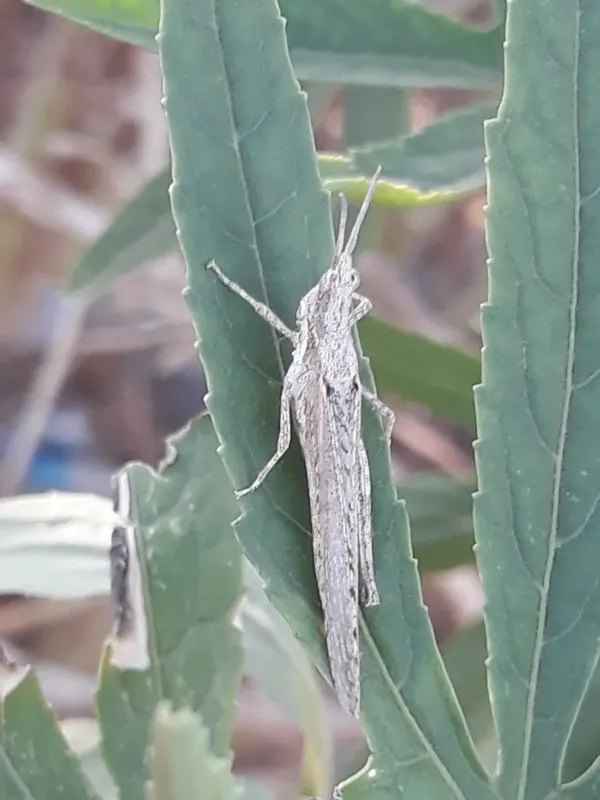
The species is easily recognized by its elongated, conical head shape, which distinguishes it from many other grasshopper families.
Adult insects possess cryptic coloration, usually shades of green, brown, or straw, allowing them to blend seamlessly into dry grass and crop residues.
They have slender bodies and powerful hind legs adapted for jumping, which helps them escape predators and move efficiently across the field.
These insects are well-adapted to arid and semi-arid environments, thriving in open fields and grassland habitats with sufficient heat.
What it damages
Pyrgomorpha cognata is a polyphagous pest, meaning it feeds on a wide range of botanical species including grasses and various broadleaf crops.
It causes significant damage to cereal crops, where it consumes leaf blades, leading to reduced photosynthetic capacity and stunted plant growth.
In vegetable gardens, it targets tender foliage and sometimes reproductive structures, potentially causing yield losses and lower product quality.
High population densities can result in severe defoliation, leaving plants vulnerable to environmental stress and pathogens.
Grazing pastures can also be heavily affected, reducing the available forage for livestock during peak summer months.
When it appears
The life cycle of this grasshopper is closely linked to seasonal rainfall and temperature patterns, as these factors influence egg hatching and growth.
Eggs are typically laid in the soil and undergo a period of dormancy, ensuring survival during hot, dry periods or cooler months.
Development involves hemimetabolous metamorphosis, with several nymphal stages gradually increasing in size before reaching the adult stage.
The peak activity of adults usually coincides with the mid-summer season, when they mate and lay eggs for the next generation.
Nymphs are most active during the warmer parts of the day when they actively search for food to support their rapid growth.
Signs of infestation
The most noticeable sign of an infestation is the presence of jagged or scalloped edges on the leaves of host plants.
A mass disturbance of jumping insects when walking through a field is a clear indicator of a significant infestation level.
Dark fecal pellets found on leaves or at the base of the plant provide evidence of feeding activity even if the insects are not immediately visible.
In cases of severe damage, fields may show patches of reduced green cover where the plant material has been consumed almost entirely.
Observant monitoring during early morning or late afternoon can reveal the insects resting on stems and leaves.
Control measures
Effective management begins with regular field scouting to identify and monitor nymph populations before they reach the adult stage.
When the economic threshold is exceeded, insecticides such as pyrethroids or organophosphates are recommended for targeted control.
Cultural practices, including deep ploughing or tilling after harvest, help disrupt egg-laying sites and reduce the overwintering population.
Maintaining clean field borders by removing weeds reduces the habitat and food sources that support the pest's initial colonization.
Biological control options, such as the use of natural predators or entomopathogenic fungi, are being researched for more sustainable integrated pest management.
Taxonomy
- Latin name
- Pyrgomorpha cognata
- Order
- Orthoptera (locusts)
- Family
- Pyrgomorphidae
- EPPO code
- PYRMCG
Discussion
No discussions yet — be the first.