
Atractomorpha
Atractomorpha
Description
How to identify
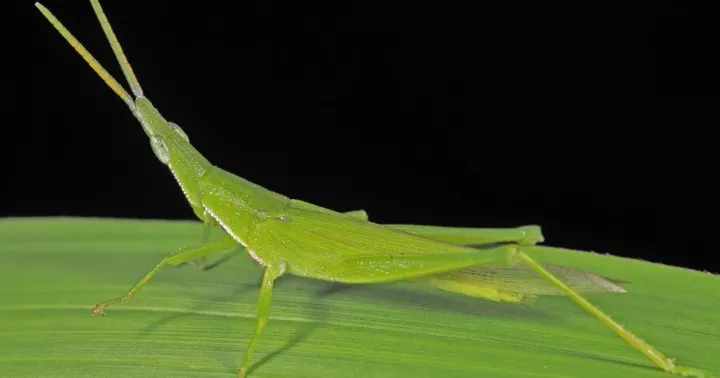
Atractomorpha belongs to the Pyrgomorphidae family within the order Orthoptera. These insects are easily recognized by their elongated bodies and heads, which provide excellent camouflage, allowing them to resemble blades of grass when resting on plants.
Adult insects typically range from 20 to 40 millimeters in length. Their coloration is usually green or brown, perfectly matching their natural habitat, which often makes them difficult for farmers to spot during routine field inspections.
They possess powerful hind legs adapted for jumping, allowing them to escape quickly when disturbed. This agility makes them a challenging pest to manage manually, as they can rapidly relocate to adjacent plants or fields upon the slightest vibration.
Nymphs go through several developmental stages before reaching adulthood. They resemble smaller versions of the adults but lack developed wings. Despite their small size, they are voracious eaters and can cause damage to seedlings even in their early instars.
These insects are diurnal, meaning they are most active during the day. They prefer warm, sunny environments with lush vegetation, where they can feed and reproduce efficiently, often congregating in areas with abundant moisture and high growth rates.
What it damages
Atractomorpha is a generalist feeder capable of attacking a wide variety of plants. Common host crops include vegetables like tomatoes, peppers, eggplants, and various leafy greens, as well as many ornamental garden plants and shrubs.
Beyond garden vegetables, they are known to attack industrial crops and the soft, succulent growth of young fruit trees. Their polyphagous nature allows them to thrive in diverse agricultural settings, making them a persistent threat to many producers.
The typical damage caused by this pest is the destruction of foliage. They chew irregular holes in leaves, often consuming entire leaf blades and leaving only the tougher veins behind, which drastically reduces the plant's ability to photosynthesize.
In cases of high population density, they will attack reproductive parts, including flowers, buds, and fruit. This level of damage directly leads to crop loss, reduced yields, and lower market quality, making the produce unsellable or unsuitable for fresh consumption.
Young plants and seedlings are particularly vulnerable to Atractomorpha. If the growing point is damaged, the plant may stop developing altogether, leading to stunted growth or total failure of the crop, which is especially devastating in commercial nurseries.
When it appears
The seasonal occurrence of Atractomorpha is heavily dependent on regional temperature profiles. In warm climates, they can remain active throughout the entire growing season, starting from early spring until the onset of cool autumn temperatures.
The hatching of nymphs typically follows the warming of the soil. This period is critical, as a high number of early-stage nymphs can rapidly defoliate young crops, making early detection and intervention essential for successful crop protection.
Under favorable conditions, the insect can complete multiple generations in a single season. This often leads to a spike in the population during the mid-summer months, necessitating consistent monitoring and potentially multiple rounds of intervention.
Autumn marks the transition as adults prepare for egg-laying. Eggs are deposited into the soil, where they remain dormant throughout the winter until conditions become warm enough to trigger the next cycle, ensuring the pest persists year after year.
Proactive monitoring should begin as soon as plants are transplanted or seeds germinate. Regular scouting during the early weeks of the season helps identify early infestations before they turn into widespread outbreaks that are much harder to manage.
Signs of infestation
The most prominent sign of an infestation is the visual evidence of leaf destruction. Look for ragged leaf edges and large, irregular holes that appear suddenly, indicating that insects have been feeding during the day or night.
The presence of frass (insect excrement) on the leaves and soil surface is a clear indicator of active feeding. Finding small, granular droppings beneath your plants strongly suggests that an Atractomorpha colony is established in that specific area.
Observing the insects themselves is the most definitive sign. They are reactive and will jump quickly when they sense movement nearby. Keep an eye out for these sudden movements among the foliage, especially during calm, sunny parts of the day.
Wilting of foliage or premature leaf drop can also indicate heavy feeding. When the plant's structural integrity is compromised by extensive chewing, the damaged parts will quickly decline, lose color, and eventually die off completely.
In cases of severe damage, the plant will show signs of stunted growth or lack of new leaf production. If you notice these symptoms, examine the underside of leaves and the base of the stems, as the pests often hide there to avoid predators and heat.
Control measures
Cultural control begins with proper soil management. Deep plowing in the autumn can destroy egg pods deposited in the soil, effectively reducing the overwintering population for the next growing season and limiting initial infestations.
Field sanitation is critical. Removing weeds from field margins and surrounding areas eliminates the alternative food sources and shelters where Atractomorpha populations thrive before moving into your main crops.
Biological control options, such as using biopesticides based on entomopathogenic fungi like Beauveria bassiana, can be highly effective. These products offer an environmentally friendly way to control the pest population without harsh chemical residues.
- Monitor fields consistently to catch early signs of infestation.
- Use insecticides registered for Orthoptera when economic thresholds are met.
- Ensure thorough spray coverage on both sides of the leaves.
- Rotate different chemical modes of action to prevent pest resistance.
Taxonomy
- Latin name
- Atractomorpha
- Order
- Orthoptera (locusts)
- Family
- Pyrgomorphidae
- EPPO code
- ATRCSP
Discussion
No discussions yet — be the first.