
Atractomorpha psittacina
Atractomorpha psittacina
Description
How to identify
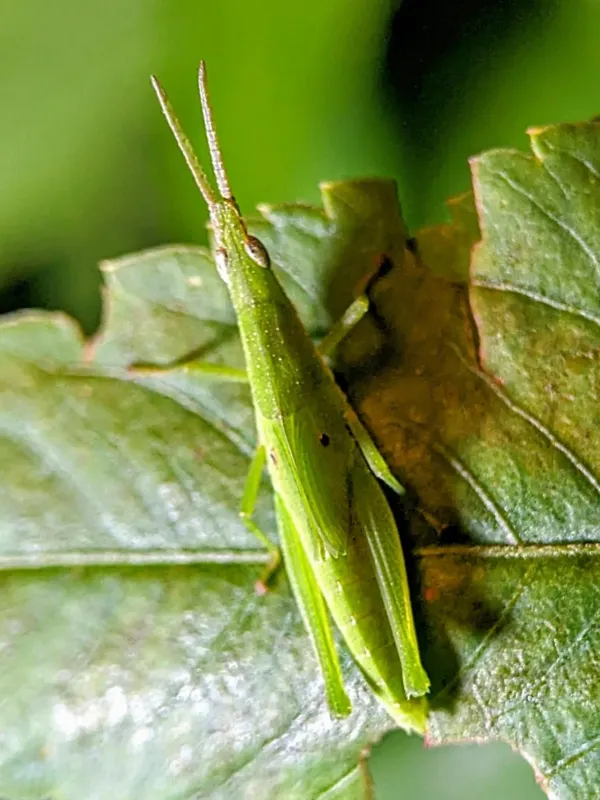
Atractomorpha psittacina is a species of grasshopper belonging to the family Pyrgomorphidae. This insect is known for its elongated, slender body and cone-shaped head, which provides excellent camouflage.
The coloration of the insect typically ranges from vibrant green to dull brown, allowing it to blend perfectly into the foliage of host plants. The wings are usually well-developed, facilitating movement, though the insect relies heavily on jumping to evade threats.
There is a noticeable sexual dimorphism within the species, with females being significantly larger and more robust than males. The nymph stages resemble miniature, wingless versions of the adults.
This species prefers humid environments and is frequently encountered in marshy areas, meadows, or irrigated agricultural lands. It is generally a solitary species and does not form large swarms like some other locust species.
The life cycle is characterized by hemimetabolous development, meaning the insect undergoes a series of nymphal instars before reaching the reproductive adult stage. Eggs are typically laid in the soil.
What it damages
This pest is a polyphagous insect that feeds on a wide variety of plant tissues. In agricultural settings, it can cause significant damage to the green parts of diverse crops.
Preferred hosts include vegetable crops, particularly members of the Solanaceae and Cucurbitaceae families. Furthermore, the pest has been known to impact ornamental garden plants and various grasses.
Feeding damage is characterized by the consumption of leaf blades, leading to holes and irregular margins. Heavy infestations can lead to partial or total defoliation of plants, which severely impairs their photosynthetic ability.
Beyond direct feeding damage, the wounds created by the insect serve as entry points for various bacterial and fungal pathogens. This can lead to secondary infections that weaken or kill the plant.
Economic losses are highest when the insect population peaks during the early growth stages of the crop, as young plants have limited capacity to compensate for significant foliage loss.
Signs of infestation
The most prominent sign of infestation is the appearance of ragged holes and consumed edges on plant leaves. The irregular pattern is a signature trait of their feeding behavior.
When inspecting fields, one may observe the insects resting on the underside of leaves or along stems. They are often stationary during the day, becoming more active when disturbed.
Fecal deposits, which appear as small, dark cylindrical pellets, are often found on lower leaves, signaling that the pest has been feeding nearby. These droppings are a reliable indicator of active colonization.
In cases of severe infestation, one may notice bites taken out of buds or succulent stems. These marks may dry out and darken over time, stunting the affected parts of the plant.
Regular monitoring in the early morning or evening hours is highly effective, as the insects are more visible and active during these times of day.
Control measures
Cultural control is the first line of defense against Atractomorpha psittacina. This includes rigorous weed management, as weeds often act as an alternative food source and breeding ground for the pest.
Soil cultivation, such as deep plowing after harvest, is highly recommended to disrupt the life cycle of the insect by destroying eggs deposited in the ground, significantly reducing the next season's population.
If populations exceed economic thresholds, the use of insecticides is necessary. Choosing selective or systemic products can effectively control the pest while minimizing impact on non-target beneficial species.
Biological control agents, such as specialized fungi or natural predators like birds and larger predatory insects, can help maintain population balance if pesticide use is limited.
Maintaining optimal crop health through proper fertilization and irrigation strengthens plant resilience, allowing crops to withstand minor pest pressure without suffering significant yield loss.
Taxonomy
- Latin name
- Atractomorpha psittacina
- Order
- Orthoptera (locusts)
- Family
- Pyrgomorphidae
- EPPO code
- ATRCPS
Discussion
No discussions yet — be the first.