
Pyrgomorpha
Pyrgomorpha
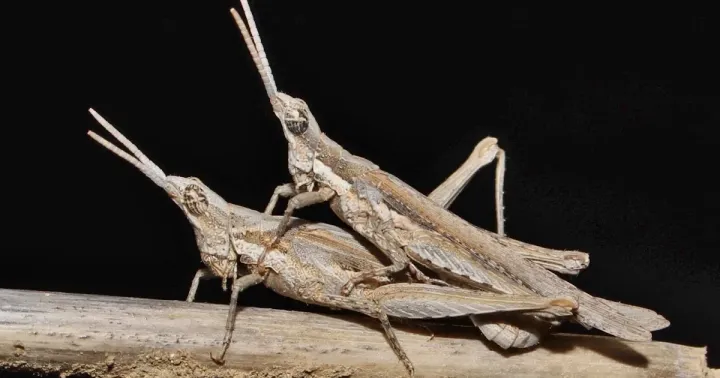
Description
How to identify
Pyrgomorpha is a genus of insects belonging to the order Orthoptera and the family Pyrgomorphidae. These insects are easily recognized by their elongated bodies and cone-shaped heads, which provide excellent camouflage in grassy environments.
Adult insects typically measure between 20 and 40 mm in length. Their coloration, ranging from green to brown, serves as a natural defense mechanism against predators, making them difficult to spot among foliage.
Their life cycle involves incomplete metamorphosis, progressing through egg, nymph, and adult stages. Females lay their eggs in the soil within protective structures known as egg pods, which are encased in a hardened secretion for protection.
This genus is primarily found in regions with arid and semi-arid climates, including parts of Africa, Southern Europe, and Asia. They are well-adapted to surviving high temperatures and limited moisture conditions.
They possess specialized glands that release pungent secretions, which deter potential predators. This chemical defense contributes to their success in various habitats and complicates their natural control by biological enemies.
What it damages
Pyrgomorpha are generalist feeders, meaning they consume a wide variety of plants. This polyphagous behavior allows them to cause significant damage to both wild flora and numerous agricultural commodities.
Cereal crops are particularly susceptible, as these pests feed on leaves, stems, and developing ears, leading to reduced photosynthesis and direct yield loss that can severely impact the harvest.
Vegetable crops, such as legumes and solanaceous plants, are also frequent targets. The nymphs and adults consume large portions of leaf tissue, which weakens the plant and hampers fruit development.
Pastures and forage crops are subject to intense grazing by these insects. During outbreaks, they can strip entire fields of vegetation, creating a severe shortage of animal feed in affected regions.
Orchard trees and shrubs may also suffer from their feeding habits, especially during dry seasons when the insects seek out moisture-rich tissues in young shoots and buds, causing stunted growth.
When it appears
The appearance and activity of Pyrgomorpha are strongly linked to seasonal warming. Nymph emergence typically begins when soil temperatures reach optimal levels, marking the start of the primary infestation period.
They are most destructive during the peak of summer, as their developmental stages coincide with the rapid growth of agricultural crops, requiring vigilant monitoring by farmers and agronomists.
The life cycle is often staggered, allowing the species to survive through unpredictable weather fluctuations. Successive generations can persist in the field, causing prolonged stress to the crops.
In dry conditions, adult populations may migrate towards irrigated fields, attracted by the succulent greenery. This concentration of pests can lead to rapid and devastating damage in specific, watered areas.
As the season comes to an end, adults deposit their eggs into the soil to undergo diapause. These eggs remain dormant throughout the cooler months, ensuring the population's survival for the next season.
Signs of infestation
The primary sign of a Pyrgomorpha infestation is the presence of ragged leaf margins. Unlike the precise cutting seen in some insects, these pests leave behind coarse, uneven damage that is characteristic of grasshopper feeding.
Accumulation of fecal pellets on leaves or the ground beneath infested plants is a clear indicator of high pest density and active feeding. Regular inspections can identify these signs before major damage occurs.
Sudden jumping activity when approaching a crop is a reliable indicator of their presence. When populations are high, one may observe a mass movement of insects away from the path of an observer.
Leaves that exhibit yellowing or wilting following physical damage suggest that the plant's vascular system has been compromised due to the severity of the feeding pressure exerted by these insects.
- Ragged and uneven leaf margins;
- Presence of insect excrement on vegetation;
- Jumping insects disturbed by field operations;
- Stunted or defoliated crop patches;
- Visible feeding holes in stems and younger plant parts.
Control measures
Cultural control methods such as deep plowing in the autumn are effective in destroying the egg pods buried in the soil. This exposes the eggs to frost and natural predators, significantly reducing the next generation's population.
Effective weed management around field borders and irrigation ditches is crucial. These areas serve as breeding grounds where the population builds up before spreading to the main agricultural crops.
Biological control includes the promotion of natural enemies such as birds and predatory insects. Maintaining field biodiversity can help keep the pest population below the economic damage threshold.
When infestation levels exceed the economic threshold, chemical control using pyrethroid-based insecticides or other approved chemicals is necessary, focusing on the early nymph stages to prevent maturation.
Continuous monitoring using light traps or systematic field scouting allows for early detection of hotspots. This enables targeted, localized chemical applications rather than large-scale spraying, reducing environmental impact.
Taxonomy
- Latin name
- Pyrgomorpha
- Order
- Orthoptera (locusts)
- Family
- Pyrgomorphidae
- EPPO code
- PYRMSP
Discussion
No discussions yet — be the first.