
Heyden's cricket
Pteronemobius heydenii
Description
How to identify
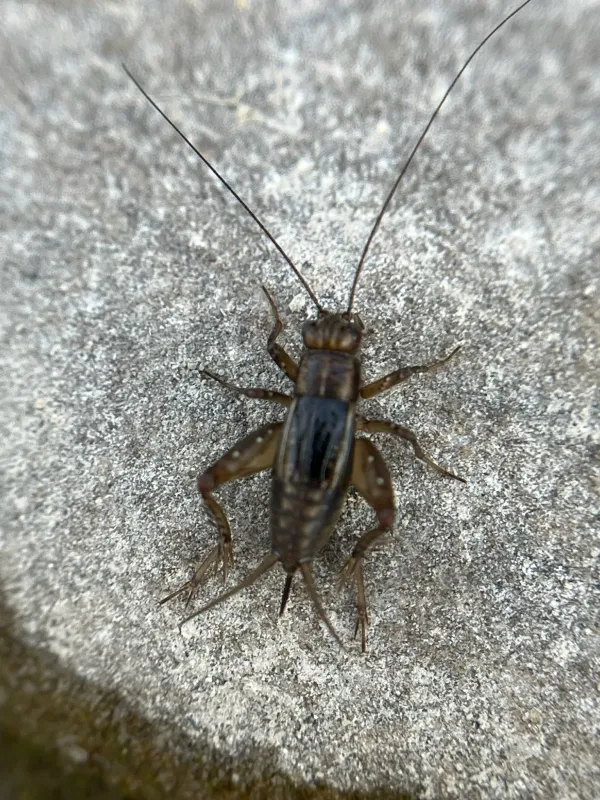
Heyden's cricket (Pteronemobius heydenii) belongs to the family Gryllidae within the order Orthoptera. These are small insects, characterized by their robust bodies and well-developed hind legs adapted for jumping.
The adult stage typically displays a brownish or yellowish-brown coloration, which allows it to blend perfectly into its environment, particularly on moist soil and agricultural debris.
This species is specifically adapted to riparian habitats and irrigated areas. It thrives in humid conditions, which makes it a frequent inhabitant of flooded fields and wetlands.
The insect is equipped with strong chewing mouthparts, enabling it to consume various plant tissues and organic matter found in the topsoil layers.
Its life cycle follows a pattern of incomplete metamorphosis, meaning the nymphs resemble miniature adults but lack fully developed wings and reproductive organs.
What it damages
The primary concern regarding this species involves its impact on water-dependent crops, especially rice, where it can cause significant damage to young seedlings.
The pest consumes plant tissue at the base of the stem or root collar, leading to stunted growth, wilting, and in severe cases, the complete death of the plant.
Furthermore, the physical damage caused by feeding activity often creates entry points for various pathogenic fungi and bacteria, leading to secondary infections.
Early-season infestations are particularly damaging because young seedlings lack the vigor to recover from such mechanical injuries during the most critical growth stages.
- Feeding on young cereal seedlings.
- Mechanical damage to the root collar.
- Facilitation of fungal pathogens.
When it appears
The activity of Heyden's cricket is heavily dependent on ambient temperature and soil moisture levels, with peak activity typically observed during the warmer summer months.
The insect produces multiple generations throughout a single season, necessitating ongoing monitoring from early spring until the harvest period to prevent major outbreaks.
During late autumn, as temperatures drop, the insects seek shelter in deep soil cracks or dense vegetation debris to survive the winter conditions.
With the arrival of spring, overwintered individuals and nymphs emerge to begin their life cycle, feeding initially on weeds before moving onto crop seedlings.
High levels of humidity and frequent rainfall are key factors that support population growth, as moist soil is essential for successful egg-laying and development.
Signs of infestation
A primary indicator of an infestation is the appearance of sparse or withered patches within the field where young plants appear unhealthy or have stopped growing.
A close inspection of the stem bases often reveals small, ragged bite marks or hollowed-out tissue, indicating the presence of a chewing pest.
During the night, males produce a characteristic chirping sound, which is a strong audible clue to their presence, although visual confirmation remains difficult due to their speed.
During the day, these crickets remain hidden under soil clumps, leaf litter, or within dense foliage, making them elusive to casual observation.
Detection often requires targeted scouting using soil samples or nocturnal inspection with light traps to accurately assess the local population density.
Control measures
Agricultural practices, such as deep plowing after harvest, are highly effective in destroying overwintering sites and reducing the overall population density.
Managing the water level in irrigated fields, including temporary drainage, can significantly disrupt the insect's habitat and suppress its reproductive cycle.
Chemical control using authorized insecticides may be necessary during peak activity periods to protect sensitive crops and minimize economic yield losses.
Integrated pest management strategies should include weed control in and around the field to remove alternative food sources that sustain the crickets.
Monitoring programs that incorporate trap counts and field scouting are essential for making informed decisions regarding the application of control measures.
Taxonomy
- Latin name
- Pteronemobius heydenii
- Order
- Orthoptera (locusts)
- Family
- Gryllidae
- EPPO code
- PTEEHE
Discussion
No discussions yet — be the first.