
Brachytrupes
Brachytrupes
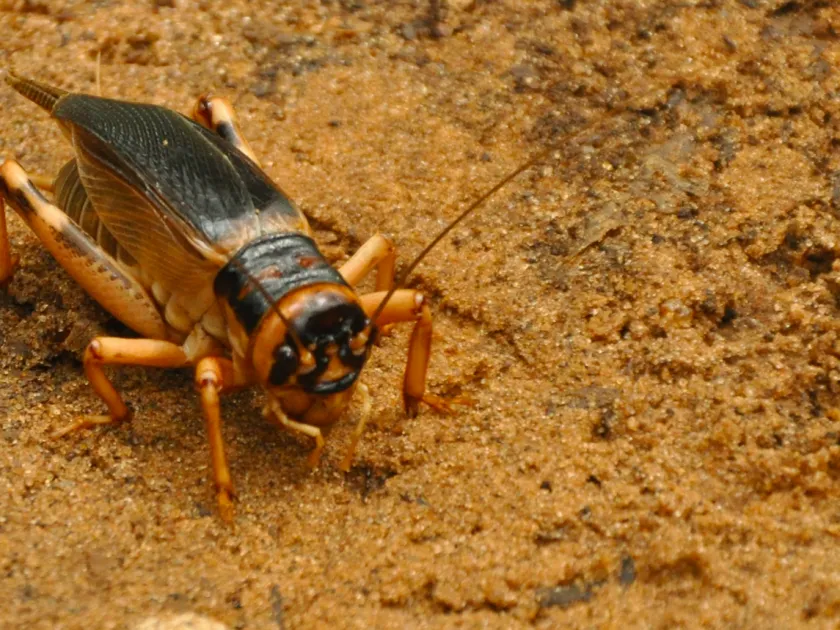
Description
How to identify
The genus Brachytrupes consists of large crickets belonging to the family Gryllidae (order Orthoptera). These insects are robust and well-adapted for burrowing into the soil.
Adult crickets are characterized by a dark coloration and a strong, heavy body, with powerful mandibles capable of cutting through tough plant tissues.
They are primarily nocturnal, spending daylight hours within complex tunnel systems that they construct deep underground.
The life cycle involves several nymphal stages, during which the insects remain subterranean and continue to feed on root systems before reaching maturity.
Females are equipped with a well-developed ovipositor, which they use to insert eggs into the moist soil, ensuring the survival of the next generation.
What it damages
Brachytrupes species are significant agricultural pests known for causing severe damage to a wide range of grain, vegetable, and pulse crops.
They pose a particular threat to young rice seedlings, tobacco, maize, and nursery-grown plants, where their feeding activity can destroy entire plantings.
The primary damage is caused by the insects cutting the roots and stems of seedlings just below or at the soil surface, leading to rapid wilting and plant death.
In addition to direct feeding, their burrowing activities disturb the soil structure and damage the root systems of larger, established plants, limiting their ability to absorb nutrients.
Heavy infestations can result in significant yield losses and often necessitate the replanting of vast sections of cultivated land.
When it appears
The period of activity for these crickets is strongly correlated with warm, humid weather conditions that favor their subterranean lifecycle.
Population peaks are typically observed during the early stages of crop growth, coinciding with the most vulnerable developmental phase of young plants.
Adult crickets exhibit increased movement and feeding behavior during dusk and at night, which is when they are most active near the soil surface.
Rainfall patterns influence their activity; while moderate moisture is preferred for burrowing, extreme saturation may force them to relocate or emerge.
In tropical and subtropical agricultural regions, they can remain active throughout the majority of the year, provided temperatures are sufficiently high.
Signs of infestation
The most visible sign of an infestation is the presence of numerous circular burrow entrances, often surrounded by small mounds of excavated soil.
Farmers often notice unexplained wilting or sudden death of plants, which, when examined, reveal severed root systems or damaged stalks at the base.
Auditory evidence is also common, as males produce loud stridulation sounds at night to attract mates, serving as a reliable indicator of their presence.
- Patches of missing seedlings in newly planted fields.
- Small, clean-cut tunnels in the soil profile.
- Characteristic soil mounds near the base of damaged plants.
Observing a field at night with a flashlight can often confirm the presence of crickets foraging on the soil surface.
Control measures
Controlling Brachytrupes requires an integrated approach that combines mechanical intervention with targeted chemical applications.
Tillage practices, such as deep plowing, are highly effective as they disrupt the tunnels and expose the insects to predators and environmental stresses.
The application of insecticide-treated baits is a common and effective method for managing high populations without the need for blanket field spraying.
Seed treatment with systemic insecticides can provide a critical protective barrier for seedlings during the first few weeks after germination.
Maintaining field hygiene and monitoring for early signs of burrowing are essential practices for preventing population outbreaks and minimizing crop damage.
Taxonomy
- Latin name
- Brachytrupes
- Order
- Orthoptera (locusts)
- Family
- Gryllidae
- EPPO code
- BRCTSP
Discussion
No discussions yet — be the first.