
Horse mange mite
Psoroptes equi
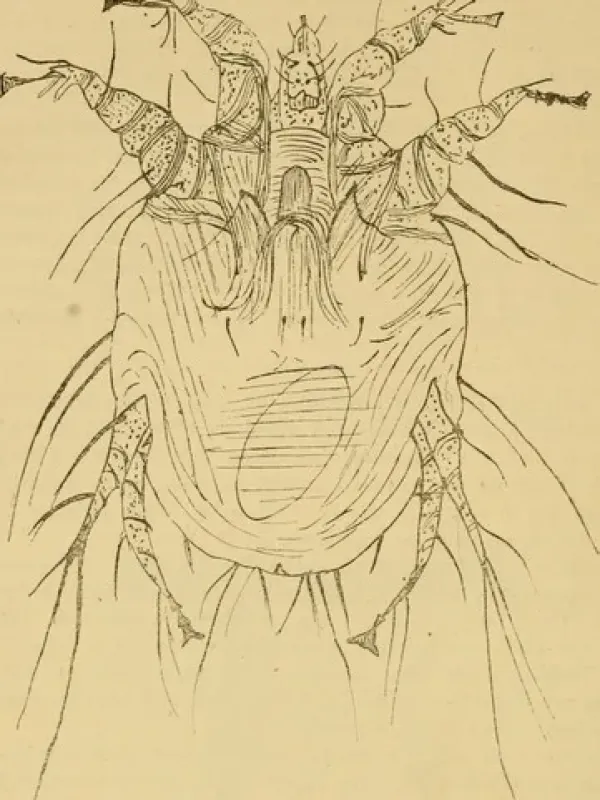
Description
How to identify
The horse mange mite (Psoroptes equi) is a microscopic ectoparasite belonging to the order Acariformes and the family Psoroptidae. These mites are adapted to live on the skin surface, where they pierce the epidermis to feed on lymphatic fluid.
Adult mites are roughly 0.5–0.8 mm in length, making them almost impossible to detect without microscopic magnification. They have an oval body shape and specialized mouthparts designed for feeding on the host's skin tissues.
The life cycle, which lasts approximately 10 to 15 days, takes place entirely on the horse. It includes egg, larva, protonymph, deutonymph, and adult stages, all of which contribute to the rapid infestation of new host areas.
Mite eggs are remarkably resistant to many environmental factors, which often leads to the persistence of infestation in stables. The ability to survive for short periods off the host necessitates rigorous environmental sanitation alongside animal treatment.
Diagnosis is confirmed by a veterinarian through deep skin scrapings examined under a microscope. This process is essential to differentiate Psoroptes equi from other mange-causing mites that may require different therapeutic approaches.
What it damages
While this mite is not an agricultural pest in the sense of crop damage, it has a significant economic impact on the equine industry. A healthy horse is a primary asset for farms relying on livestock or equine services.
The irritation caused by the mites leads to intense itching, causing affected horses to rub continuously against stables and fences. This behavior results in structural damage to the farm environment and poses a risk to other animals.
Infestation severely impacts the animal's physical condition, leading to weight loss and reduced performance. The constant scratching can cause secondary bacterial infections, complicating the recovery process and increasing treatment costs.
Economic losses arise from the necessity of veterinary intervention, medication, and the temporary loss of the animal's labor capacity. Furthermore, official restrictions on animal movement from infested premises can disrupt farm operations.
Preventing the spread of infestation is crucial for the financial health of the farm. High-density housing environments allow the mite to spread rapidly, potentially necessitating the treatment of an entire herd, which is a resource-intensive process.
When it appears
The mite's activity is year-round, but clinical symptoms are most prominent during the colder months. Increased hair growth during winter provides an ideal microclimate for the mite to thrive and multiply rapidly.
Indoor housing during the winter season creates a stable, humid environment that favors mite proliferation. Without proper ventilation and hygiene, the density of the mite population can reach critical levels within a stable.
Spring and autumn periods are transition times when grooming and routine veterinary check-ups are essential. Changes in the animal's coat and humidity levels can influence the mite's reproductive cycles throughout these periods.
Summer heat and direct sunlight can limit the mite's survival on the surface of the skin, but they do not eliminate the infestation. The parasite often survives in sheltered areas of the horse's body, waiting for more favorable conditions.
Outbreaks are frequently cyclical and correlate with housing management practices. Poorly managed winter housing is the most significant factor contributing to the spread of Psoroptes equi within the equine population.
Signs of infestation
Initial signs of infestation include restlessness and persistent itching. Horses frequently rub against stalls or equipment, causing the fur to become matted and the skin to show early signs of inflammation.
As the infestation progresses, small papules filled with exudate appear on the skin. These lesions eventually crust over, leading to the thickening and wrinkling of the skin, which is a classic clinical manifestation of psoroptic mange.
Hair loss, or alopecia, is a visible indicator of mite activity. The mane, base of the tail, and back are the most frequently affected areas due to the thicker coat providing better protection for the mites.
A distinctive, unpleasant odor often emanates from the skin of severely infested horses. This is caused by the accumulation of dried exudate and dead tissues that serve as a breeding ground for both mites and bacteria.
Advanced cases may lead to extreme skin damage, including deep cracks and potential necrosis. If left untreated, the general health of the horse deteriorates, leading to anemia and significant physical weakness.
Control measures
Control relies heavily on the application of effective acaricides. Treatments should be administered systematically, ensuring full coverage of the animal’s body to reach mites living deep within the skin layers.
Environmental sanitation is critical. Stables and equipment must be disinfected regularly using approved chemical solutions to eliminate mites that may be lingering on grooming tools or in the housing structure.
Strict quarantine protocols for all new horses are essential to prevent the introduction of mites into the stable. A mandatory observation period and preventative treatment help maintain the biosecurity of the entire farm.
Maintaining high standards of stable hygiene, including the regular washing of blankets and grooming kits, significantly reduces the risk of cross-contamination. Each animal should ideally have its own dedicated grooming supplies.
Good nutritional management and vitamin supplementation support the horse’s immune system, aiding in quicker recovery from the infestation. A strong immune response is vital for the effective healing of the skin following successful mite elimination.
Taxonomy
- Latin name
- Psoroptes equi
- Order
- Mites
- Family
- Psoroptidae
- EPPO code
- PSOREQ
Discussion
No discussions yet — be the first.