
Otodectes
Otodectes
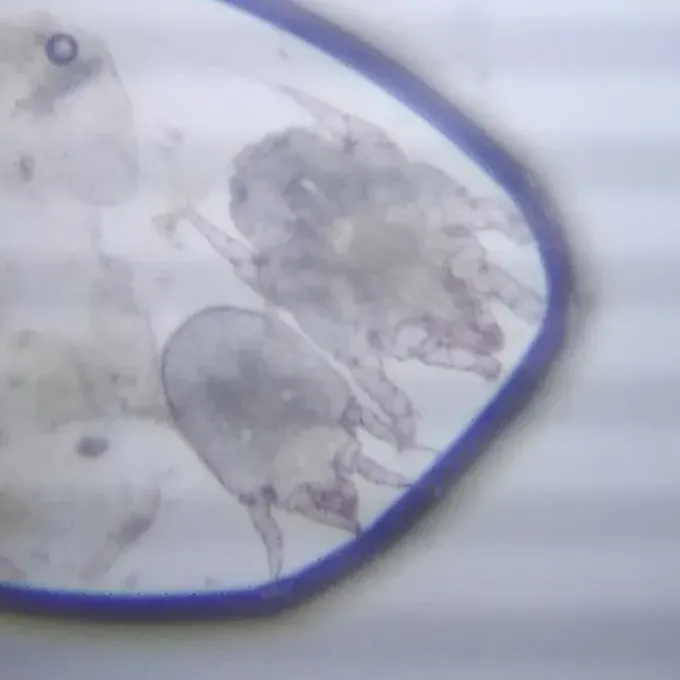
Description
How to identify
It is critical to note that Otodectes cynotis, commonly known as the ear mite, is an obligate parasite of carnivores, belonging to the order Sarcoptiformes and family Psoroptidae.
This microscopic mite resides exclusively in the ear canals of animals like cats and dogs and does not interact with botanical species in any way.
The organism is not a phytophage; it does not feed on plant sap, tissues, or debris, making it irrelevant to agricultural pest management.
In terms of identification, it is a very small arachnid that thrives in the warm, humid conditions of an animal's ear, which is biologically distinct from any plant environment.
Professional agronomists and researchers classify this organism strictly within the scope of veterinary science, never within the study of crop protection.
What it damages
The ear mite causes zero damage to plants; it is physically and biologically incapable of utilizing plants as a host or food source.
Confusion often arises due to the broad use of the term 'mite,' but agricultural specialists focus on entirely different families such as Tetranychidae.
There are no recorded instances in agronomy of Otodectes affecting crops, vegetable gardens, or indoor ornamental plants.
Any symptoms such as chlorosis, necrosis, or deformation on crops should be attributed to actual plant pests like spider mites or eriophyid mites.
Treating this mite as a threat to plants is a factual error that distracts from genuine agronomic challenges and crop health monitoring.
Control measures
Since Otodectes cynotis is not a plant pest, there are no control measures, chemical applications, or agronomic practices required for this species.
To protect crops from actual mite infestations, producers should rely on established integrated pest management (IPM) strategies for agriculture.
Effective control for plant-feeding mites typically involves the use of specific acaricides and maintaining optimal plant health to enhance resistance.
If you suspect an infestation, consult an agronomist or entomologist to identify the specific pathogen, as veterinary medicine is not relevant here.
Ensuring correct pest identification is the first step in successful crop protection, preventing the waste of resources on ineffective or unnecessary treatments.
Taxonomy
- Latin name
- Otodectes
- Order
- Mites
- Family
- Psoroptidae
- EPPO code
- OTODSP
Discussion
No discussions yet — be the first.