
Ear mite
Otodectes cynotis
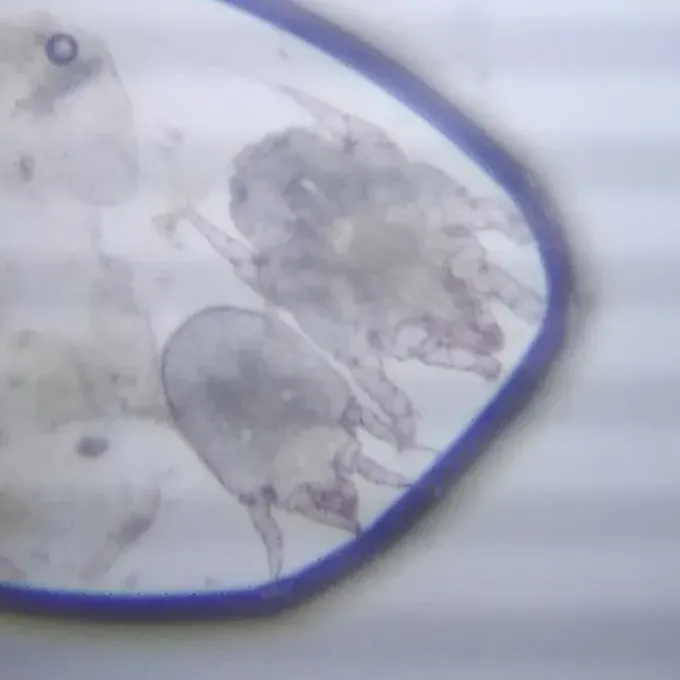
Description
How to identify
The ear mite (Otodectes cynotis) is a microscopic arachnid from the family Psoroptidae, order Acariformes. Adult mites are approximately 0.3 to 0.5 mm in length and reside in the ear canals of mammals.
The lifecycle of the ear mite consists of five stages: egg, larva, protonymph, deutonymph, and adult. This cycle typically lasts around three weeks, during which the mite feeds on epidermal debris and tissue fluids.
As an obligate parasite, Otodectes cynotis requires a warm-blooded host to survive and reproduce. It is strictly an animal health issue and does not interact with botanical species or agricultural crops.
Identification is performed by examining ear swabs under a microscope to confirm the presence of mites or their eggs within the dark exudate typical of an infestation.
It is important to distinguish this species from plant-feeding mites (such as spider mites) to avoid misapplication of agricultural pesticides which are ineffective and potentially toxic to animals.
What it damages
The primary damage caused by ear mites is the development of otoacariasis in dogs, cats, and fur-bearing animals. This condition causes significant discomfort to the host.
Agricultural productivity can be impacted if breeding stock, such as rabbits or foxes, suffers from severe infestations leading to poor health and secondary infections.
There is absolutely no damage to plants, as the physiological requirements of the ear mite are strictly confined to the biological environment of animal ear canals.
The economic impact is concentrated in the veterinary sector, covering diagnostic services, acaricidal treatments, and long-term facility sanitation.
Misidentifying this mite as a plant pest could lead to an improper and wasteful application of crop protection chemicals.
Signs of infestation
A frequent symptom is persistent ear scratching and head shaking, as the animal attempts to relieve the intense irritation caused by the mites.
Physical examination reveals the presence of dry, dark-brown or black discharge inside the ear canal, often described as having the appearance of coffee grounds.
Inflammation of the outer ear canal (otitis externa) is a common clinical outcome, often resulting in swelling and redness of the tissues.
A foul odor emanating from the ears is frequently observed, indicating that bacterial or yeast infections have complicated the original mite infestation.
In chronic cases, animals may develop hematomas on the ear flaps (pinnae) due to trauma from constant shaking or scratching.
Control measures
Control focuses on the application of FDA-approved or veterinary-prescribed acaricides designed for ear use, usually in the form of drops or topical treatments.
Environmental sanitation is critical; all bedding, kennels, and grooming tools used on infested animals should be thoroughly cleaned and disinfected.
Routine physical examination of animals within a herd or household helps in early detection and prevents the spread of mites to healthy individuals.
Professional cleaning of the ear canal by a veterinarian ensures that the medication reaches the site of infestation effectively.
Strict quarantine protocols for new or introduced animals serve as the primary defensive strategy to maintain a mite-free environment in animal facilities.
Taxonomy
- Latin name
- Otodectes cynotis
- Order
- Mites
- Family
- Psoroptidae
- EPPO code
- OTODCY
Discussion
No discussions yet — be the first.