
Pseudovespula
Pseudovespula
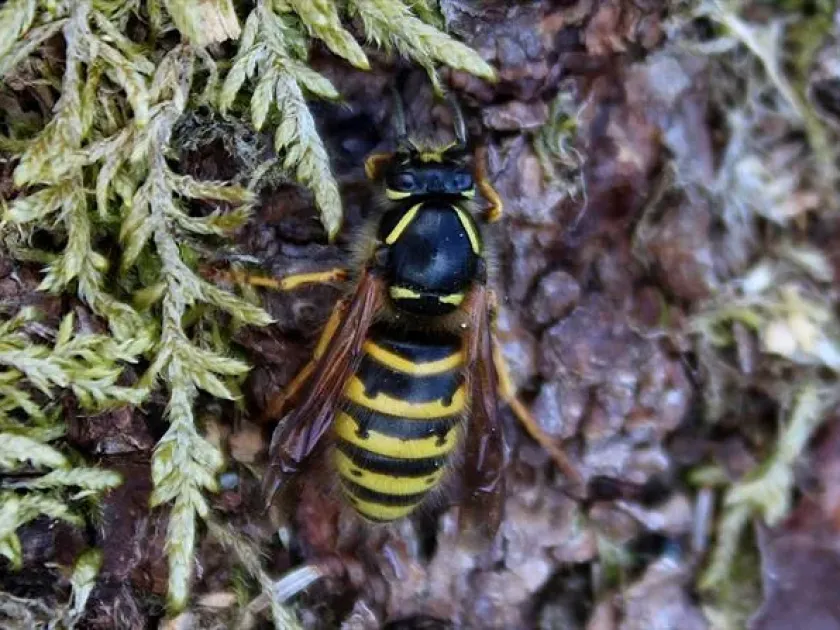
Description
How to identify
The genus Pseudovespula belongs to the Vespidae family, order Hymenoptera. These social insects possess distinct morphological features that differentiate them from other wasp species in agricultural landscapes.
Adults typically exhibit a classic yellow-and-black warning coloration. Precise identification requires examining the wing venation patterns and the structure of the mandibles under magnification.
The life cycle follows complete metamorphosis, including egg, larval, pupal, and adult stages. They live in colonies, often establishing nests in soil cavities or sheltered spots near cultivated fields.
Agronomists generally monitor for their presence by identifying active flight paths and locating nesting sites that exhibit high traffic during the warmer parts of the day.
Understanding their social structure is vital for management, as the colony's growth directly correlates with the severity of damage observed in the orchard or vineyard.
What it damages
This pest primarily impacts fruit and berry crops, especially during the maturation phase when fruits are rich in sugars and high in water content.
Commonly affected crops include grapes, peaches, apricots, and plums. The pests feed on the pulp by chewing through the skin, leaving the fruits open to further decay.
Damage to the fruit epidermis not only ruins the aesthetic quality but also creates entry points for various fungal pathogens, such as grey mold, significantly reducing harvest yield.
Because they feed in groups, even a single active colony can cause substantial economic losses within a specific area of a vineyard or fruit orchard.
The presence of these insects also attracts secondary pests that feed on the exudates released from the damaged fruit, creating a complex cycle of plant damage.
When it appears
Activity commences in the spring when overwintering queens emerge to establish new colonies and raise the first generations of worker wasps.
The period of peak harmfulness coincides with the fruit ripening season, typically from mid-summer through early autumn, as the colony reaches its maximum size.
Weather patterns heavily influence population dynamics: warm, dry summers promote rapid colony expansion, while cool or excessively wet periods may limit their activity.
In autumn, workers become more aggressive in their foraging behavior, searching for easily accessible energy sources like overripe fruits before the end of the season.
Management efforts are most effective when started early in the season, targeting queens before they can successfully initiate new nesting sites on the property.
Signs of infestation
The most prominent sign is the presence of chewed-out areas on fruits, often with uneven edges that may begin to ferment or rot as the tissues die.
Observation of foraging activity is a key diagnostic step; tracing flight patterns back to the nest can help identify the exact location of the infestation source.
High concentrations of insects on fallen, decaying fruit on the ground are reliable indicators that the population is actively utilizing the orchard as a food source.
- Deep, ragged holes in the fruit skin.
- Visible nests or high activity near soil openings.
- An audible buzzing sound near clusters of ripening fruit.
- Increased incidence of fungal rot originating from insect wounds.
Careful inspection of the soil near host plants often reveals small holes or entrances that serve as the main access points to the underground colonies.
Control measures
Integrated management is essential, focusing on physical and cultural methods, as chemical control on maturing fruits is restricted due to food safety regulations.
Orchard hygiene, specifically the regular removal and proper disposal of fallen or damaged fruit, is critical to reduce the attraction of foraging insects.
The deployment of bait traps containing fermented sugary substances can help capture large numbers of worker wasps, thereby reducing the pressure on ripening crops.
If a nest is located on-site, careful removal or localized treatment in the evening hours, when the colony is less active, can significantly decrease the pest population.
Protective netting for vines and trees is considered the most effective and eco-friendly method for preventing direct damage to the fruit while maintaining production standards.
Taxonomy
- Latin name
- Pseudovespula
- Order
- Hymenoptera
- Family
- Vespidae
- EPPO code
- PSEVSP
Discussion
No discussions yet — be the first.