
Pseudocoremia suavis
Pseudocoremia suavis
Description
How to identify
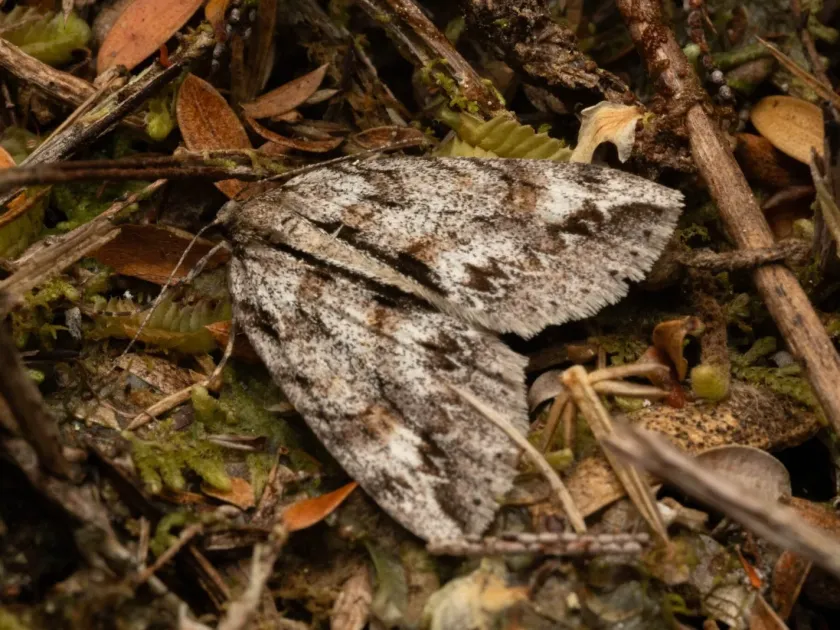
Pseudocoremia suavis is a moth species belonging to the Geometridae family. Commonly known as a defoliator, the adult moth is characterized by cryptic coloration that mimics bark or dead foliage, aiding in its survival within forest environments.
The larval stage, or caterpillar, is the period during which the insect causes the most damage. These larvae undergo several instars, significantly increasing in size and food consumption as they progress toward pupation.
Taxonomically, the species is part of the order Lepidoptera. Their life cycle typically involves complete metamorphosis, allowing them to adapt efficiently to the environmental conditions of their native range in New Zealand and potentially other similar climates.
Morphologically, the moths possess patterns on their wings that vary, providing excellent camouflage against tree branches. This makes them difficult to spot during daylight hours, as they remain motionless on the host plant or surrounding vegetation.
Reproduction involves laying eggs on the host plant, often on the needles or leaves. This placement is crucial, ensuring that newly hatched larvae have immediate access to nutrients, which is vital for their survival and successful development into later stages.
What it damages
The primary damage is caused by the caterpillars, which feed on the foliage of conifers and several broad-leaved plant species. Heavy infestations can lead to significant defoliation of trees, particularly in managed plantations.
In addition to physical tissue loss, the feeding activity weakens the overall physiological state of the tree. This reduction in leaf area hinders photosynthesis, making the tree less resilient to environmental stressors like drought or disease.
Severe outbreaks often result in a significant loss of annual growth. For forestry businesses, this represents a major economic risk, as the timber quality and growth rates are negatively impacted by sustained insect pressure.
Trees severely defoliated by Pseudocoremia suavis become more susceptible to secondary infestations, including wood-boring insects and fungal pathogens that capitalize on the weakened condition of the host.
The extent of the damage varies depending on the population density of the larvae. Monitoring systems are essential to track the spread and intensity of the pest to prevent catastrophic losses in productive forest stands.
When it appears
The seasonal activity of Pseudocoremia suavis is highly dependent on local climate and temperature. Adults typically emerge from their pupal stage during warmer months to mate and lay eggs for the next generation.
Pupation usually occurs in the soil or under leaf litter, providing a layer of protection against harsh conditions during the colder seasons. This dormancy allows the species to survive winter and restart the cycle when conditions improve.
Larval feeding peaks during the summer, coinciding with the active growth period of the host trees. This is when the impact of the pest is most visible and when monitoring efforts are most productive for forestry managers.
The number of generations per year can vary by latitude. In warmer regions, there may be multiple generations, whereas cooler areas may limit the population to a single generation, which dictates the timing of management interventions.
As temperatures drop, the population shifts into a dormant state. Understanding these seasonal triggers is vital for planning forest management activities and ensuring that control measures are applied at the most effective time.
Signs of infestation
Early signs of an infestation include the appearance of small, granular droppings on the foliage or the forest floor beneath infected trees. This is often the first visible indicator that larvae are present in the canopy.
Foliage damage is characterized by irregular notches or complete consumption of needles. In some cases, the presence of silk threads woven between branches indicates the presence of larvae nesting or moving between food sources.
A noticeable thinning of the canopy is a key indicator of high population density. When observed from the ground, the foliage may look ragged or sparse, especially in the upper and middle portions of the tree crowns.
- Ragged edges on pine needles and leaves.
- Visible accumulation of insect frass (excrement) on lower branches.
- Presence of fine silk webs on twigs.
- Increased bird activity in the canopy as they prey on the caterpillars.
Consistent monitoring of tree health is important. If needles start turning yellow or brown and dropping prematurely, it suggests that the population of the pest has reached a stage where immediate action is required.
Control measures
Effective control of Pseudocoremia suavis relies on an integrated pest management approach. Preserving natural enemies, such as parasitic wasps and predatory birds, is fundamental to keeping populations at tolerable levels.
Biological control agents, specifically those targeting lepidopteran larvae, provide a safe and targeted solution. These methods minimize ecological disruption while effectively reducing the number of caterpillars damaging the foliage.
Chemical control, such as using selective insecticides, should be reserved for cases of extreme infestation where tree survival is at risk. Applications must be timed precisely to target the susceptible larval stages of the moth.
Silvicultural practices, including maintaining a mix of species and ensuring tree vigor, help create a more resilient forest environment. Healthy trees are better equipped to tolerate low-level defoliation without suffering major growth setbacks.
Pheromone traps serve as an essential tool for monitoring adult moth populations. By identifying the timing of adult emergence, forest managers can predict peak larval activity and implement control measures before significant foliage damage occurs.
Taxonomy
- Latin name
- Pseudocoremia suavis
- Order
- Lepidoptera (butterflies)
- Family
- Geometridae
- EPPO code
- PSCOSU
Discussion
No discussions yet — be the first.