
Pseudocoremia
Pseudocoremia
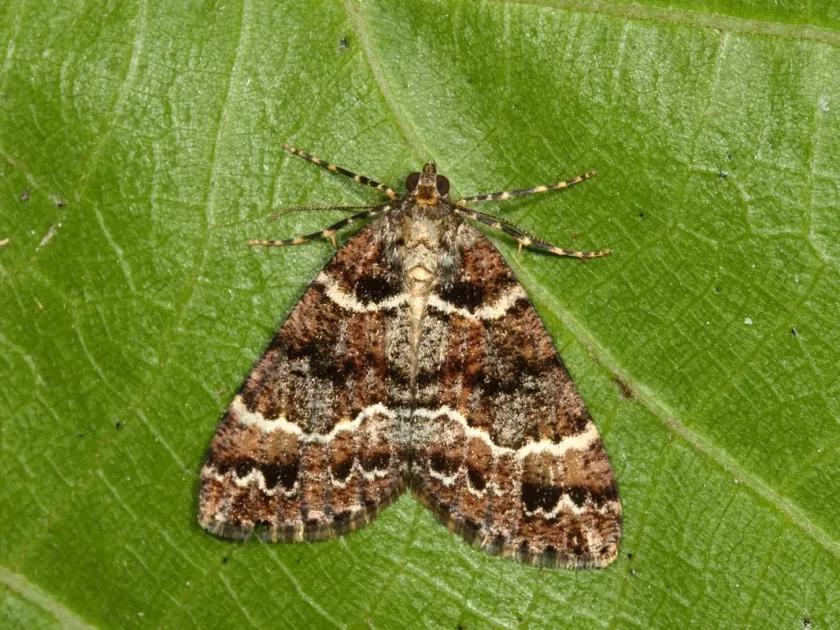
Description
How to identify
Pseudocoremia is a genus of moths belonging to the family Geometridae. These insects are commonly known for their larvae, which are significant pests of trees and various woody plants.
Adult moths possess excellent camouflage, mimicking the color and texture of tree bark. This cryptic coloration makes them virtually invisible to avian predators during the daytime hours.
The larvae are classic loopers, characterized by a distinct movement pattern due to the reduced number of abdominal prolegs, which forces them to arch their bodies as they crawl.
Larval coloration typically ranges from green to brown, providing a highly effective disguise against foliage and twigs, which makes them difficult for growers to spot during inspections.
The life cycle involves complete metamorphosis, consisting of the egg, larval (caterpillar), pupal, and adult stages. The duration of these stages is highly dependent on ambient temperatures.
What it damages
This pest primarily attacks fruit trees, such as apples and pears, as well as various ornamental and native forest trees, causing substantial damage to the plant's photosynthetic capacity.
The caterpillars are foliage feeders that consume leaf tissues. Initially, they create small holes, but in cases of high population density, they can defoliate entire branches.
Severe defoliation weakens the trees significantly, reducing their vigor and ability to store reserves, which in turn leads to poor fruit set and reduced yields in the following season.
Stressed trees subjected to persistent feeding by Pseudocoremia become more susceptible to secondary infections, fungal diseases, and other wood-boring pests.
In addition to foliage loss, the larvae may feed on young shoots, leading to growth stunting and deformed development of the plant structure.
When it appears
The activity of these pests is concentrated in the warmer months, with adult emergence and egg-laying typically occurring during the spring and early summer periods.
Larval hatching coincides with the flush of fresh green growth on trees, providing the young caterpillars with the nutrient-rich food source required for rapid development.
Mid-summer is usually the peak period for larval feeding, as the caterpillars need to accumulate sufficient energy reserves to complete their transition into the pupal stage.
Depending on the local climate, the species may produce one or more generations per year, necessitating consistent monitoring throughout the entire growing season.
The pupal stage is the primary overwintering phase, occurring either in the soil or in sheltered crevices on the bark, where they are protected from winter cold.
Signs of infestation
The earliest signs of infestation are irregular holes or ragged edges on the leaves, which expand as the caterpillars increase in size during their development.
Finding the caterpillars themselves is a definitive sign of infection; they often remain motionless during the day, mimicking the appearance of small twigs to avoid detection.
The presence of frass (caterpillar droppings) on the leaves or the ground beneath the canopy indicates that a population is actively feeding in the upper tree branches.
Premature yellowing or shedding of leaves, which cannot be attributed to drought or disease, is a common indicator of significant insect grazing pressure.
- Silken threads found on leaves where larvae have been active.
- Leaves skeletonized, with only major veins remaining.
- Visible stunted tips on new shoots due to apical leaf damage.
Control measures
Good horticultural practices, including proper sanitation and the removal of heavily infested branches, help to manage and reduce the pest population naturally.
Biological control using microbial insecticides based on Bacillus thuringiensis is highly effective against the larval stages while remaining safe for beneficial insects.
Chemical control may be necessary in high-density outbreaks, utilizing targeted insecticides applied at the correct developmental stage to maximize efficacy while minimizing off-target impact.
Pheromone traps are essential tools for monitoring adult moth populations, allowing growers to time their intervention strategies effectively before egg-laying occurs.
Promoting a healthy environment for natural predators, such as birds and predatory wasps, provides a sustainable long-term solution for managing Pseudocoremia numbers in the garden.
Taxonomy
- Latin name
- Pseudocoremia
- Order
- Lepidoptera (butterflies)
- Family
- Geometridae
- EPPO code
- PSCOSP
Discussion
No discussions yet — be the first.