
Pseudacysta
Pseudacysta
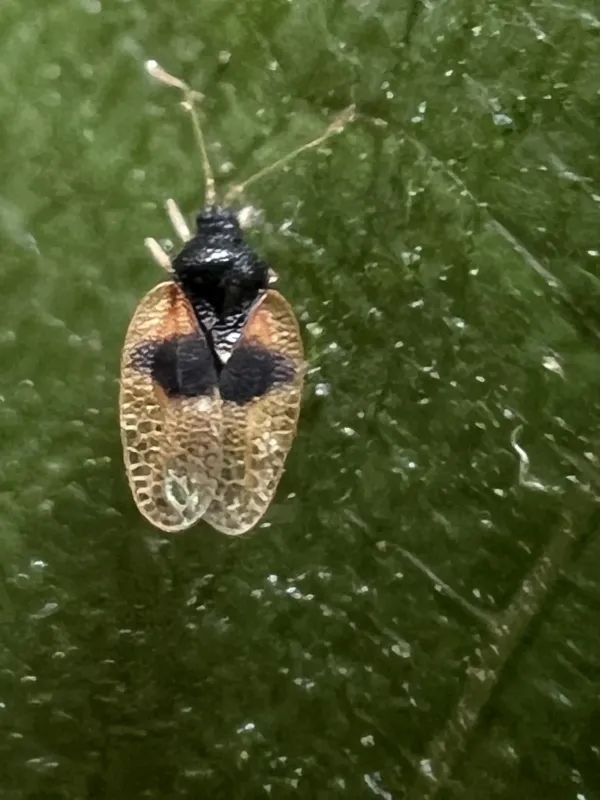
Description
How to identify
Pseudacysta is a genus of insects belonging to the Tingidae family, commonly known as lace bugs. They are named for the intricate, reticulated (net-like) patterns found on their wings, which resemble fine lace when viewed under magnification.
These pests are typically small and flattened, possessing a cryptic coloration that allows them to blend seamlessly with the foliage of their host plants, making them difficult to detect without careful inspection.
They utilize specialized piercing-sucking mouthparts to penetrate plant tissues. Their life cycle consists of egg, nymphal stages, and adult, with nymphs often resembling miniature, wingless versions of the adults.
Eggs are typically deposited in clusters on the underside of leaves, often embedded near the primary veins, which provides the developing larvae with immediate access to nutrition upon hatching.
In warm climates, Pseudacysta can complete multiple generations within a single season. This rapid reproductive capability can lead to sudden population explosions if environmental conditions remain favorable.
What it damages
Pseudacysta primarily affects various ornamental plants, shrubs, and specific agricultural crops. They show a strong preference for plants with succulent leaves, as the cell sap provides essential nutrients for their development.
The primary damage is caused by the extraction of cellular contents from the leaves. This feeding process depletes the plant's resources and disrupts photosynthesis, which is critical for the plant's overall growth and development.
Affected leaves often develop chlorotic spots—small yellow or white patches that mark the areas where the bugs have pierced the tissue. Over time, these spots can coalesce, leading to widespread discoloration of the foliage.
Beyond direct feeding damage, the insects excrete a sticky, dark substance on the underside of leaves. This waste product often serves as a substrate for sooty mold, which can further impede plant health by blocking light and hindering gas exchange.
Severe infestations frequently result in premature leaf drop, stunted growth, and a significant reduction in the plant's aesthetic value. In extreme cases, the plant may become overly stressed, making it susceptible to secondary infections or environmental damage.
Signs of infestation
The earliest symptom of an infestation is the appearance of tiny, light-colored stippling or bleaching on the upper surface of the leaves. This is the visual result of the insect's piercing-sucking feeding activity on the underside.
If you inspect the underside of the leaves, you will likely find the bugs themselves. Their presence is often accompanied by dark, shiny, varnish-like excrement spots that are a hallmark of lace bug activity.
The presence of cast-off skins (exuviae) left behind by nymphs after molting is another clear indicator of an active population inhabiting the plant foliage.
As the damage progresses, the leaves may curl, turn yellow, and eventually become necrotic. This "bronzing" or silvering effect is a common sign of long-term feeding stress on susceptible plant species.
Early-season wilting or a general lack of vigor in young shoots can also signal that a population of Pseudacysta is present, even before the characteristic lace-like patterns or leaf discoloration become highly prominent.
Control measures
Effective management begins with routine monitoring of vulnerable plants. Paying close attention to the undersides of leaves during the growing season allows for early detection before the population reaches damaging levels.
Cultural control practices include the removal and destruction of heavily infested plant parts. This significantly reduces the immediate population density and prevents the spread of the pest to adjacent healthy plants.
Biological control can be highly effective, as these bugs have several natural predators, including lacewings, lady beetles, and predatory hemipterans. Encouraging these beneficial insects in your garden can naturally suppress Pseudacysta numbers.
For chemical intervention, systemic insecticides are generally the most effective choice. These products are absorbed by the plant and provide long-lasting control against sucking insects that feed on the sap.
- Maintain plant health through appropriate irrigation and soil management to increase resilience.
- Ensure adequate spacing between plants to improve airflow and reduce micro-habitats for the pests.
- Apply insecticides thoroughly, specifically targeting the undersides of the leaves where the bugs reside.
- Clean up leaf litter in the fall to remove potential overwintering sites for adult bugs.
Taxonomy
- Latin name
- Pseudacysta
- Order
- Hemiptera (bugs, aphids, leafhoppers)
- Family
- Tingidae
- EPPO code
- PSEYSP
Discussion
No discussions yet — be the first.