
Prophysaon slug
Prophysaon
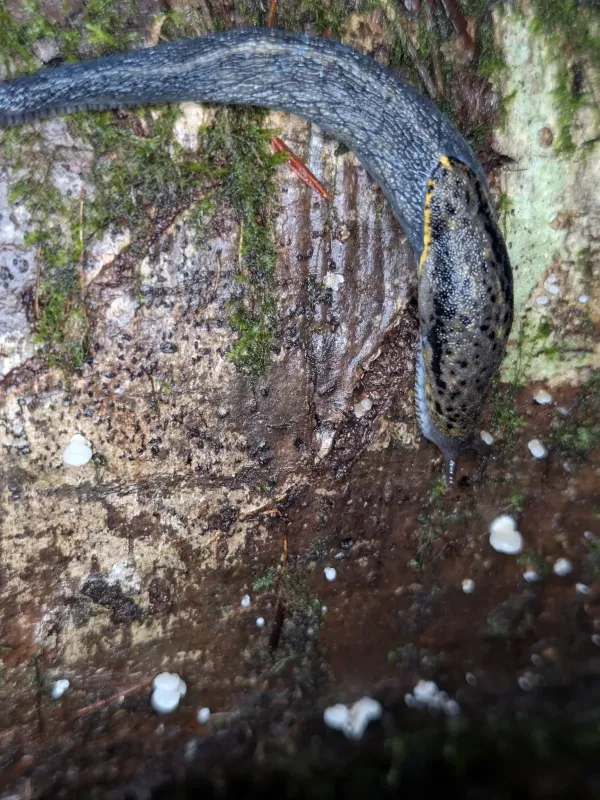
Description
How to identify
Slugs of the genus Prophysaon belong to the Arionidae family. These terrestrial mollusks are characterized by an elongated body that can reach lengths of 4 to 8 centimeters in adult specimens.
One of the most notable features of this genus is their ability to perform autotomy, which involves shedding a portion of their tail when threatened by predators. This unique biological defense mechanism allows them to escape while leaving a decoy behind.
The coloration of Prophysaon slugs ranges from cream and yellow to dark brown, often featuring darker lateral bands along their body. The breathing pore, or pneumostome, is located on the right side of the mantle.
These slugs prefer moist environments, such as leaf litter and forest floors, but they can easily colonize agricultural settings if sufficient humidity and food sources are available.
As nocturnal animals, they remain hidden during the day in cool, damp spots and emerge at night to feed on a wide variety of plant tissues.
What it damages
These pests pose a significant threat to many horticultural crops, including vegetables, fruits, and decorative plants. They are particularly destructive to young, tender seedlings that lack tough defenses.
Commonly attacked plants include lettuce, cabbage, strawberries, and various hostas. The slugs feed by using their radula to rasp away tissue, which can completely strip leaves and damage stems.
In addition to foliage damage, they can feed on fruits near the soil surface, creating deep pits and holes. This renders the produce unsalable and often leads to secondary infections like fungal rots.
Heavy infestations can lead to stunted growth or even the total loss of young plantings, especially in environments like greenhouses where the climate is constantly ideal for slug proliferation.
By consuming roots or stems, they can also cause plants to wilt and die, significantly impacting the productivity of the entire garden area.
When it appears
The activity period for these slugs usually begins in early spring, once soil temperatures rise and moisture levels are high enough to support their survival.
Peak activity typically occurs during wet spring and autumn months. Frequent rains facilitate their movement and foraging, leading to increased reports of damage during these times.
During hot and dry summer months, their activity decreases significantly as they seek refuge in deeper soil crevices or under dense vegetation to avoid desiccation.
Autumn marks a secondary peak in activity, as slugs feed actively to store energy for the coming winter and engage in egg-laying processes in sheltered areas.
They overwinter as eggs buried in the soil or as juvenile and adult slugs tucked deep within protected habitats such as mulch, debris, or underground tunnels.
Signs of infestation
The most reliable indicator of a Prophysaon slug presence is the trail of dried, silvery mucus left behind on plant leaves, stems, and soil surfaces.
Leaves exhibit irregular, jagged holes, often resulting from the slug scraping away tissue. These marks are distinct from the clean-cut edges caused by insects like caterpillars.
If you inspect your garden beds at night or shortly after a rain shower using a flashlight, you are likely to spot the slugs actively feeding on the plant tissue.
Damaged fruits or vegetables near the ground may show shallow to deep cavities, which are often accompanied by evidence of slime trails in the immediate vicinity.
General plant decline, yellowing, or wilting without obvious cause can also indicate that slugs have been feeding on the roots or the base of the stem.
Control measures
Controlling Prophysaon slugs requires a multi-faceted approach involving cultural, mechanical, and targeted chemical interventions to be truly effective.
Cultural control starts with sanitation: removing debris, wood piles, and tall weeds near garden beds eliminates daytime hiding spots, making the area less attractive to slugs.
Mechanical barriers, such as copper tape, sharp gravel, or abrasive substances like wood ash and crushed eggshells, can create an effective deterrent against slugs trying to reach your plants.
Trapping techniques, such as using beer traps or placing wet cardboard/boards on the ground at night, allow you to capture and remove slugs manually during the early morning hours.
Encouraging natural predators such as ground beetles, frogs, toads, and birds can also help keep slug populations in balance without the need for intensive chemical applications.
When necessary, iron phosphate-based baits provide a safe and effective control method, as they are toxic to slugs upon ingestion but generally safe for pets and other wildlife.
Taxonomy
- Latin name
- Prophysaon
- Order
- Molluscs
- Family
- Arionidae
- EPPO code
- PRPYSP
Discussion
No discussions yet — be the first.