
Arion slug
Arion
Description
How to identify
The Arion genus of slugs, belonging to the Arionidae family, includes several species of terrestrial gastropods that are serious agricultural pests.
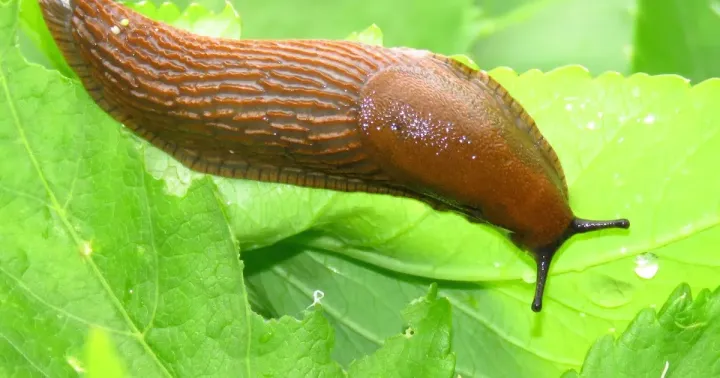
These slugs lack a shell and their bodies are covered in a thick layer of mucus, which protects them from dehydration and facilitates movement.
Species within the Arion genus vary significantly in color, ranging from grey, brown, and black to bright orange, making visual identification challenging.
A key diagnostic feature is the respiratory pore (pneumostome) located on the right side of the mantle, which is essential for distinguishing them from other species.
They are hermaphroditic and highly prolific, laying eggs in damp soil, under debris, or within dense vegetation to ensure the survival of their offspring.
What it damages
Arion slugs are polyphagous, feeding on a vast array of crops including lettuce, cabbage, strawberries, potatoes, carrots, and cereal seedlings.
They damage plants by rasping leaves, stems, and roots, often leading to the complete destruction of young plants during the early growth stages.
Root crops are particularly susceptible, as slugs often tunnel into tubers and taproots, causing significant aesthetic and structural damage.
By consuming foliage, they reduce the photosynthetic capacity of plants, which weakens the host and stunts its overall growth and development.
The accumulation of mucus and excrement on harvested produce renders it unmarketable and susceptible to rot-inducing pathogens.
When it appears
The activity level of Arion slugs is highly dependent on environmental moisture; they thrive in humid conditions and rainy seasons.
During the spring, as temperatures rise, the overwintered eggs hatch and adults emerge to feed on fresh, succulent plant tissue.
The highest levels of damage typically occur in late summer and autumn when population numbers reach their seasonal peak during wetter months.
These slugs are primarily nocturnal, spending the daylight hours in cool, damp refuges like under stones, wood, or within dense mulch layers.
Prolonged dry, hot spells significantly reduce their activity, though irrigation and mulching can artificially extend their favorable habitat window.
Signs of infestation
The most common sign of infestation is the presence of irregular, ragged holes in the leaves of susceptible vegetable and ornamental plants.
Silvery, dried-out slime trails on soil surfaces, leaves, or stems provide clear evidence of slug movement throughout the infested area.
Damaged berries and vegetables often exhibit scooped-out cavities with uneven margins, which are characteristic of their specialized rasping mouthparts.
Observing the slugs themselves, usually concentrated around dense vegetation or moist debris in the evening, is a definitive indicator of infestation.
Unexpected plant wilting or sudden loss of emerging seedlings indicates that these pests are likely present and actively feeding in the vicinity.
Control measures
Cultural control measures include maintaining clean cultivation, frequent weeding, and removing debris that provides shelter for these gastropods.
Physical barriers such as wood ash, crushed eggshells, or copper tape can be used to prevent slugs from reaching vulnerable garden beds.
Trapping techniques, such as using containers filled with yeast solutions or beer, prove effective for local population suppression without chemicals.
In cases of severe infestation, molluscicides containing iron phosphate are recommended as they are safer for the environment and domestic pets.
Promoting a biodiverse environment that supports natural predators like hedgehogs, frogs, and ground beetles is essential for long-term management.
Taxonomy
- Latin name
- Arion
- Order
- Molluscs
- Family
- Arionidae
- EPPO code
- ARIOSP
Discussion
No discussions yet — be the first.